






COMPILED BY MOHAMMAD TARIQUE SALEEM
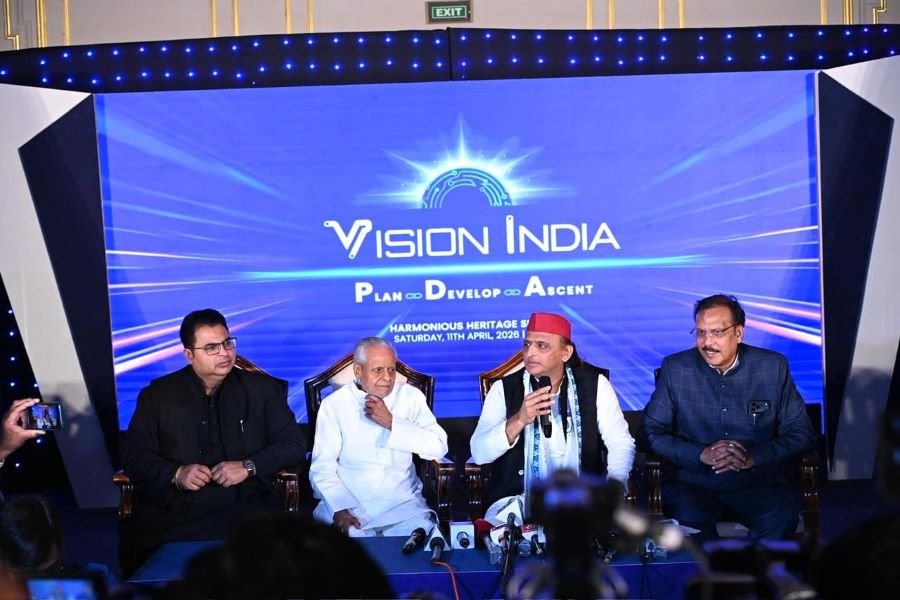
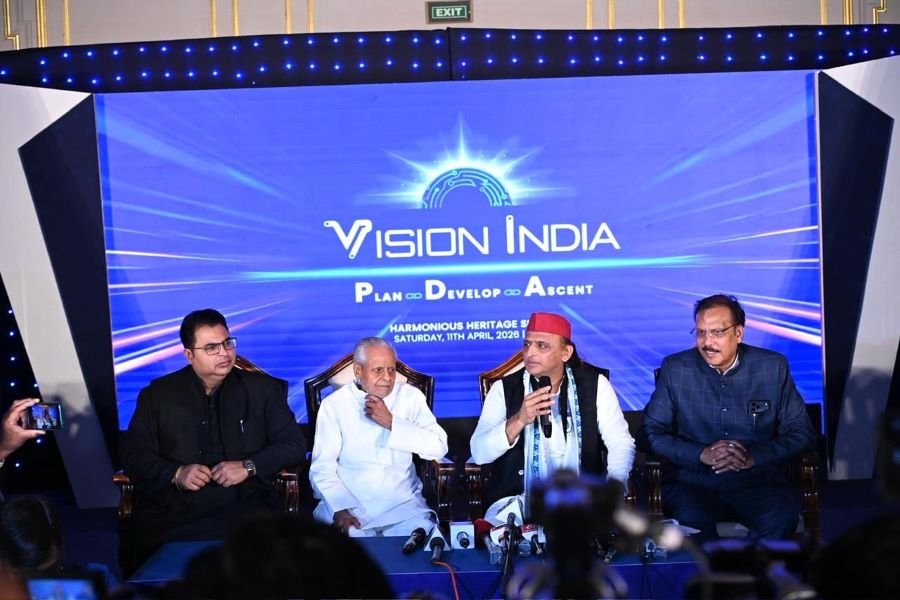
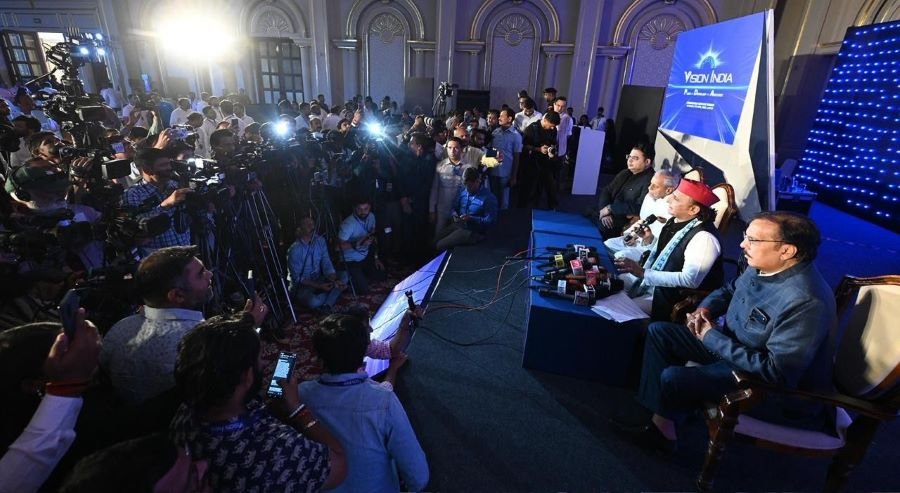
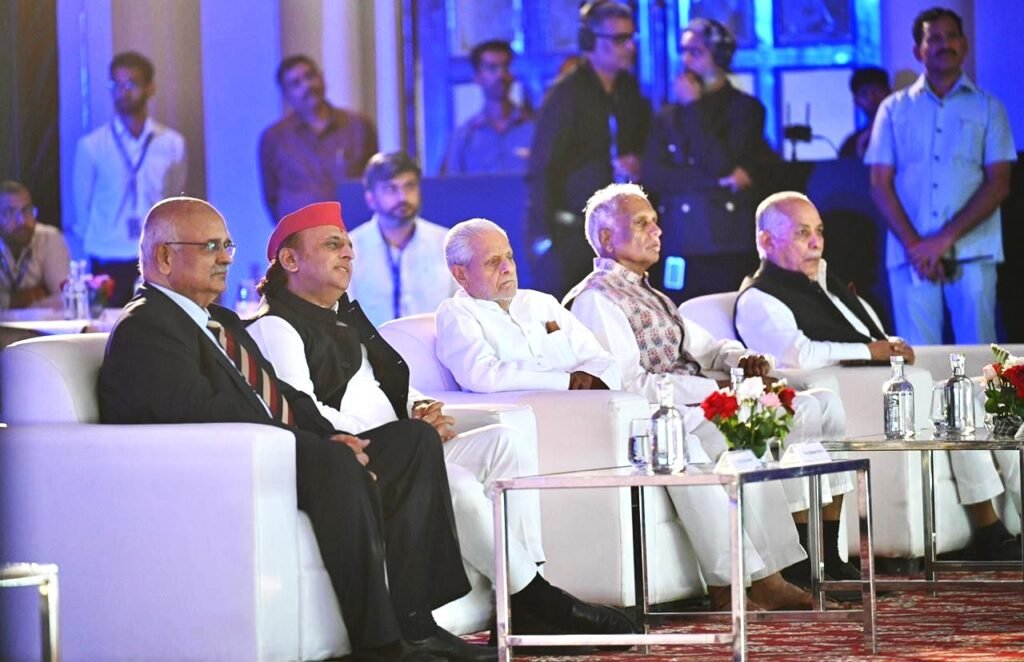
At the Harmonious Heritage Summit held in Jaipur under the Vision India program, Akhilesh Yadav delivered a message that blended culture, development, and social harmony into a unified vision for the country. As the chief guest, he emphasized that heritage is not just about preserving monuments but about nurturing the spirit of unity, peace, and shared identity that defines India. Speaking at the summit, Akhilesh Yadav highlighted that the core message of the Vision India initiative is to promote sauhard (harmony), aman-chain (peace), and brotherhood.
According to him, development cannot take place in an environment of conflict or division. Peace and mutual respect form the foundation upon which equality, progress, and social justice can be built. When society moves forward together, he noted, the nation naturally advances as well. Referring to Jaipur as a symbol of India’s shared heritage, he described the city as more than just the “Pink City.” The color pink, he explained, represents harmony and warmth, values deeply embedded in Indian culture.
Jaipur’s architecture, which reflects a blend of Indian and Mughal influences, its historic forts, and its diverse culinary traditions all stand as testimony to a rich, composite culture. Akhilesh Yadav expressed hope that the message of unity and cultural pride emerging from Jaipur would resonate across the entire nation, fostering prosperity and happiness. Drawing from his tenure as Chief Minister of Uttar Pradesh, he outlined several initiatives undertaken by the Samajwadi Party government to preserve and promote heritage.
One of the significant steps was the establishment of the Archaeology Directorate, designed to coordinate efforts across departments for heritage conservation. He also spoke about the “Heritage Arc” project, which connected key cultural cities such as Agra, Mathura, Varanasi, and Bhadohi. These efforts were complemented by infrastructure development, beautification projects in old Lucknow, and targeted initiatives to boost tourism. He stressed that people naturally feel connected to their cultural roots, and governance should strengthen this bond.
He cited examples such as the revival of Bateshwar in Agra and improvements in cities like Lucknow and Agra. The introduction of India’s first cycle highway, promotion of eco-tourism, and organization of cultural festivals were part of a broader vision to integrate development with cultural preservation. Importantly, he noted that the private sector was also encouraged to participate in these efforts. He also underscored the importance of documenting cultural traditions. Earlier, many fairs and cultural events in Uttar Pradesh went unrecorded.
His government initiated systematic documentation, promotion, and funding of such events. Programs like the Ramayan Mela were revived, and platforms were created for artisans, weavers, and craftsmen. Initiatives such as craft villages in Lucknow, carpet markets in Bhadohi and Noida, and saree hubs in Mubarakpur provided both recognition and economic support to traditional industries. He spoke about the construction of museums, development of the Buddhist circuit, and infrastructure projects like the Kushinagar airport, which enhanced international connectivity.
Natural heritage was also given equal importance, with developments in areas like Dudhwa National Park and Pilibhit Tiger Reserve. He emphasized that heritage preservation is not limited to historical monuments but also includes ecological and cultural landscapes. He highlighted the role of technology in modern heritage conservation. Digitization of maps, documents, and libraries, along with the creation of digital platforms for artists, helped make heritage more accessible. He advocated for incorporating heritage education into school curricula, encouraging field visits, competitions, and quizzes to instill appreciation among younger generations.
He also pointed to the growing influence of social media and suggested involving influencers in promoting heritage narratives. By sharing stories rooted in the idea of Vasudhaiva Kutumbakam, the world as one family, India’s cultural richness can reach global audiences. In his concluding remarks, Akhilesh Yadav reiterated that true heritage lies in harmony and inclusivity. He affirmed that future efforts would focus on organizing large cultural events and strengthening community participation.



