


COMPILED BY SANJAY TRIPATHI
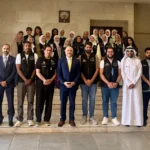
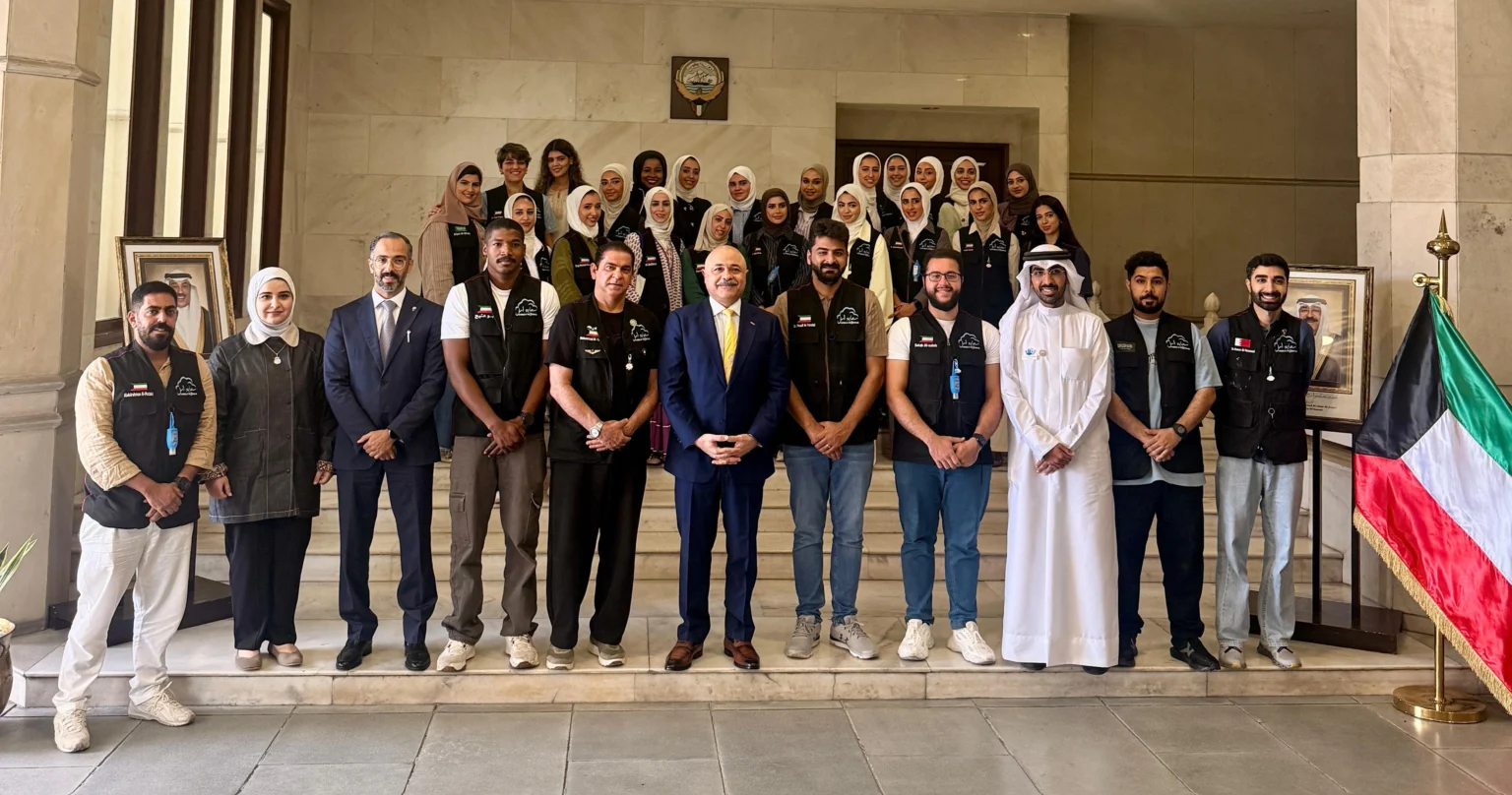
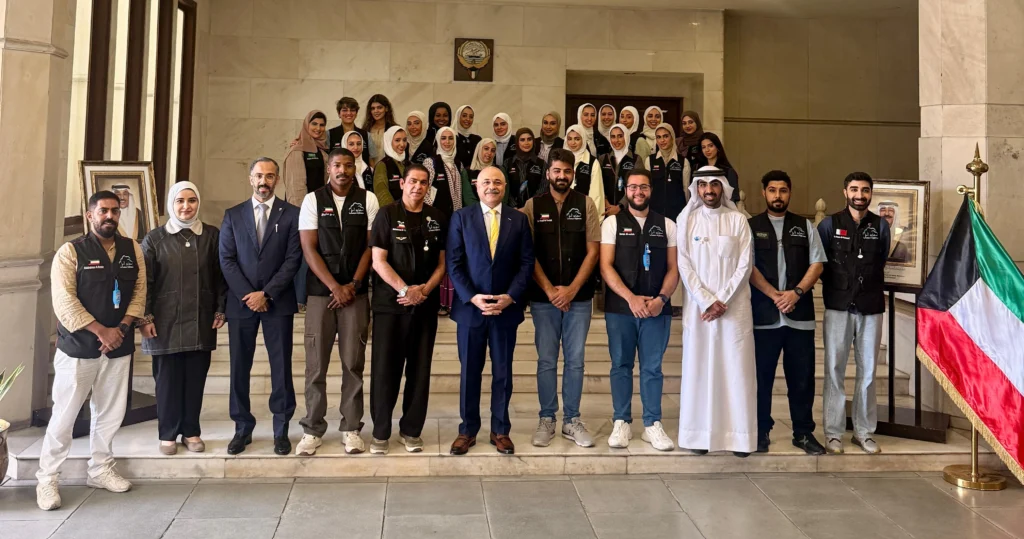
In a gesture that quietly affirmed the enduring bonds of Gulf solidarity and humanitarian purpose, His Excellency Mr. Meshal Mustafa AlShemali, Ambassador of the State of Kuwait to the Republic of India, received members of Kuwait’s “Cloud of Hope” volunteer team during their recent mission to India. The thirty-strong contingent, drawn from Kuwait, Bahrain and Saudi Arabia, had come not as tourists or official delegates, but as practitioners of a quieter diplomacy: one measured in medical consultations, schoolbags and the soft currency of hope.
Ambassador AlShemali spoke with evident pride of the young men and women whose work, he said, embodies values long native to Gulf societies. These initiatives, he observed, are no fleeting fashion of goodwill; they represent a living tradition of social responsibility and collective conscience. In them he saw a shining illustration of how Gulf youth are steadily claiming a place in the wider landscape of international humanitarian endeavour. The Ambassador reminded his guests that charity has never been an occasional virtue in Kuwait.
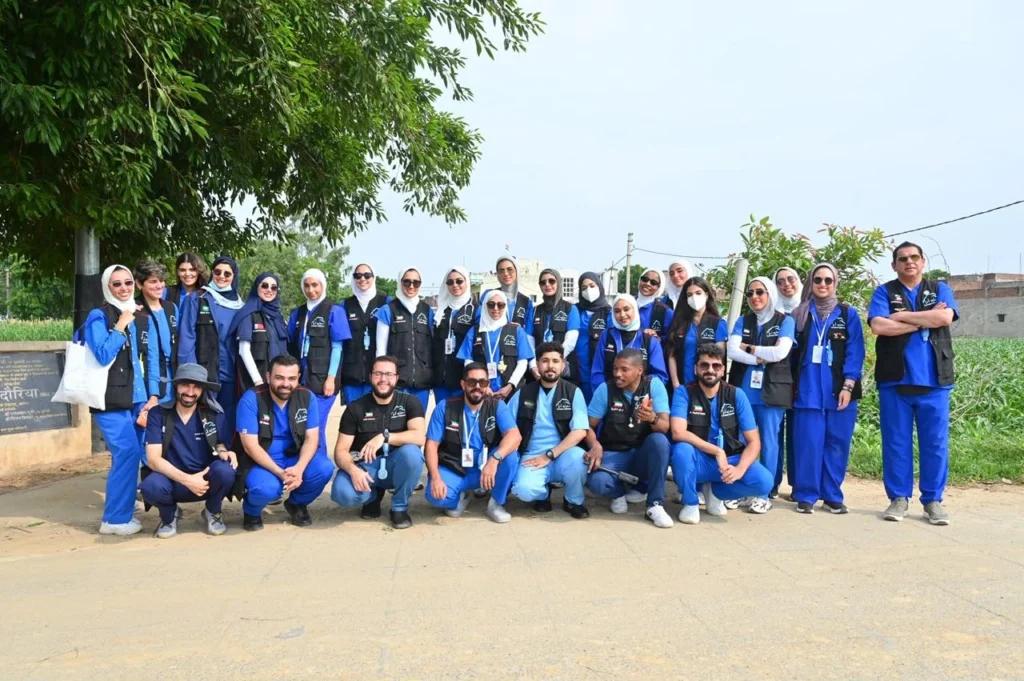
From earliest times, the country’s people have stretched open hands across oceans and deserts, answering need without regard to nationality, creed or circumstance. That instinct, he suggested, remains unbroken, a quiet conviction that mutual support, compassion and human solidarity are not abstract ideals but daily obligations. The volunteers themselves formed a purposeful mosaic of skill: physicians, engineers, academics, educators and specialists. Over the course of their stay they organised a medical day that offered check-ups, consultations and health guidance to nearly four hundred people.
Hundreds of schoolbags, stationery sets, food parcels and essential supplies reached families living at the margins. Educational workshops and sports sessions for children and students encouraged self-belief, cooperation and healthy rivalry; equipment was left behind so that the games and lessons might continue long after the visitors had departed. In scale the mission was modest, three countries, thirty volunteers, a few hundred direct beneficiaries, yet its meaning was larger.
It continued a record of cross-border service already established by the “Cloud of Hope” team and offered, once again, proof that Gulf youth can model a form of volunteerism that refuses to stop at national frontiers. At the heart of the visit lay a single, unadorned conviction: hope is a language every human being understands. In the quiet exchange of medical care, learning materials and shared play, that language was spoken fluently, without translation.