




BY MOHAMMAD TARIQUE SALEEM
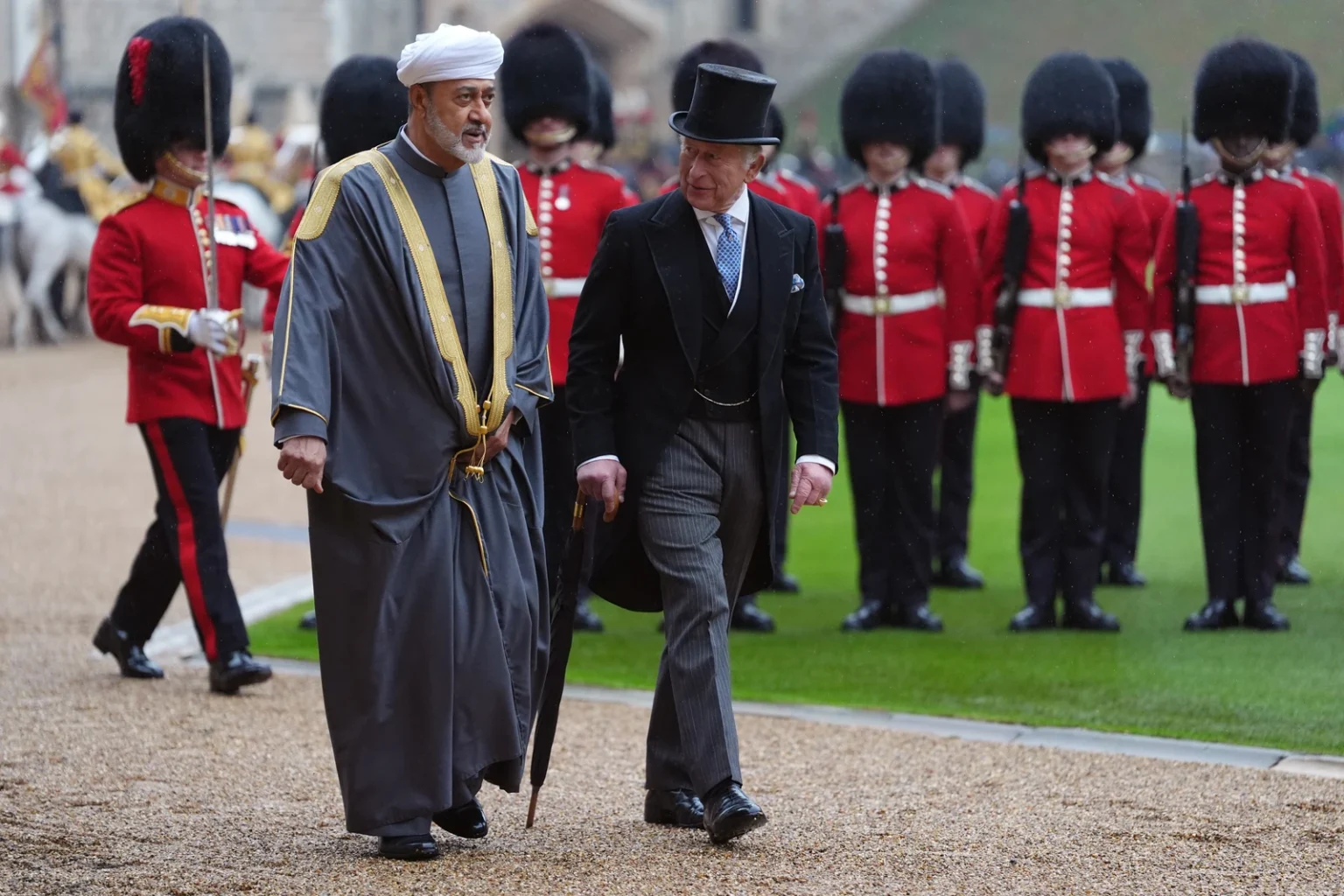
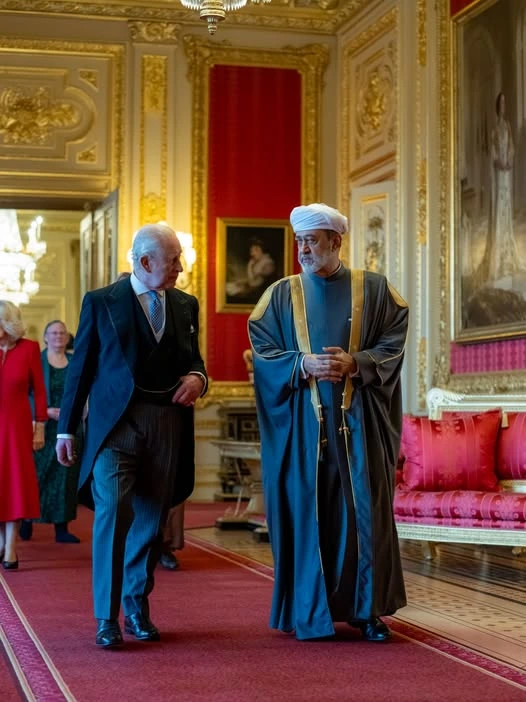
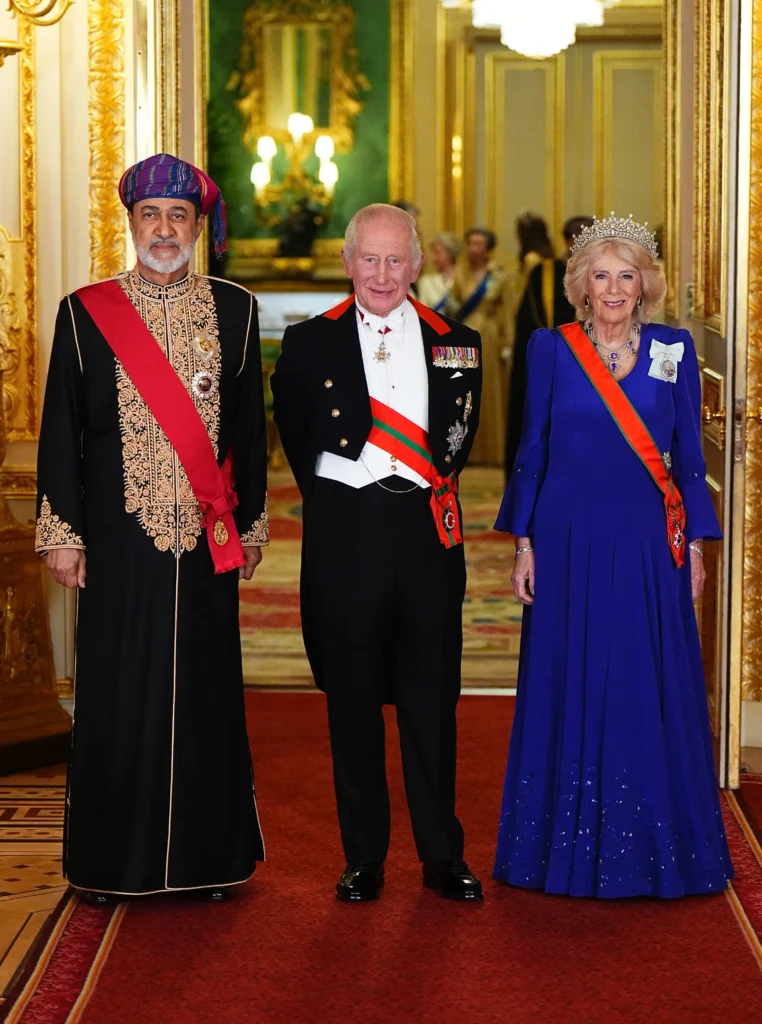
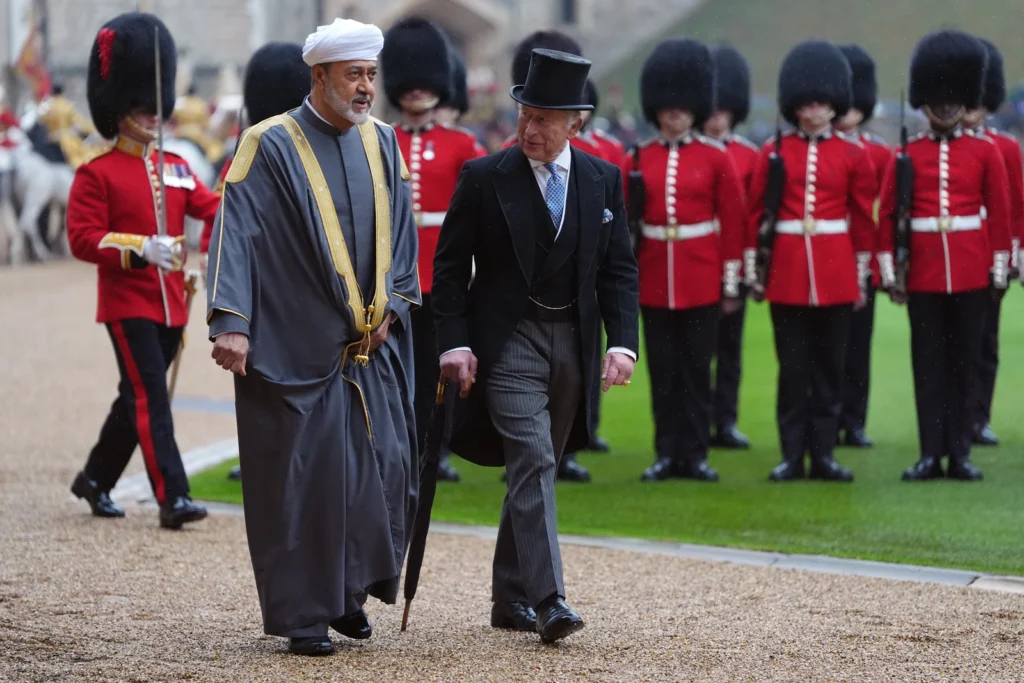
The Royal visit of His Majesty Sultan Haitham bin Tarik to the United Kingdom stands as a powerful affirmation of one of the world’s most enduring bilateral relationships. Spanning many centuries, the ties between the Sultanate of Oman and the United Kingdom have been marked by mutual respect, strategic partnership and shared interests. The official reception ceremony and state banquet hosted by King Charles III reflected the profound depth of these historic relations, underscoring a friendship that continues to evolve with purpose and vision.
At the heart of the visit lies a clear economic and technological agenda. His Majesty has set an ambitious course for Oman that closely aligns with Britain’s own forward-looking priorities in the economy and modern technologies. Particular emphasis has been placed on strategic minerals, renewable energy and emerging fields such as artificial intelligence and space technology. New partnerships are already taking shape across these domains, positioning both nations to lead in areas critical to future prosperity and global competitiveness. The visit has been widely described as exceptional precisely because it honours a rich shared past while resolutely focusing on the opportunities of tomorrow.
People-to-people connections form another vital pillar. The resumption of the Chevening Scholarship programme between Oman and the United Kingdom has been warmly welcomed as a tangible investment in the next generation of leaders, academics and professionals. Parallel discussions have advanced cooperation between Omani and British universities in future technologies spanning renewable energy, artificial intelligence and space science. These are the very fields in which the world requires leadership, and the two countries are uniquely placed to provide it together.
Defence and regional security remain areas of intensive and trusted collaboration. Oman continues to play a diplomatically vital role at a time of heightened tensions and security challenges across the region. For decades the two nations have stood side by side through periods of turbulence, maintaining close defence and security cooperation alongside joint diplomatic efforts to address complex regional and global problems. Oman’s consistent role in keeping channels of communication open among nations has been particularly valued. Both countries work together on maritime security and enhanced information-sharing to safeguard the free flow of trade, recognising that the security of one contributes to the security of all.
This partnership extends into the multilateral arena. Oman and the United Kingdom continue to coordinate within international institutions, including the United Nations, in pursuit of diplomatic solutions. Shared commitment to the principles of freedom of navigation and maritime security remains firm, as does the determination to seek peaceful pathways through the conflicts and challenges that have marked the current year. The repercussions of regional events are not confined to the Middle East; they affect economies and societies far beyond, including Britain itself. Identifying pathways that serve mutual security interests, regional stability and the global economy is therefore a joint priority.
Economic relations are expanding still further through the Free Trade Agreement between the United Kingdom and the Gulf Cooperation Council states. Bringing this agreement to its final stages and sustaining efforts to understand the new partnerships required to meet regional challenges form an important element of the ongoing agenda. His Majesty’s visit has reaffirmed that the Oman–United Kingdom relationship is both time-tested and future-oriented. Grounded in history yet driven by shared ambition in technology, education, security and diplomacy, it offers a model of constructive partnership at a moment when such models are needed most.