




BY ZAHID AKHTAR
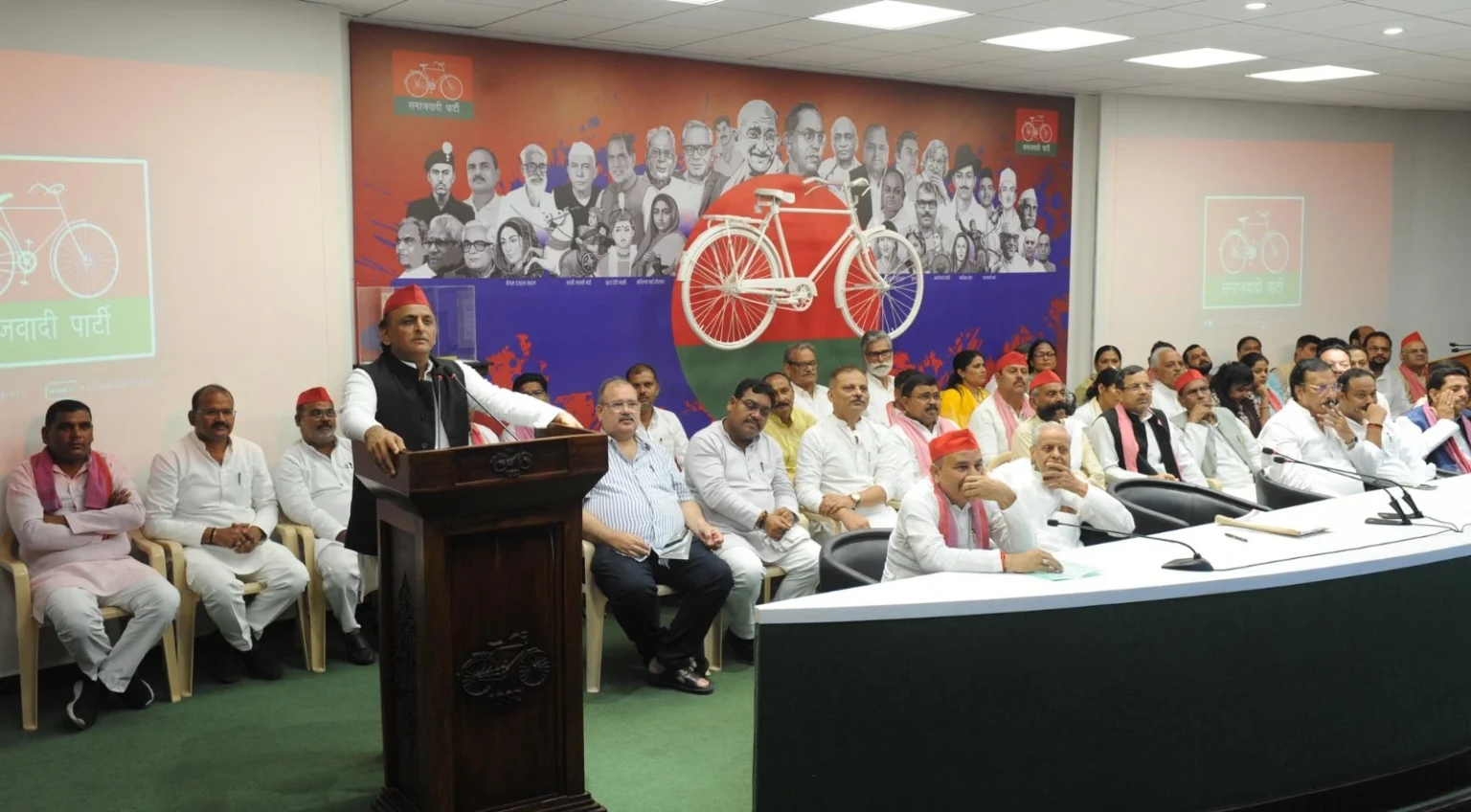
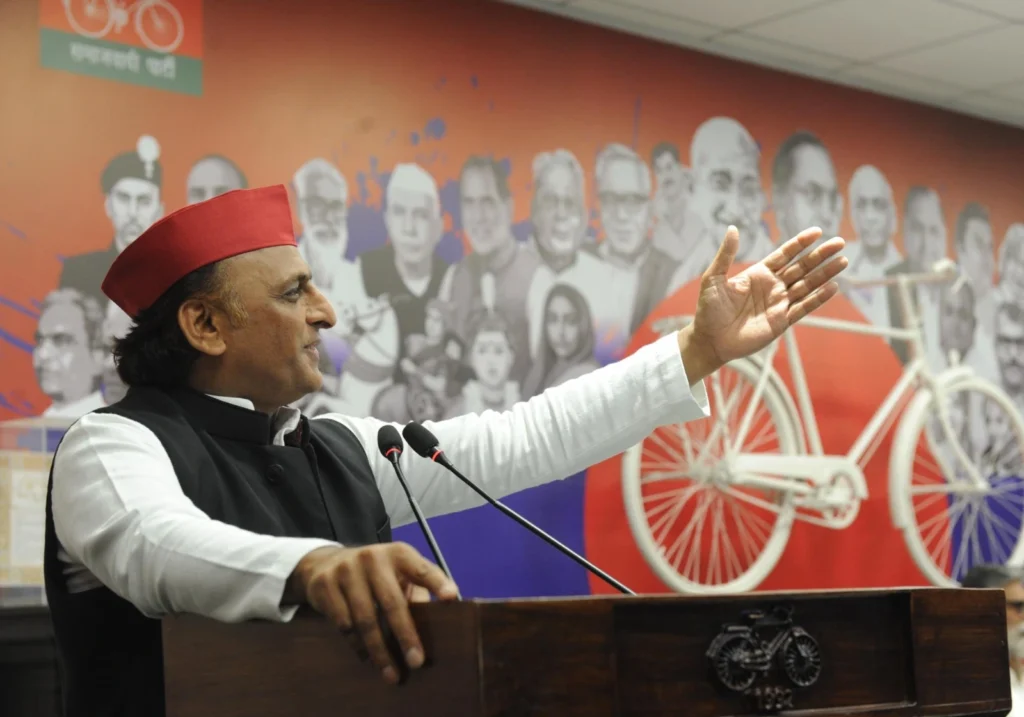
Akhilesh Yadav’s press conference at the Samajwadi Party’s state headquarters is a textbook pre-election offensive, structured to hit the ruling BJP on nearly every axis of public grievance simultaneously, economic distress, social justice, corruption, minority rights, and democratic legitimacy. The speech’s power lies less in any single charge than in its cumulative, rapid-fire structure: within a few paragraphs, Yadav moves from GDP figures to a specific human tragedy in Jhansi, then to temple-fund corruption, expressway scams, judicial appeals, and finally EVM skepticism.
This layering technique is a classic opposition tactic, it prevents any one claim from being scrutinized in isolation and instead builds an emotional cascade of “misgovernance.” The most rhetorically potent moment is the Jhansi incident, a man allegedly unable to afford treatment for his wife, later immersing her body in the Betwa river after failing to secure an ambulance. By juxtaposing this against the government’s claimed 7.2-7.4% GDP growth, Yadav constructs a stark “statistics versus suffering” narrative.
This is a powerful persuasive device precisely because it personalizes abstract economic data, though it should be noted this is a single anecdote being used to indict a national economic record, a rhetorical move common across political traditions, not a statistical argument. Yadav’s targeting of reservation policy, minority rights, and specific incidents (the Saharanpur mosque demolition, the Delhi building collapse) signals a clear electoral strategy: consolidating the SP’s traditional base among OBCs, Dalits, minorities, and youth ahead of assembly elections, while trying to fold in disaffected groups like anganwadi workers.
The reference to Azam Khan is a pointed appeal to Muslim voters specifically, framing his treatment as a “message” of intimidation to the wider community, a claim that is contested and would require independent verification of due process in his cases. Structurally, the speech also performs institutional pressure: calling on the High Court and Supreme Court to take suo motu cognizance of alleged misuse of government funds for “negative campaigns” against the opposition, and separately of harassment allegations within the Information Department.
This dual invocation of judicial authority serves two purposes, it signals confidence that SP’s claims would survive scrutiny, and it shifts the burden of investigation onto institutions rather than requiring Yadav to produce evidence himself. The closing claim, that this will be “the first election where results are known before the dates are even announced”, is standard pre-poll bravado, projecting inevitability to shape voter psychology and media narrative regardless of ground realities.
It’s worth stressing that this document represents one party leader’s characterization of the ruling government’s record. The BJP would dispute virtually every substantive claim here, its economic data, its account of reservation policy, and its framing of the incidents cited, and independent verification of specific facts (GDP figures, the Jhansi case details, corruption allegations) would be necessary before treating any of this as established rather than contested political messaging.