




BY MOHAMMAD TARIQUE SALEEM
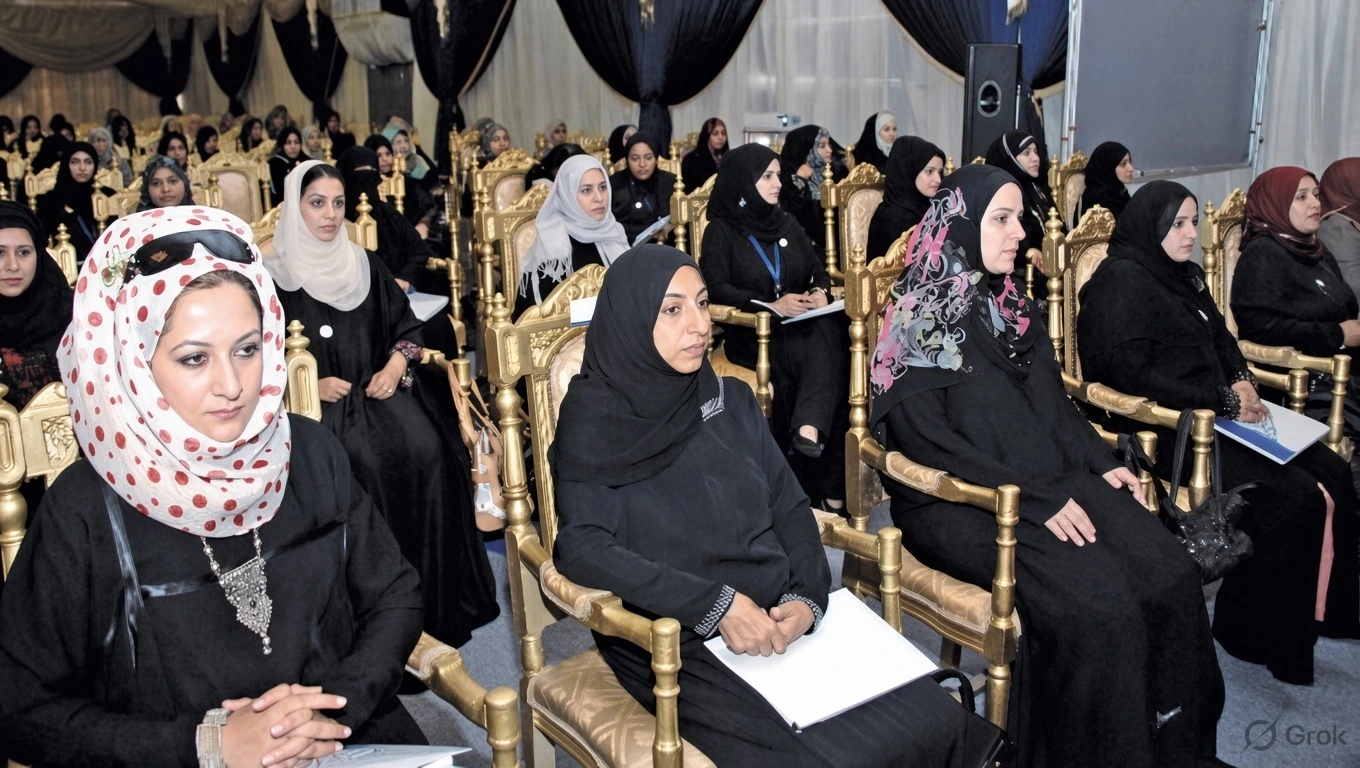
Women’s participation in Oman’s energy sector spans engineering, technical, research, and management roles across the oil and gas and renewable energy industries. Female engineers and researchers contribute to reservoir engineering, drilling operations, research and development, and operational efficiency improvements, while also undertaking a range of responsibilities across sector institutions, including Petroleum Development Oman and OQ Group.
Statistics of 2024 reflect this growing presence. Petroleum Development Oman employed 1,417 women out of a total workforce of 9,326, representing approximately 15.2 percent of the company’s employees. This figure includes all female employees, not exclusively Omani nationals. Meanwhile, 89 Omani women were working at the company’s onshore concession sites. These numbers signal steady progress in a field long dominated by men, yet they also highlight the determined talent rising through ranks once considered out of reach.
In Petroleum Development Oman, women now shape critical decisions that keep production reliable and innovation alive. They analyze complex reservoir data, optimize drilling sequences, and refine processes that reduce downtime and improve recovery rates. Their presence in research laboratories drives experiments that enhance extraction techniques and support the transition toward cleaner energy solutions. Across OQ Group, female leaders manage supply chains, oversee safety protocols, and guide strategic planning that balances national energy security with global market demands.
This expansion of roles carries meaning far beyond headcounts. When women design safer work environments and more efficient operations, entire teams benefit. Knowledge shared across genders strengthens problem solving and accelerates learning. Young Omani students, both girls and boys, see living proof that technical excellence has no fixed gender. Universities and training institutes respond by expanding programs that prepare the next generation of engineers and technicians for careers that once seemed distant.
The energy sector itself gains resilience. Diverse teams identify risks earlier, invent practical solutions faster, and adapt more readily to shifting market and climate pressures. As Oman advances its renewable energy ambitions, the same women already contributing in oil and gas bring transferable skills into solar, wind, and hydrogen projects. Their experience in large scale industrial operations becomes an asset in building the infrastructure of a lower carbon future.
Challenges remain. Greater numbers of women in senior leadership and field based technical posts will further deepen impact. Continued investment in professional development, mentoring, and inclusive workplace cultures will turn today’s 15.2 percent into a stronger foundation for tomorrow. Yet the direction is clear. Women’s contributions already improve operational performance, enrich institutional knowledge, and inspire broader participation. Oman’s energy sector grows more capable and more representative with every new female engineer, researcher, and manager who takes her place in the industry.