




BY MOHAMMAD TARIQUE SALEEM
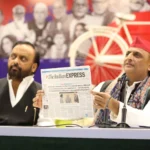
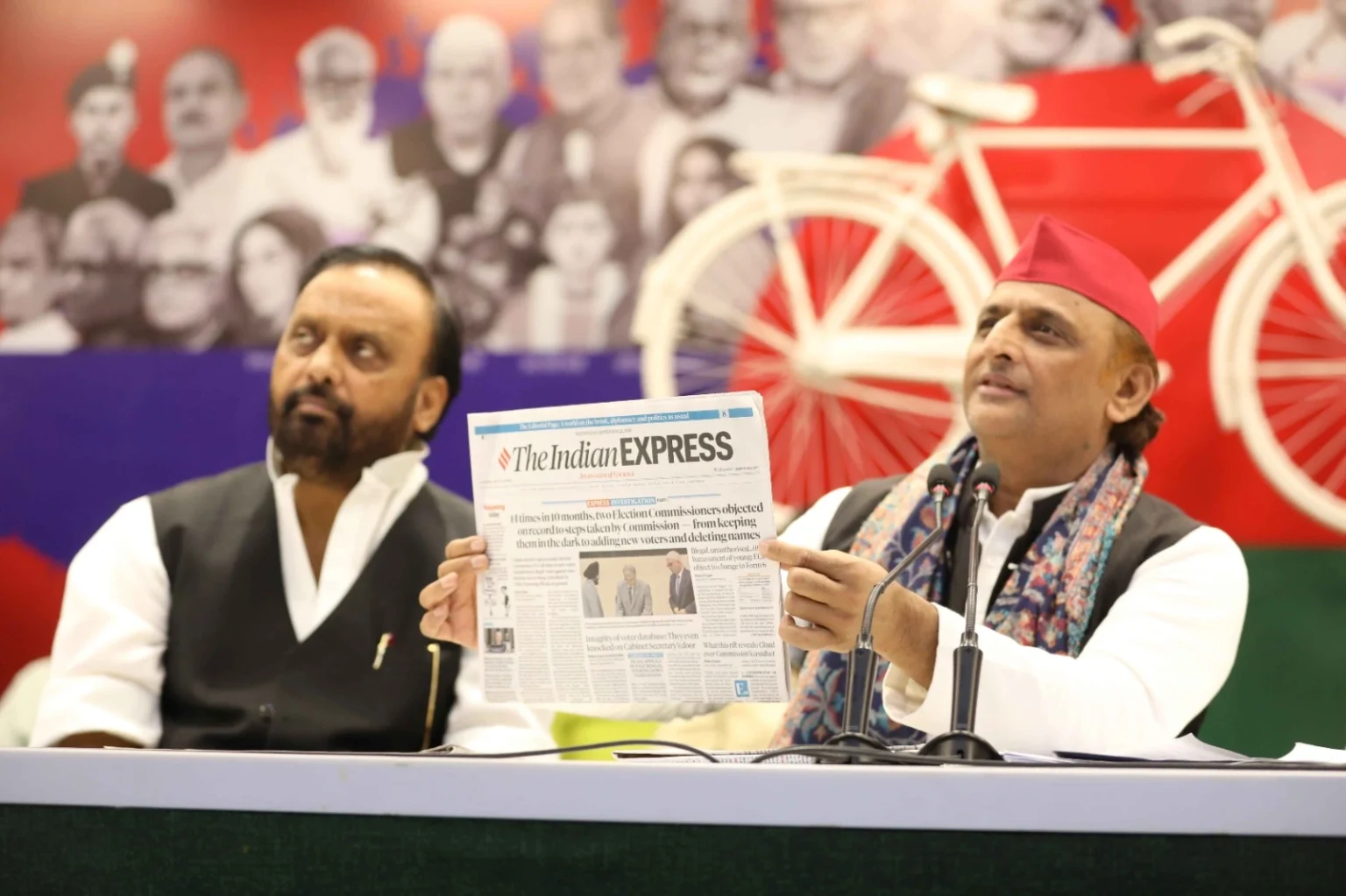
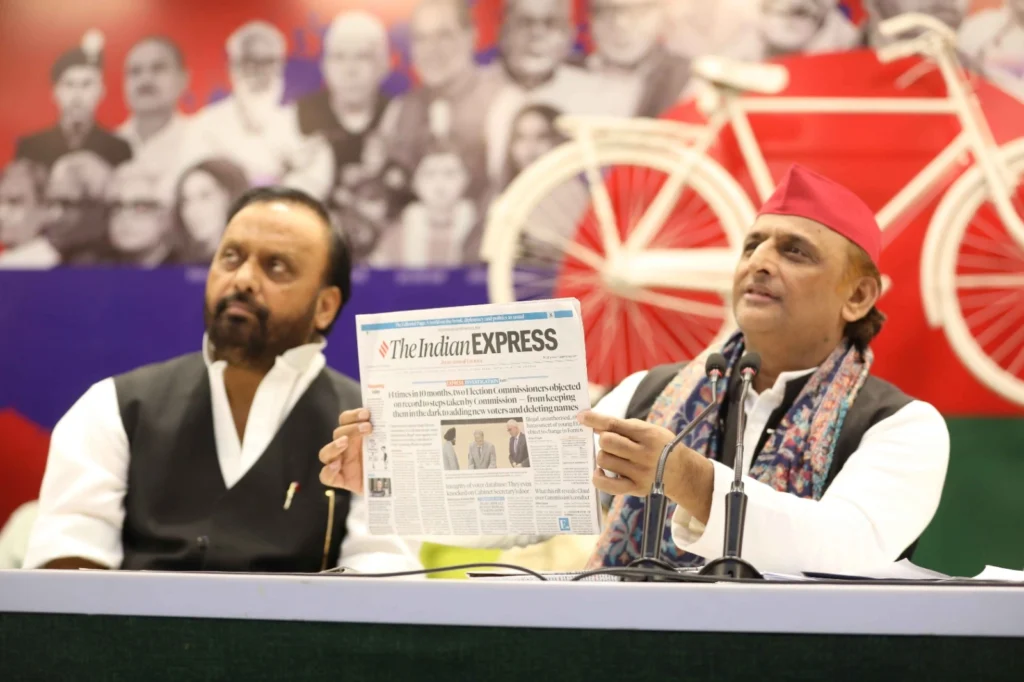
Akhilesh Yadav, national president of the Samajwadi Party and former chief minister of Uttar Pradesh, has sharply criticized the Bharatiya Janata Party government for what he describes as widespread displacement of the poor through demolitions of homes and shops. Speaking after meeting affected families from Ayodhya at the party headquarters in Lucknow, he accused the administration of acting arbitrarily, ignoring legal procedures, and failing to provide notice or adequate compensation. He extended the charge to similar actions in Meerut and framed the episode as part of a broader pattern of discrimination and disregard for constitutional norms.
The core of the statement centers on human hardship. Yadav detailed accounts from residents whose properties were razed, sometimes in the early hours, leaving families without belongings or means of livelihood. Specific cases involving shop owners and households were cited to illustrate sudden loss of cash, jewelry, furniture, business equipment, and household goods. Victims described the operations as sudden and without opportunity to salvage possessions, producing scenes of distress among children and adults alike. This narrative serves to humanize the issue and cast the government as indifferent to ordinary citizens.
Politically, the remarks function as classic opposition rhetoric. By portraying the BJP as hostile to the poor and unconcerned with due process, Yadav seeks to reinforce the Samajwadi Party’s traditional base among marginalized groups. He recalled earlier grievances over land acquisition in Ayodhya and contrasted those experiences with the compensation practices of the previous Samajwadi Party government during the construction of the Lucknow Agra Expressway. In that instance, he claimed, displaced villagers received more than they requested and raised no complaints. The promise that a future Samajwadi Party administration would fully compensate the current victims and provide permanent housing is both a policy pledge and an electoral inducement.
Beyond the demolitions, Yadav broadened the critique to law and order. He listed rising incidents of murder, robbery, custodial deaths, cyber fraud, and crimes against women, asserting that Uttar Pradesh now ranks first in some of these categories. Specific recent killings in Basti and Azamgarh were mentioned to question the government’s claims of zero tolerance. These points aim to paint an image of systemic failure rather than isolated administrative excess.
The statement blends emotional appeal, concrete victim stories, comparative governance claims, and wider security concerns. It positions the Samajwadi Party as the defender of the displaced and the restorer of fairness, while casting the ruling party as both harsh and ineffective. Whether the specific allegations of illegal demolitions or inadequate compensation hold under independent scrutiny remains a matter for verification by courts and official records. As political communication, however, the remarks are designed to mobilize sympathy and convert localized grievances into statewide electoral argument.



