





BY MOHAMMAD TARIQUE SALEEM
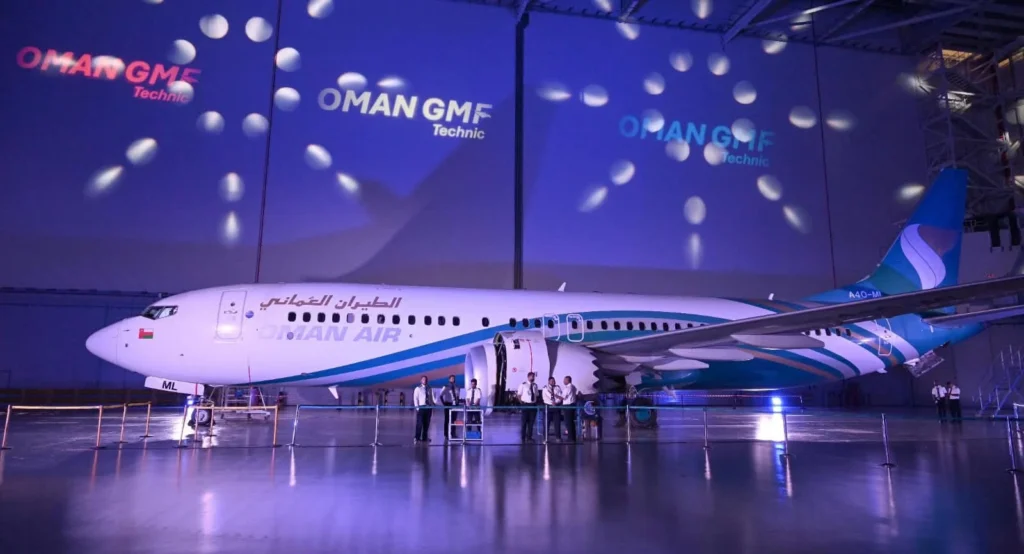
The launch of Oman GMF Technic on 11 November 2026 marks more than the opening of a new maintenance facility. It represents a calculated shift in Oman’s aviation strategy—from reliance on foreign MRO providers to the creation of indigenous technical capacity capable of serving both domestic and regional demand. By partnering with Indonesia’s GMF AeroAsia, Oman Air has taken a decisive step toward positioning the Sultanate as a competitive aircraft maintenance destination in a crowded Middle Eastern market.
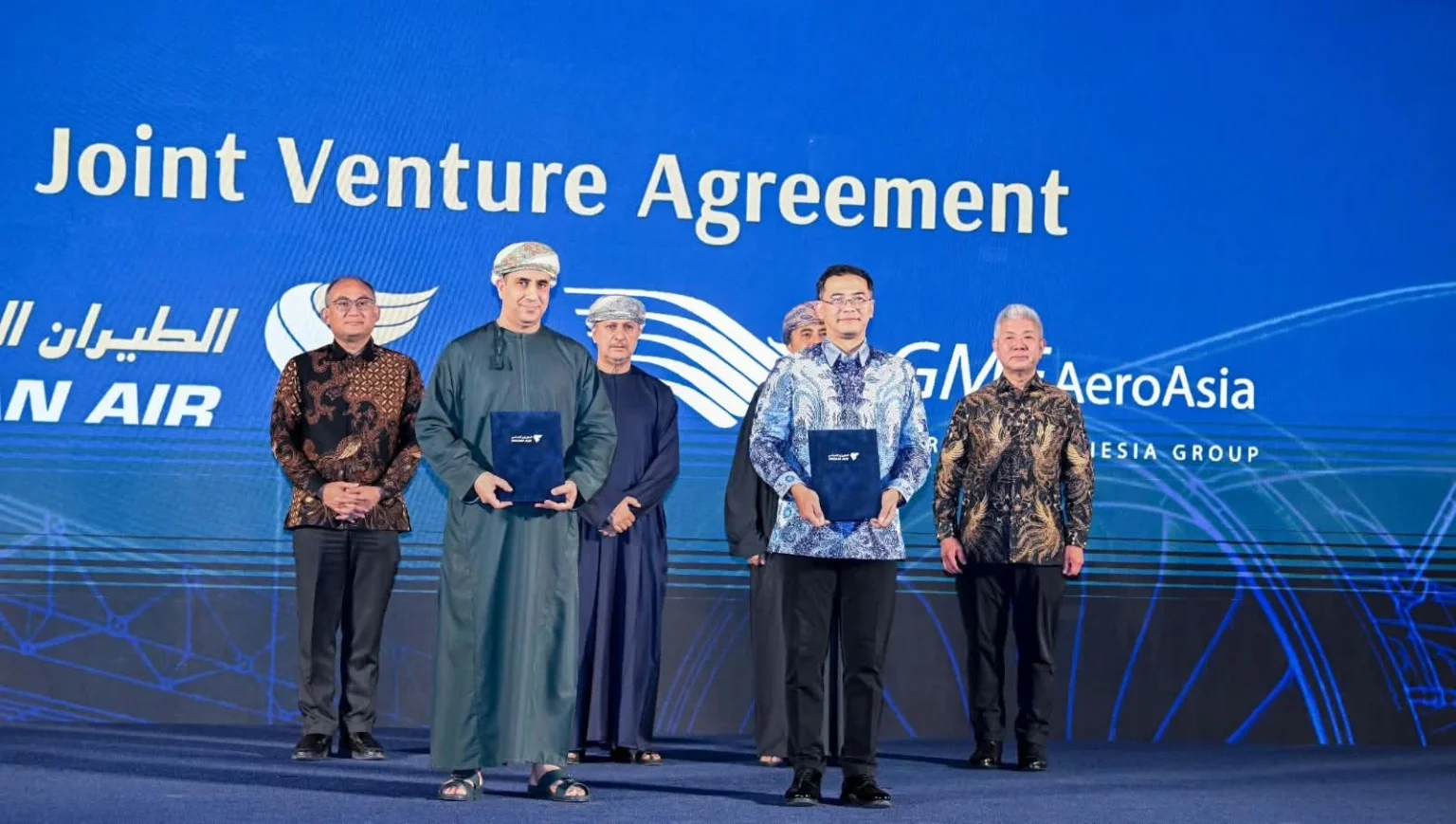
The joint venture, formalised at Muscat International Airport under the patronage of Transport Minister Eng. Said bin Hamood Al Maawali and Finance Minister Sultan bin Salim Al Habsi, establishes Oman’s first dedicated base and line maintenance operation. Until now, Omani carriers and visiting airlines have largely sent aircraft abroad for heavy checks and specialised work. Oman GMF Technic aims to reverse that outflow of business, keeping maintenance expenditure within the national economy while offering airlines a geographically convenient alternative between Europe, Asia, Africa and the Gulf.
The choice of partner is telling. GMF AeroAsia brings established technical depth and international exposure, allowing Oman to accelerate capability development rather than building expertise from scratch. Oman Air CEO Nasser Al Sharji framed the venture as both an industrial and human-capital project, emphasising the creation of a “world-class” environment where Omani engineers can develop long-term careers. GMF CEO Andi Fahrurrozi, for his part, highlighted the reciprocal value: Indonesian expertise gains a Middle Eastern platform, while GMF’s workforce gains international experience. The partnership is therefore structured as a two-way transfer of knowledge and market access rather than a simple technology import.
Talent localisation will determine the venture’s long-term success. Technical training and structured knowledge transfer are central to the model. Without a critical mass of certified Omani engineers and technicians, the facility risks remaining dependent on expatriate labour, limiting both cost competitiveness and national economic multipliers. If executed effectively, however, the programme could create a durable pipeline of specialised aviation skills, supporting Oman’s broader economic diversification goals.
Geography remains Oman’s strongest structural advantage. Muscat sits at the intersection of major east-west and north-south traffic flows. A well-run MRO operation here can attract aircraft that would otherwise divert to Dubai, Abu Dhabi, Doha or further afield for scheduled checks. Success will depend on competitive turnaround times, regulatory reliability and the ability to offer services beyond Oman Air’s own fleet. The Civil Aviation Authority’s recent opening of the facility provides the regulatory foundation; commercial execution will now decide whether the venture captures meaningful third-party work.
In strategic terms, Oman GMF Technic is an investment in resilience and value retention. By developing onshore MRO capacity, the Sultanate reduces exposure to external capacity constraints and currency outflows while creating higher-value employment. If the joint venture delivers on both technical standards and workforce development, it will strengthen Oman’s claim as a serious regional aviation hub rather than merely a transit point. The announcement is therefore best understood not as an isolated corporate partnership, but as an early test of Oman’s ability to convert geographic position and policy intent into lasting industrial capability.