





COMPILED BY MOHAMMAD TARIQUE SALEEM
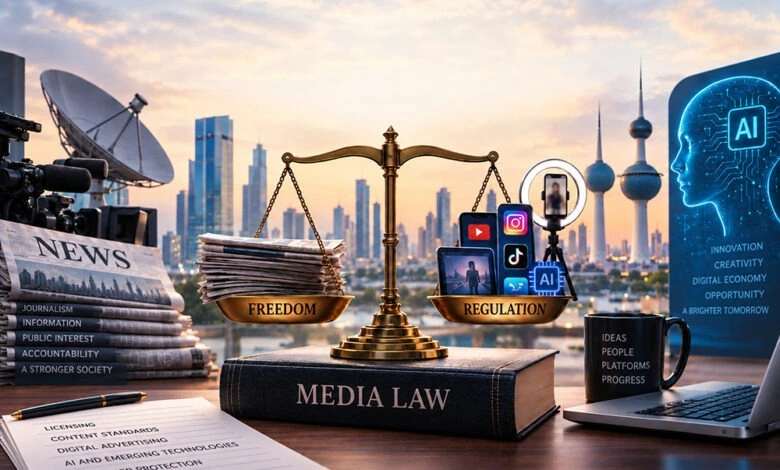
Kuwait is preparing to rewrite the rules of its media landscape at a moment when the meaning of media itself has fundamentally changed. A newspaper is no longer confined to print. A television station is no longer limited to a screen. Advertising can appear as a short video on a phone, an influencer post, a product review or content shaped by artificial intelligence. The proposed media law recognises this new reality by bringing publications, broadcasting, electronic media, digital advertising, content creation, artistic production and emerging technologies under one regulatory framework.
In doing so Kuwait is attempting something larger than a routine update. It is redesigning the legal architecture of an industry transformed by technology. The existing system grew in stages and still treats print, audiovisual and electronic media as largely separate domains. Those distinctions have collapsed. A single story can move from a website to social media to video to a podcast within minutes. An influencer can act simultaneously as publisher, advertiser and commercial promoter.
Artificial intelligence can generate text, images, audio and video at a scale unimaginable when earlier laws were written. Fragmented rules therefore create uncertainty. A unified framework offers the chance of greater clarity about licences, obligations and legal responsibility. Clarity matters for investment. Kuwait seeks a stronger digital and creative economy. Entrepreneurs will hesitate if they must navigate overlapping requirements and unclear lines of accountability.
A single electronic licensing platform and coherent obligations could reduce administrative friction for both established companies and new digital ventures. The recognition of the influencer economy is equally significant. Sponsored content and paid endorsements now shape consumer behaviour. Requirements for transparency about commercial relationships can protect audiences, especially children, while building trust in the expanding digital advertising market.
Success will depend on precise definitions that distinguish professional activity from ordinary personal expression. The draft also addresses artificial intelligence by focusing on professional and ethical standards rather than attempting to freeze the technology itself. That approach is prudent, yet it will demand flexible executive regulations capable of evolving as tools advance. Freedom of expression remains the central test.
The text affirms press freedom while retaining safeguards for public order, morals, national security and the rights of others. Those safeguards are necessary, but broad language can chill legitimate journalism and criticism if applied expansively. Proportionate and gradual penalties, beginning with warnings before heavier measures, represent a constructive shift that distinguishes honest error from deliberate harm.
Every regulation carries costs. Complex compliance can favour large organisations with legal teams over independent creators and small enterprises. The goal must therefore be a better media market, not merely a more regulated one. Principles should be clear enough to protect society yet flexible enough to accommodate innovation. The real work will begin after the law is passed, when executive regulations define professional activity, licensing procedures and enforcement practice.
Consultation with journalists, creators, advertisers and technology firms during the transition period will strengthen the outcome. Kuwait does not need to choose between responsibility and openness, or between regulation and creativity. It needs rules that enable both. The proposed law is more than technical reform. It is a statement about the kind of digital society Kuwait intends to build. How widely the door remains open will decide whether the overhaul becomes a platform for a genuine new era or simply a more elaborate system for managing the old one.