

BY MOHAMMAD TARIQUE SALEEM
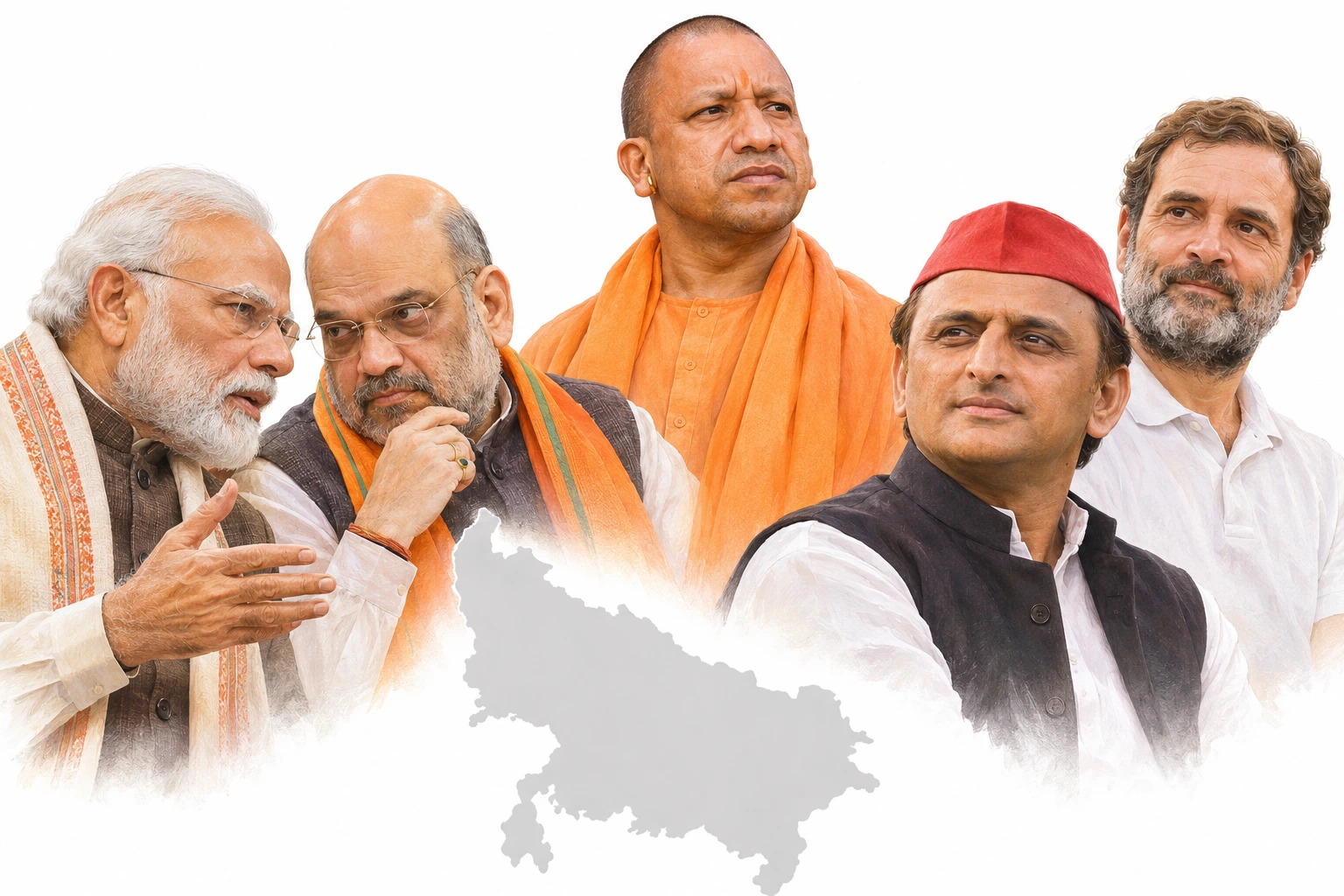
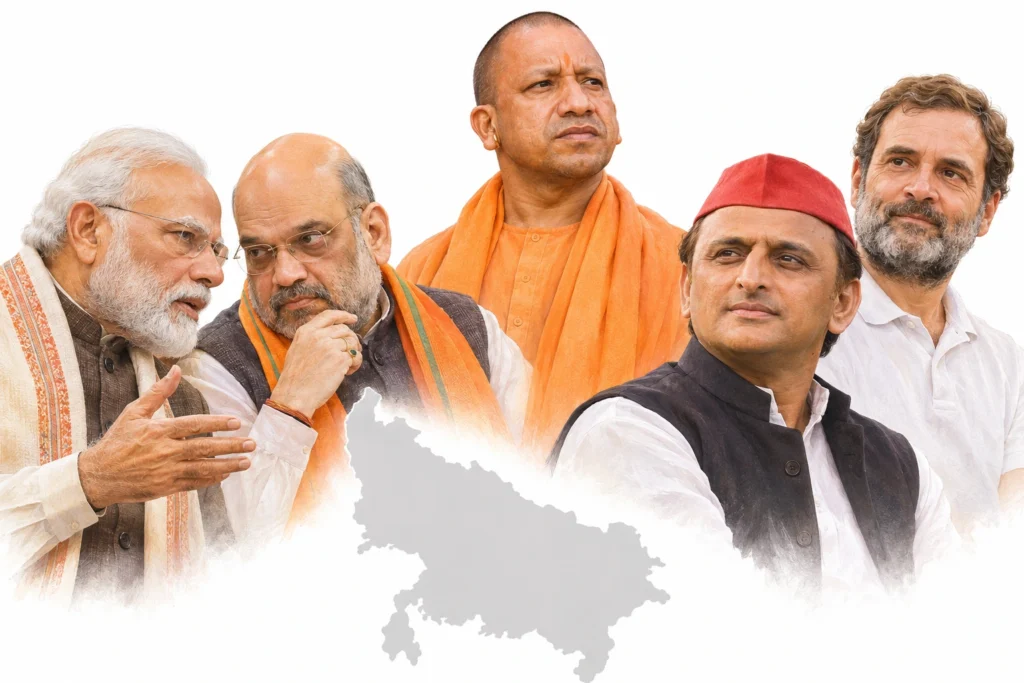
The BJP has spent two terms asking Uttar Pradesh to judge it by its record. In 2027, that invitation could cost it power. Young applicants had to sit a police recruitment exam twice because someone leaked the paper. In Ayodhya, residents saw stretches of a newly built road cave in after rain. If Narendra Modi, Amit Shah and Yogi Adityanath quarrel over who gets a ticket, Akhilesh Yadav and Congress can ask who answers for the failures voters lived through.
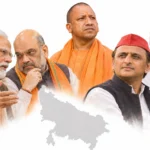
When the BJP announces its candidates for the 2027 Uttar Pradesh Assembly election, watch the leaders who miss out. A disappointed aspirant may congratulate the nominee in Lucknow and still do very little for him back home. That is where any disagreement between Narendra Modi, Amit Shah and Yogi Adityanath could cost the BJP seats. In a close contest, Akhilesh Yadav and Congress could benefit even if the ruling party’s differences never produce an open revolt.
Talk of a personal rupture among the three leaders remains speculative. The dispute over who carries weight inside the Uttar Pradesh BJP, however, has already played out in public. After the 2024 Lok Sabha setback, Deputy Chief Minister Keshav Prasad Maurya asserted the primacy of the party organisation. With Modi and Shah taking prominent roles in preparations for 2027, BJP aspirants have reason to watch whose recommendation carries the day. Yogi has a personal following in the state. Delhi’s handling of his preferences will matter most in constituencies where the eventual nominee depends on the cooperation of someone who wanted the ticket himself.
For voters, employment gives this election a more immediate meaning. Consider the young people who sat the police constable examination in February 2024. A paper leak forced its cancellation, sending candidates back to their books and leaving families to bear the expense of another journey. The recruitment eventually produced 60,244 appointments. The government deserves credit for filling those posts, but candidates are entitled to ask why they had to take the examination twice. Akhilesh brought that frustration into his October meeting with teachers and job aspirants in Lucknow, where he promised to advertise vacancies and end outsourcing. Voters can hold him to both commitments.
Infrastructure poses an equally uncomfortable question. In Ayodhya, sections of the newly built Rampath caved in after rain in June 2024. Yogi ordered six officials suspended. For shopkeepers along one of the state’s most prominent roads, the obvious question was how the work had passed inspection. Akhilesh has since challenged the government over potholes, the condition of rural water tanks and the quality of public works. On November 18, he took that argument into villages in Gorakhpur, inviting people in Yogi’s home district to judge the development record for themselves.
The case for a BJP defeat is stronger than it once appeared, although predictions of a sweep run ahead of the evidence. In the 2024 Lok Sabha election, the Samajwadi Party won 37 seats in Uttar Pradesh and Congress won six, against the BJP’s 33. Months later, the BJP and its ally took seven of nine Assembly bypolls. Both results belong in any honest assessment of 2027.
Akhilesh and Congress therefore face a test of their own. Can they agree on candidates and persuade their workers to campaign for one another? If they can, a dispute over a BJP ticket could decide a marginal seat. Across Uttar Pradesh, however, the larger verdict will come from families weighing what two terms of BJP government have delivered against what the opposition can credibly promise.