






BY NURUDDIN NAIK
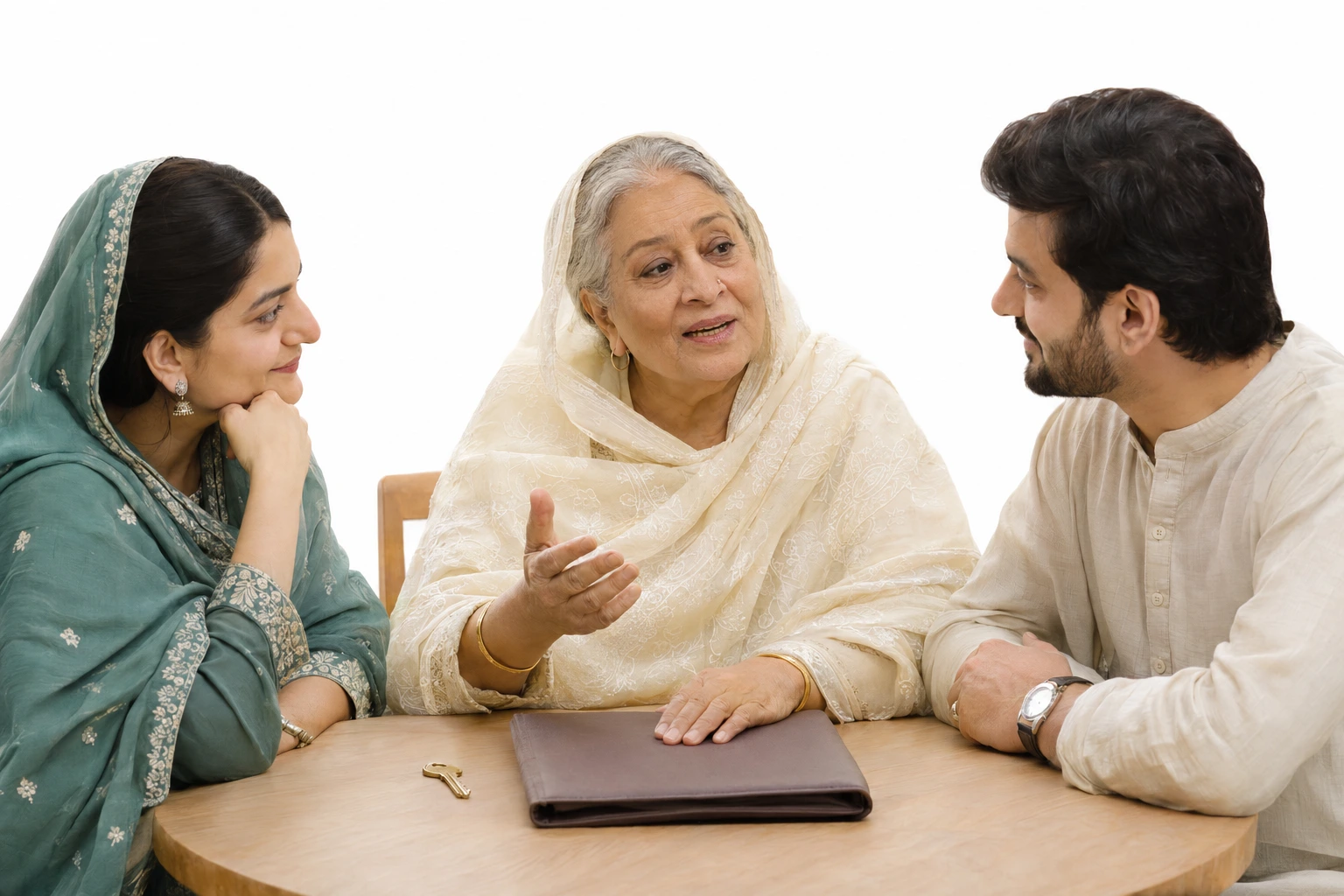
A few days after a funeral, someone in the family has to ask what will happen to the house. A widow may have lived there for forty years and still have to ask her children where the ownership papers are kept. A daughter may know that the Quran gives her a share and hesitate to mention it while her mother is grieving. For both women, the debate over the Uniform Civil Code begins at that table.
A Uniform Civil Code, or UCC, sets common rules for family matters such as marriage, divorce and inheritance. Article 44 of the Constitution asks the State to work towards such a code throughout India. It is a directive principle that guides lawmakers. Article 25 protects religious freedom within constitutional limits. India has no nationwide UCC. Uttarakhand brought its code into force in January 2025. The Gujarat, Assam and Madhya Pradesh bills received presidential assent in 2026. Families need to know which provisions apply in their state and when they take effect.
For Muslims, the concern reaches into decisions made in good faith over a lifetime. A couple entering a nikah agrees on mehr, an obligation the husband owes his wife. Parents arranging their affairs may regard the shares of inheritance laid down in the Quran as a duty before Allah. They are entitled to ask how a civil code will treat those obligations. Supporters of a common code also ask a fair question. How can every woman, whatever her religion, secure her rights when those closest to her refuse to honour them?
Our community should have the courage to discuss both questions in the same room. Ask a woman who has spent years seeking unpaid mehr what she needed when her marriage ended. Ask a daughter what happened when she first mentioned her share of her father’s property. Their experience can show where a legal protection works, where a family custom causes harm and where a change in the law raises a genuine religious concern.
Mosque committees can begin by arranging short awareness sessions before the Friday khutbah. Invite a family law advocate who has studied the state code and a scholar who understands Shariah. Give them one case to explain together. If a husband dies leaving a widow, children and a house, what must the family establish before anyone can say who inherits what? Let people ask questions privately. Hold neighbourhood meetings at hours when women and working families can attend. Give everyone a short, checked summary in the language they speak at home.
The same care should guide discussions with the government. Where a clause causes concern, a delegation of lawyers, scholars, women and affected families should seek a meeting with the Chief Minister and the state law department. Take the wording of the clause. Explain its likely effect on a household. Ask for a written clarification or propose an amendment. A family that brings its experience to such a meeting deserves to hear what answer the government gave and what remains unresolved.
No widow should have to learn the law for the first time while relatives wait for her signature. No young woman should leave her nikah ceremony uncertain about what was promised to her or how to claim it. The most valuable contribution our mosques, scholars and lawyers can make is to put that knowledge into people’s hands early. When a family gathers around the table, the woman whose future is being decided should have the papers in front of her, time to read them and a voice in the decision.