








ARABIAN TIMES NEWS NETWORK
Kuwait reaffirmed its commitment to strengthening regional food safety and security during the 10th ministerial meeting of Gulf Cooperation Council (GCC) officials responsible for food safety. The meeting was chaired by Minister of State for Development and Sustainability Reem Al-Fulaij, who headed Kuwait’s delegation in the virtual conference attended by representatives from GCC member states.
According to a statement issued by the Public Authority for Food and Nutrition (PAFN), the meeting was part of continuous efforts aimed at enhancing joint Gulf cooperation and developing unified policies to protect consumers and ensure high standards of food quality across the region. The discussions focused on several important agenda items, most notably the draft unified food law for GCC countries.
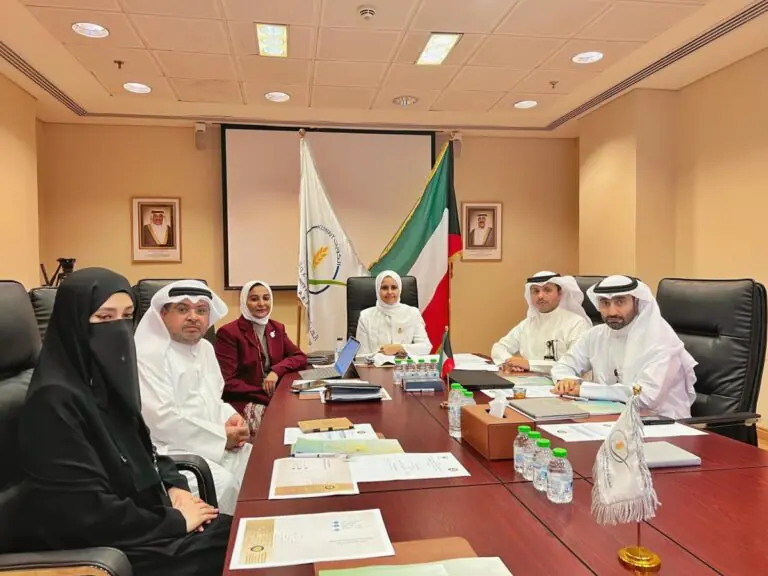
Officials also reviewed mechanisms related to the imposition and lifting of bans on imports of animal-origin food products, an issue considered vital for maintaining public health and ensuring safe food trade within the Gulf region. PAFN emphasized Kuwait’s strong support for regional integration in food safety systems and its commitment to improving regulatory efficiency among GCC member states. Officials highlighted the need for unified Gulf legislation that aligns with international standards and global best practices in food safety management.
Participants stressed that coordinated Gulf action is essential to reinforcing food security, facilitating safe trade, and protecting consumers from health risks linked to unsafe food products. The meeting also reflected the GCC countries’ shared determination to adopt modern regulatory frameworks capable of responding effectively to emerging food safety challenges and ensuring sustainable public health protection across the region.