





BY MOHAMMAD TARIQUE SALEEM
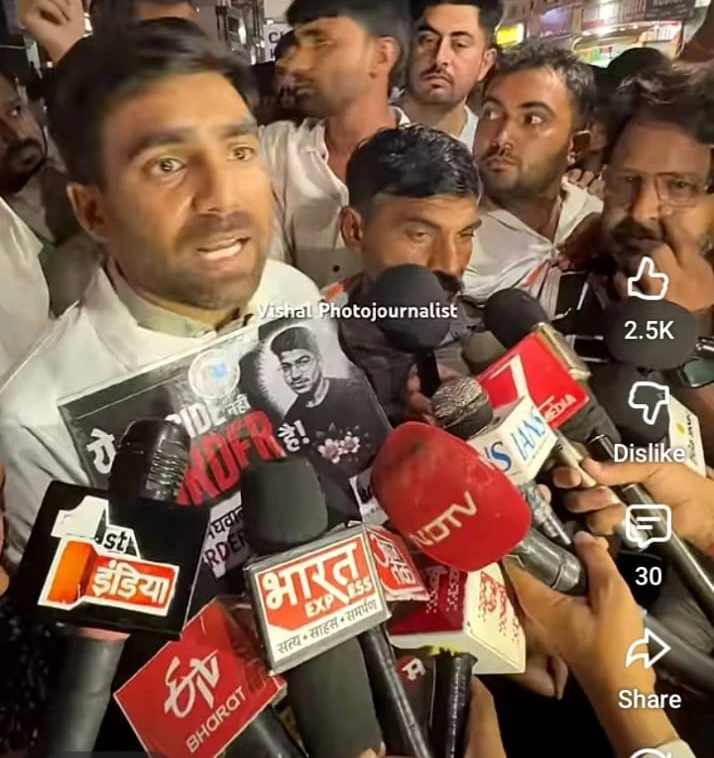
In the age of memes and social media revolutions, political resistance no longer begins on the streets, it begins on a phone screen. As seen in the viral video circulating online, the “Cockroach Janata Party” has now issued a dramatic 10-day ultimatum demanding the resignation of Union Education Minister Dharmendra Pradhan. The movement warned that if the BJP government fails to act, thousands of supporters will march towards Delhi in massive numbers.
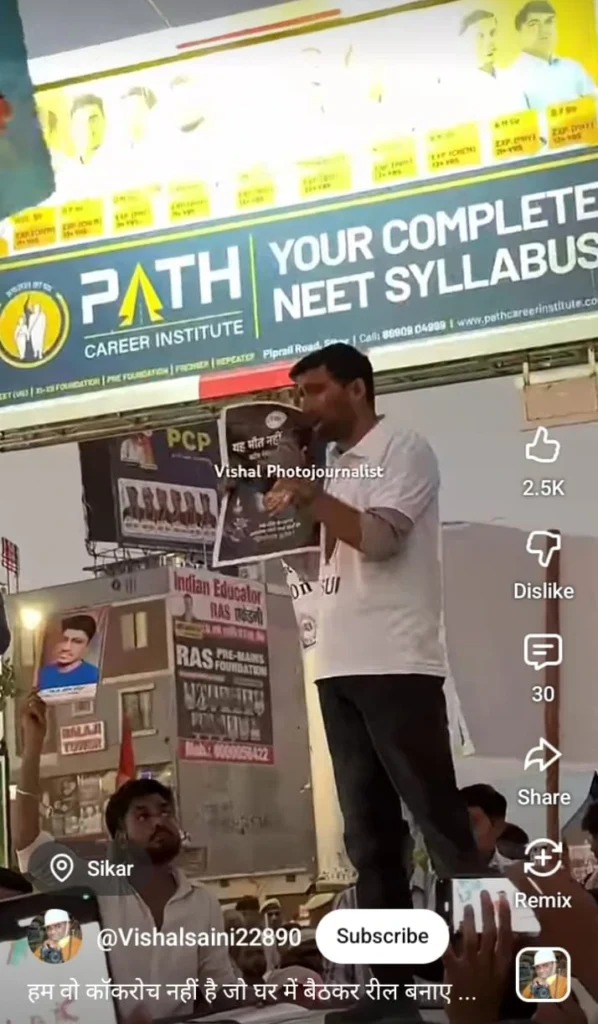
What started as a sarcastic online response to controversial remarks comparing unemployed youth to “cockroaches” has now evolved into one of the most talked-about digital protest movements in India. The rise of the “Cockroach Janata Party” (CJP) is not merely internet comedy; it is the reflection of a generation’s frustration, anger, and exhaustion with the political establishment led by the Bharatiya Janata Party.
At the center of this unexpected uprising is political strategist and digital creator Abhijeet Dipke, the man who transformed an insult into a movement. Launching the “Cockroach Janata Party” as a satirical response, Dipke likely did not imagine that millions of young Indians would emotionally connect with the idea so quickly. Yet within days, the movement exploded across Instagram, YouTube, X, and Reddit, where hashtags like “#MainBhiCockroach” began trending among students, unemployed graduates, and frustrated youth.
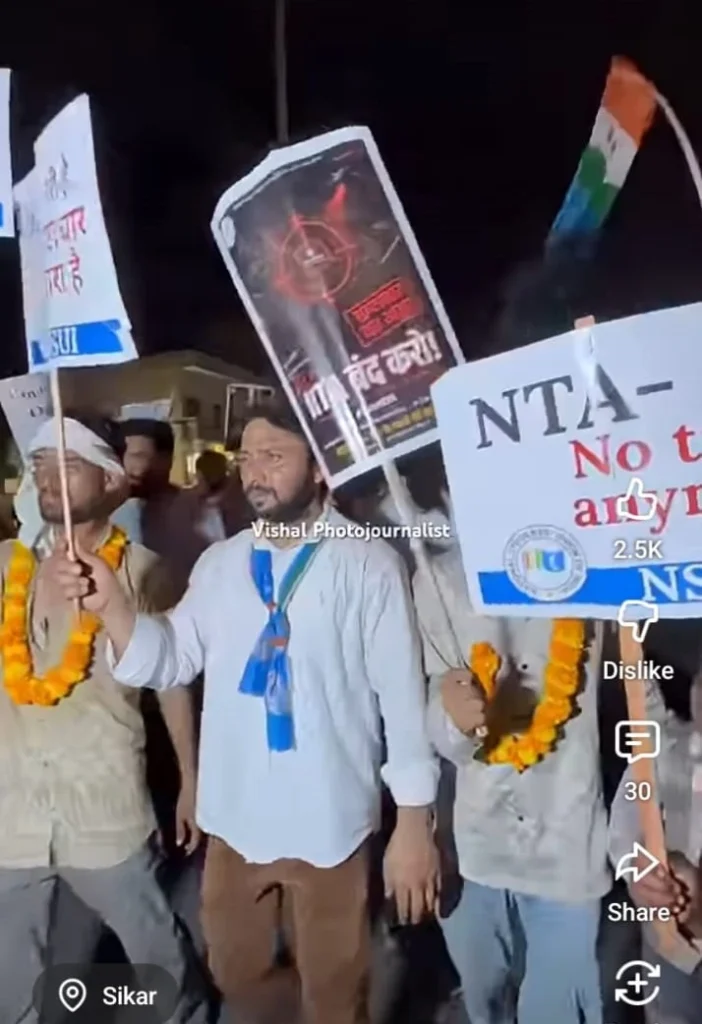
What makes the movement powerful is not its humor alone, but the pain hidden beneath it.
India today has one of the world’s largest youth populations, yet unemployment, exam scandals, economic pressure, and uncertainty continue to dominate the lives of millions. Competitive exams are repeatedly delayed or leaked, jobs remain scarce, and many young people feel abandoned by political leaders who once promised opportunity and development. The “Cockroach Janata Party” tapped directly into this emotional vacuum.
Speaking about the overwhelming response, Abhijeet Dipke remarked that the movement emerged because “young people have carried this frustration for years.” His statement resonated deeply online because it reflected a truth many feel but rarely hear acknowledged in mainstream political discourse. Through memes, satire, and dark humor, the movement gave India’s youth a new political language, one that is raw, rebellious, and impossible to ignore.
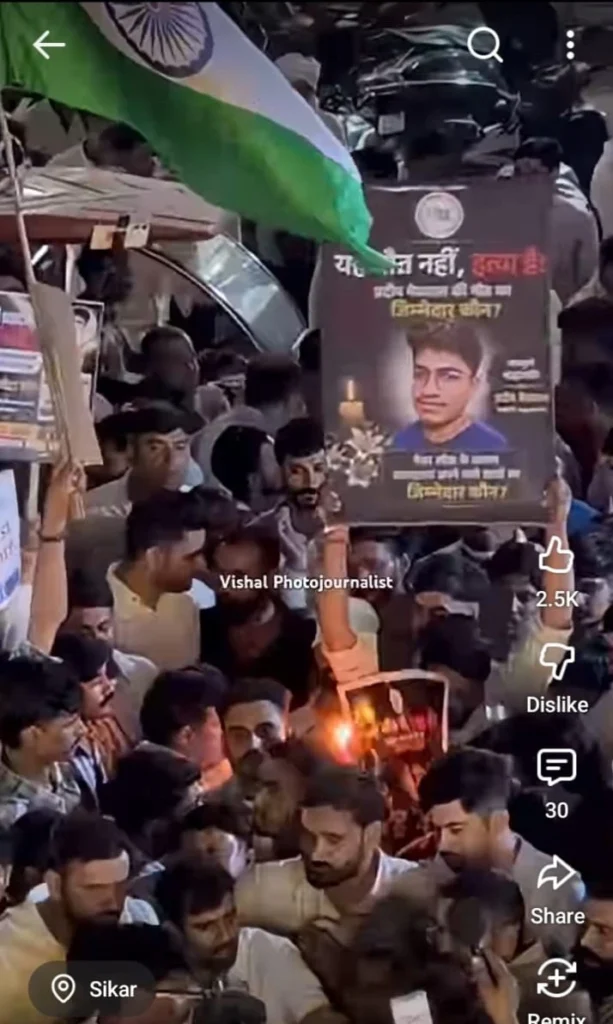
The viral videos circulating online capture this mood perfectly. Young creators mock speeches, imitate political propaganda, and use exaggerated satire to challenge power structures. But behind every joke lies a serious question: Why does a generation filled with talent and education feel increasingly hopeless about its future?
The BJP and its supporters have largely dismissed the movement as online drama or politically motivated propaganda. Some even accused the campaign of receiving support from outside India. Dipke rejected those allegations, stating that the overwhelming majority of supporters are Indian youth expressing genuine frustration. Ironically, such accusations only amplified the movement further, strengthening the perception that criticism is being avoided rather than answered.
What began as a meme has now entered public spaces. In one symbolic protest, youth dressed as cockroaches were seen cleaning polluted areas of the Yamuna river, turning satire into civic commentary. The message was sharp and unforgettable: those labeled “parasites” were doing the work society had neglected. Whether the “Cockroach Janata Party” becomes a lasting political force or fades as a viral phenomenon, its impact is already undeniable.
It has revealed a growing disconnect between India’s ruling establishment and its younger generation. More importantly, it has shown that modern political revolutions may no longer require banners or stages, sometimes, all they need is a meme powerful enough to unite millions. And in today’s India, the cockroaches are no longer silent.