



BY KULDEEP SINGH YADAV
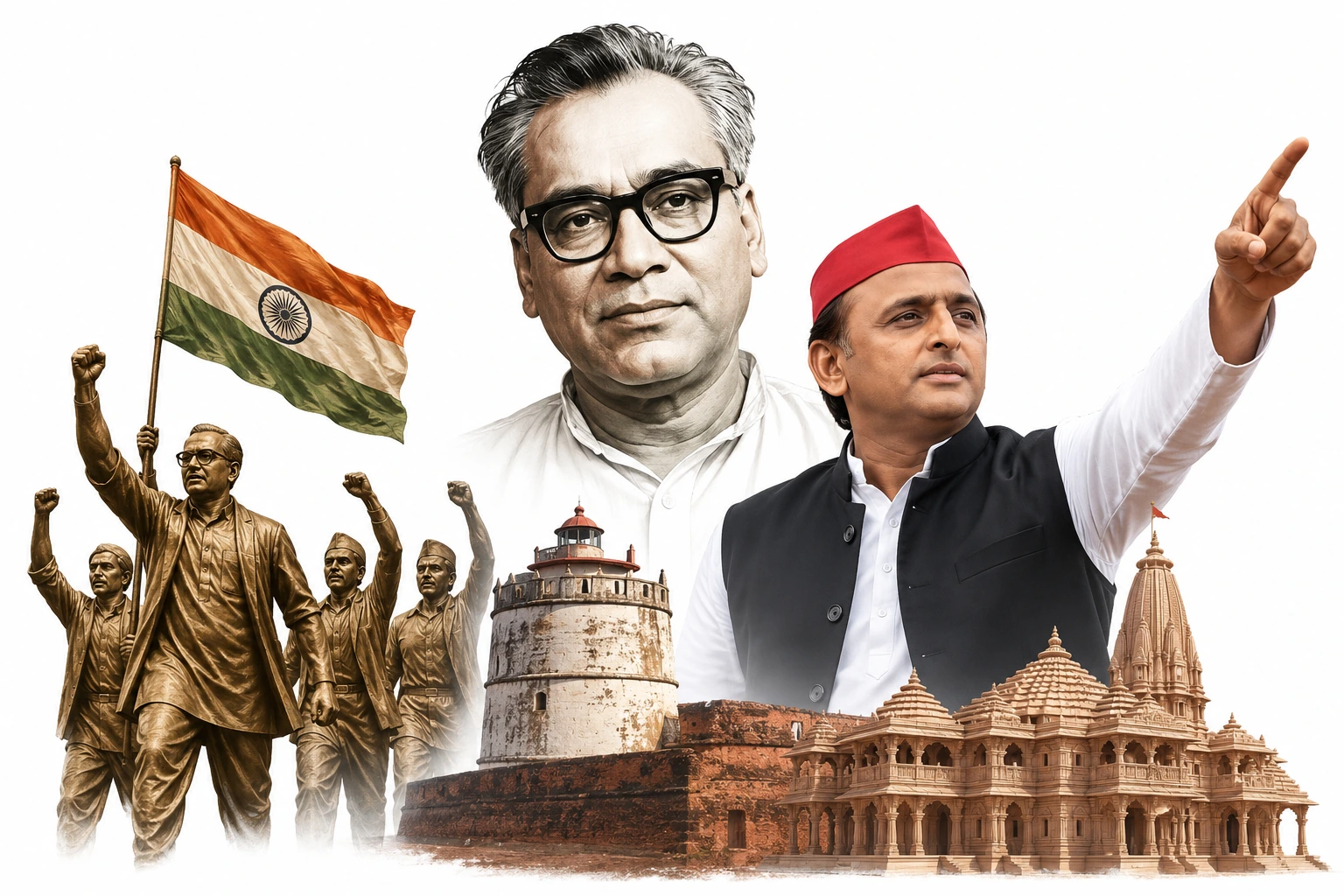
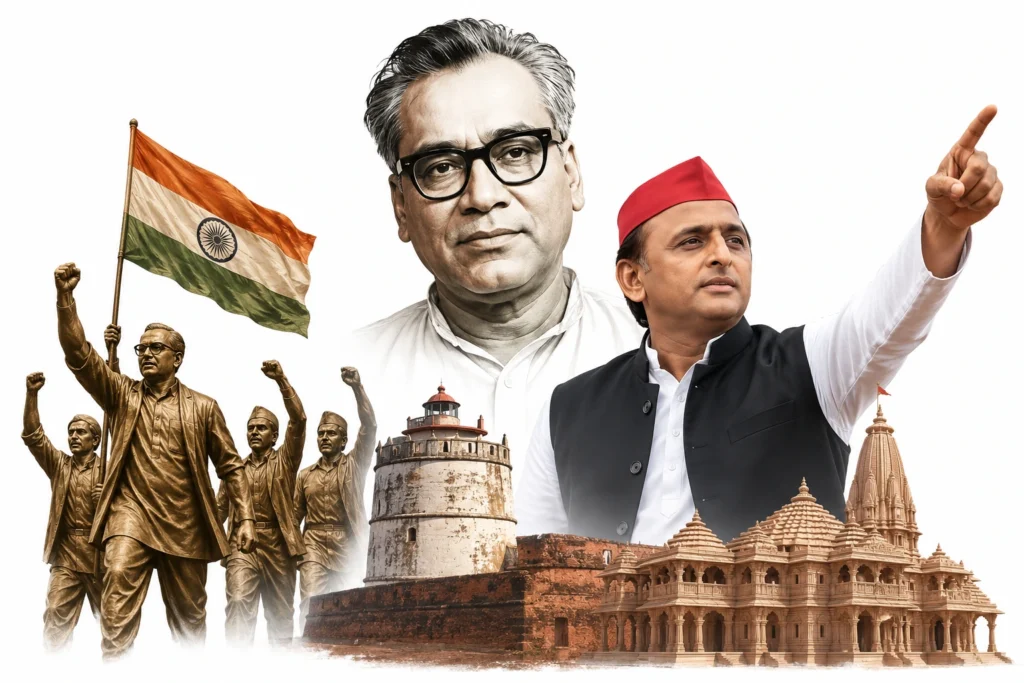
As India commemorates the sacrifices of the Goa Liberation Movement, the Samajwadi Party has once again drawn attention to the enduring legacy of socialist icon Dr. Ram Manohar Lohia, linking his struggle against colonial oppression to contemporary debates over democracy, accountability, and public trust. For more than 450 years, Goa remained under Portuguese rule, making it one of the longest-lasting colonial occupations in modern history. The turning point came on 18 June 1946, when Dr. Lohia launched a civil disobedience movement against Portuguese authorities, igniting a mass struggle for civil liberties and self-rule.
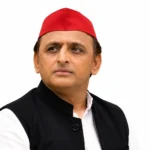
His arrest in Margao triggered widespread protests and transformed the demand for freedom into a powerful popular movement. Goa was eventually liberated on 19 December 1961 through military action by the Indian government, but many historians regard Lohia’s intervention as the catalyst that awakened political consciousness in the territory. Recalling this history, Samajwadi Party National President and former Uttar Pradesh Chief Minister Akhilesh Yadav has emphasized that socialists learned the courage to confront injustice “in the face of drawn guns” from Dr. Lohia himself. According to Yadav, Lohia’s commitment to civil resistance, democratic rights, and social justice continues to guide the party’s political vision.
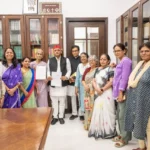
The party’s connection to Goa’s liberation struggle was reaffirmed in December 2023, when Rajendra Chaudhary, National Secretary of the Samajwadi Party and former Cabinet Minister, undertook a five-day visit to Goa at the invitation of Gandhian activist Kumar Kalanand Mani. During the visit, Chaudhary paid tribute at several historic sites associated with the liberation movement, including Aguada Central Jail, where Dr. Lohia was imprisoned following his arrest.
At Lohia Maidan in Margao, the site where Lohia addressed a public gathering before his detention—Chaudhary offered floral tributes and reflected on the socialist leader’s role in awakening Goa’s spirit of resistance. The heritage sites, including a commemorative plaque featuring the Preamble to the Constitution of India and a poem dedicated to Lohia by Goan writer Manohar Rai Sardesai, serve as reminders of a movement rooted in democratic aspirations and civil rights.
Drawing parallels between past struggles and present concerns, Akhilesh Yadav has sharpened his criticism of the BJP government over recent controversies in Ayodhya. He alleged that reports of irregularities involving temple donations and offerings have undermined public faith and adversely affected the livelihoods of local residents who depend on pilgrimage-related commerce. Yadav warned that growing public anger in Ayodhya reflects deeper concerns about governance, transparency, and accountability. Calling for regular updates on ongoing investigations and an independent inquiry into alleged irregularities, he argued that democratic institutions must remain responsive to public concerns.
The Samajwadi Party’s invocation of Lohia’s legacy underscores a broader political message: that the struggle against injustice, whether under colonial rule or within contemporary democratic institutions, remains an ongoing responsibility. As India remembers the sacrifices that led to Goa’s liberation, the ideals of civil resistance, public accountability, and social justice continue to shape the nation’s political discourse.