







BY MOHAMMAD TARIQUE SALEEM
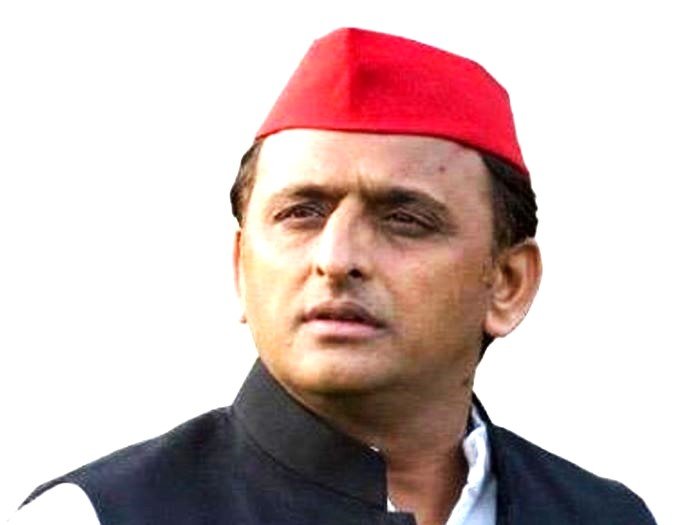
In a fresh political salvo, Akhilesh Yadav has stirred debate by claiming that the BJP is “losing badly” in West Bengal. Posting on his X account, the Samajwadi Party chief painted a picture of a party struggling to hold ground in a state where it has long tried to expand its influence. What makes his remark stand out is not just the criticism, but the tone of certainty behind it. According to Akhilesh Yadav, the BJP’s situation in Bengal is not just challenging, it is worsening with each passing day.
He suggested that, for the first time, the party appears to be bracing itself for what he called a “respectable defeat.” In simple terms, he implied that the BJP may already be lowering its expectations, a claim that adds a new layer to the ongoing political narrative in the state. But the statement didn’t stop at electoral predictions. Akhilesh Yadav also raised concerns about recent administrative moves in Bengal.
Referring to the transfer of police officers and Block Development Officers (BDOs), he alleged that these are not routine decisions. Instead, he described them as a form of “electoral manipulation,” hinting that such changes could influence the environment in which elections are conducted. This allegation taps into a broader and often sensitive issue in Indian politics, how administrative machinery is used during elections. By pointing to the “large-scale” reshuffling of officials, Akhilesh Yadav questioned whether the playing field remains level.
While such claims are common during politically charged periods, they often resonate with voters who are already wary of behind-the-scenes maneuvering. At the same time, his remarks also reflect the confidence opposition leaders have been expressing about Bengal’s political direction. The state has been a stronghold of regional politics, and the BJP’s aggressive push there in recent years has faced stiff resistance. By framing the situation as one where the BJP is preparing for defeat, Akhilesh Yadav sought to reinforce the idea that the momentum may still lie with local leadership.
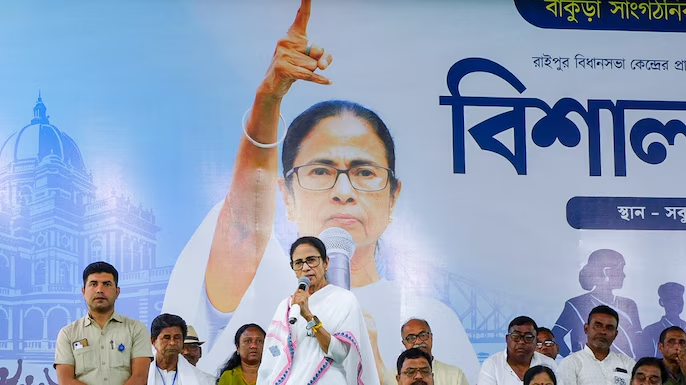
He ended his message on a clear and emphatic note: “Didi is here, and Didi will remain,” referring to Mamata Banerjee. The statement was more than just a slogan, it was a signal of political alignment and a nod to Banerjee’s enduring presence in Bengal’s politics. As election season heats up, such statements are likely to become more frequent and more pointed. Whether they reflect ground reality or political strategy, they certainly shape the conversation, and in a state like West Bengal, that conversation is as intense as ever.



