




BY MOHAMMAD TARIQUE SALEEM
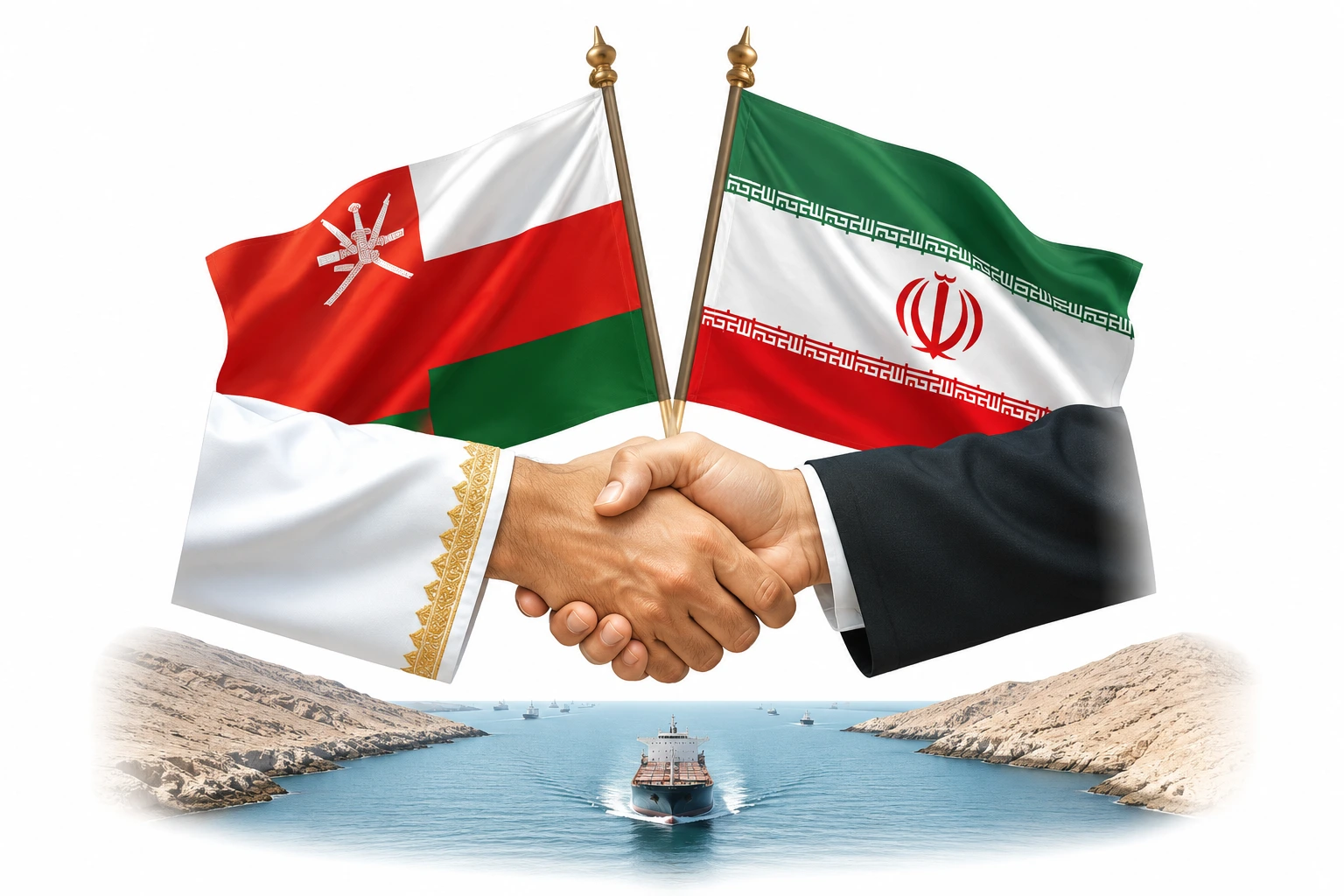
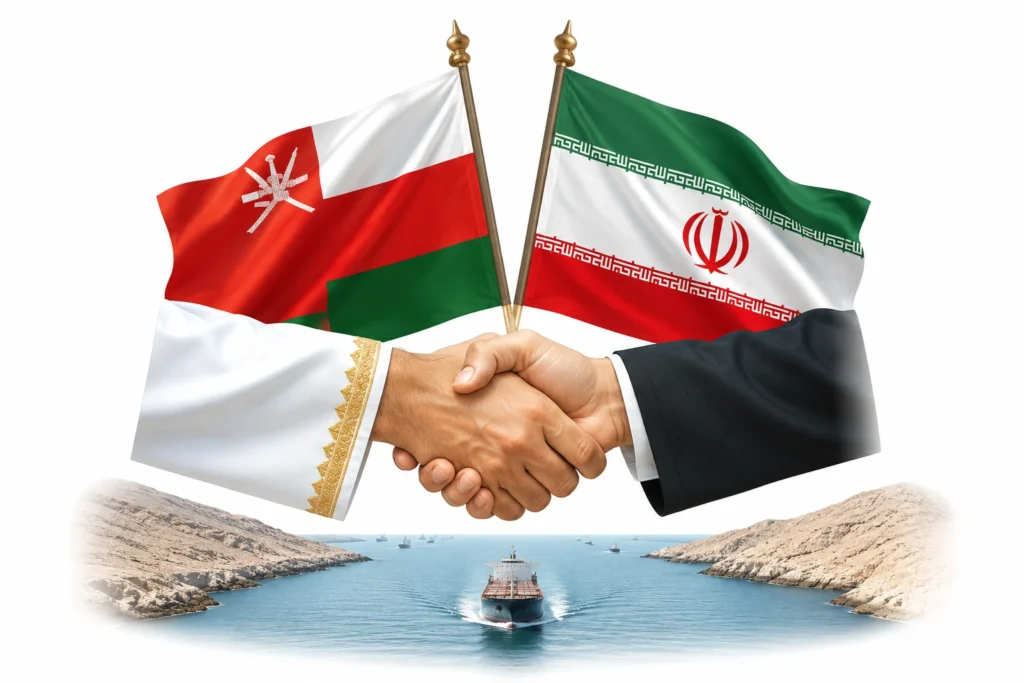
In a key diplomatic meeting in Muscat, the Sultanate of Oman and the Islamic Republic of Iran have advanced their partnership through high-level discussions. The visit by H.E. Dr. Mohammad Bagher Ghalibaf, Speaker of the Islamic Consultative Assembly of Iran, and H.E. Dr. Abbas Araghchi, Iran’s Minister of Foreign Affairs, highlighted a shared commitment to stability and dialogue in a vital region.
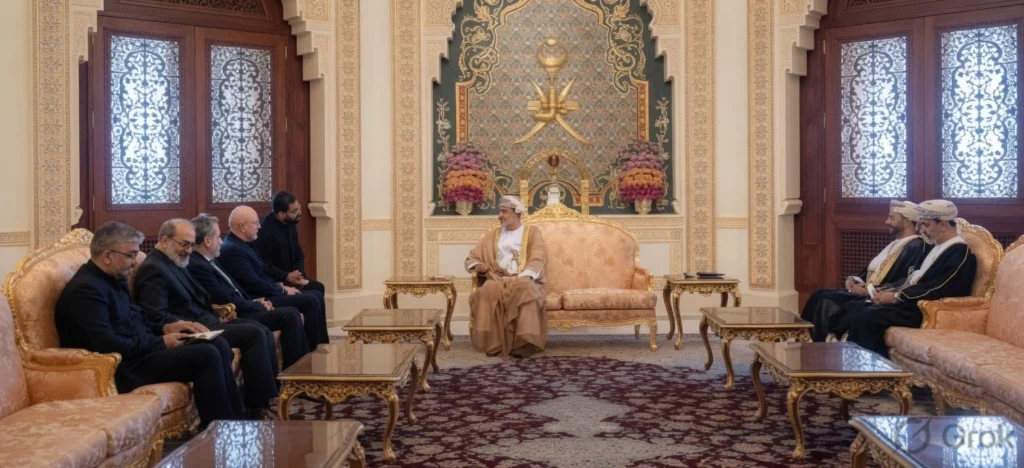
The Iranian delegation was received by His Majesty Sultan Haitham bin Tarik and held productive talks with H.E. Sayyid Badr Albusaidi, Oman’s Foreign Minister. These engagements produced important agreements focused on mutual respect and practical cooperation. Oman reaffirmed its strong support for the Islamabad Memorandum of Understanding signed between the United States and Iran. Both countries stressed the need for continued dialogue and coordination to ensure its successful implementation.
Oman’s backing as a respected regional mediator gives this agreement greater credibility and momentum. As the two coastal states bordering the Strait of Hormuz, Oman and Iran reaffirmed their commitment to safe passage through this critical waterway, in line with international law. They also emphasized their sovereignty and sovereign rights over their territorial waters. The two sides held detailed discussions on the future of the Strait in accordance with the Islamabad Memorandum.
They agreed to form a joint working group between their foreign ministries to address the administration of navigation, the services to be provided, and the associated costs, all in line with international standards. They further committed to engaging with other littoral states in the region and any relevant international parties. Crucially, both nations made it clear that all future arrangements for the Strait of Hormuz must fully respect the sovereignty and sovereign rights of the two coastal states.
Oman and Iran reiterated their joint goal of keeping the Strait of Hormuz as a secure and open waterway for international navigation. They emphasized continued cooperation to enhance maritime safety, freedom of navigation, and overall regional stability. This meeting comes at an important time for the region. The Strait of Hormuz carries nearly one-fifth of the world’s oil trade, making its stability essential for global energy security and economic prosperity. By choosing dialogue over tension, the two countries are setting a positive example for the wider Middle East.
The establishment of a dedicated joint working group shows a serious, action-oriented approach. It moves beyond statements into concrete steps for managing this shared strategic asset responsibly. Oman’s long-standing role as a balanced and trusted mediator, combined with Iran’s engagement on these issues, offers hope for reduced tensions and greater predictability in one of the world’s most sensitive maritime zones. This Muscat summit demonstrates that patient diplomacy and mutual respect can deliver real progress on complex challenges.