




BY MOHAMMAD TARIQUE SALEEM
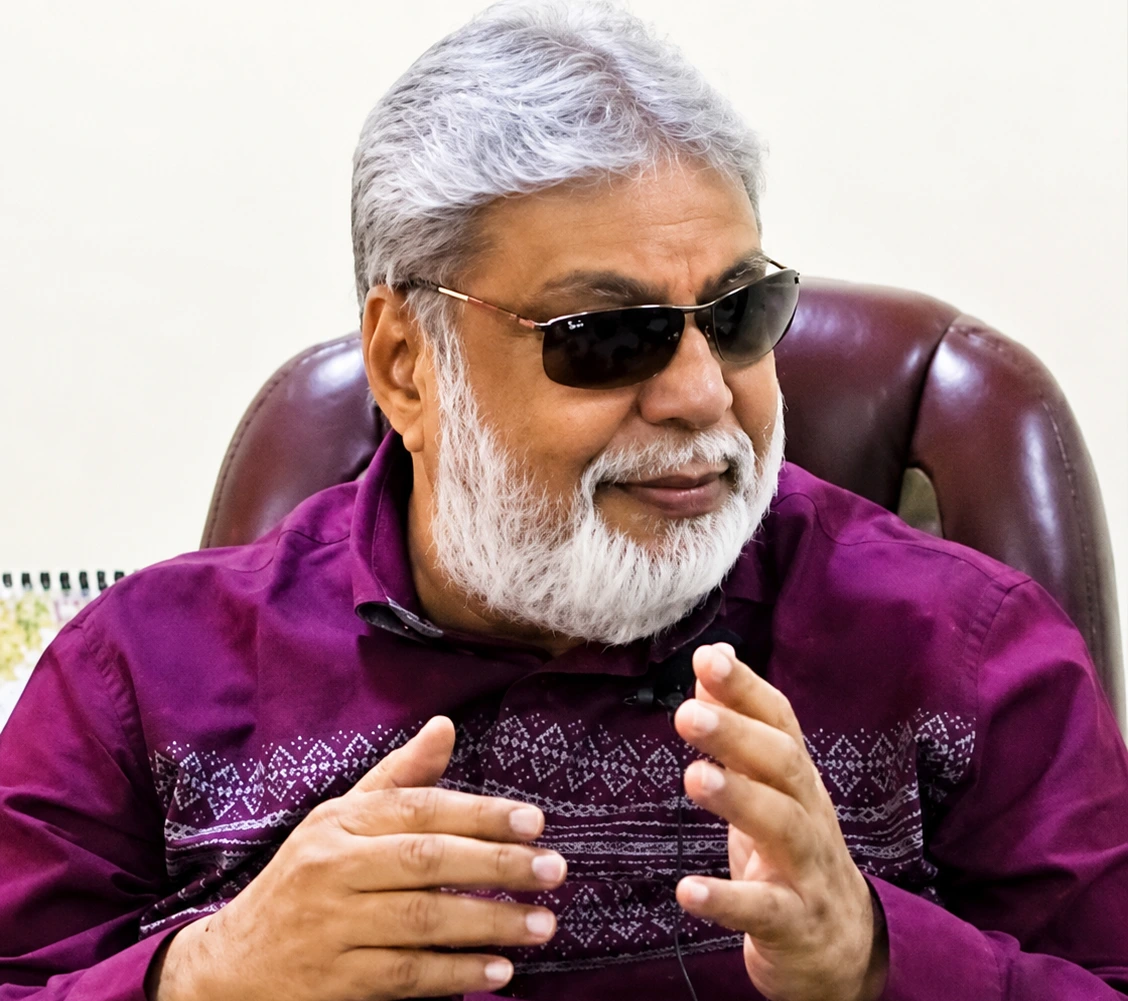
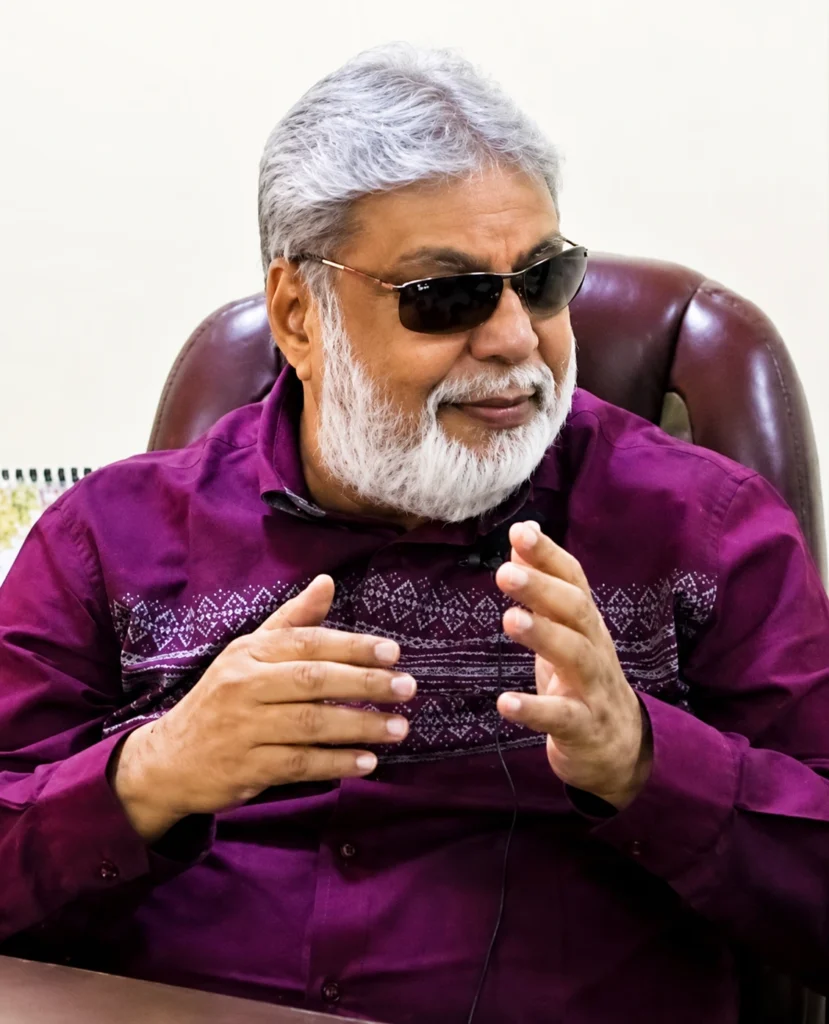
Social activist Nuruddin Naik draws attention to a stark contrast in educational support systems. In many European countries, education up to the higher secondary level is completely free, while students are also provided with healthy and hygienic meals at school each day. This dual support helps ensure that poverty does not prevent children from attending school and that every student receives the nutrition essential for learning, healthy growth and better concentration.
India, by contrast, continues to face challenges on both fronts, despite long-standing initiatives such as the Sarva Shiksha Abhiyan and the Mid-Day Meal Programme. The contrast raises important questions about the need to further strengthen public education and nutritional support so that every child, regardless of economic background, has a genuine opportunity to learn and thrive.
Hidden costs, books, uniforms, transport and private tuition, still make schooling unaffordable for many families below the poverty line. As a result, large numbers of children drop out before completing school or college. At the same time, the meals provided under existing schemes are frequently inadequate in quantity, quality, hygiene and caloric value. Many children therefore arrive at school hungry or leave without the nourishment needed to focus and thrive.
Education and health form the foundation of a strong nation. When children are well-fed and free from financial pressure, attendance rises, learning outcomes improve and the inter-generational cycle of poverty begins to break. India currently spends only about 2.5 per cent of its budget on education, far below the recommended 6 per cent. Even the allocated funds are often poorly utilised. Raising the allocation and ensuring transparent spending must therefore become a national priority.
Practical steps are clear. Truly free education up to Class 12 should cover tuition, textbooks, uniforms and transport, at least for BPL families. The Mid-Day Meal Scheme needs thorough upgrading, meals must be hygienically prepared, nutritionally balanced and regularly audited with community oversight. India’s curriculum also requires modernisation. Age-old rote methods should give way to critical thinking, and practical workshops in carpentry, mechanics, electronics and other creative skills should be introduced so that every child develops both intellect and hands-on competence.
A high-powered, non-political committee of qualified and honest citizens should be constituted to survey government schools, colleges and institutes across the country, document deficiencies and present findings to the Union Cabinet and all Chief Ministers. After nearly eight decades of independence, India still grapples with inadequate education, unsafe water, poor infrastructure, corruption and food adulteration.
Gen Z and Generation Alpha are already on the streets demanding reforms. Their energy must be channelled into constructive change. People are any nation’s most precious resource. With more than 40 per cent of India’s population young, the future of the country rests in their hands. Investing in their free, quality education and daily nutrition today is the surest investment in India’s tomorrow. Padhega India toh Badhega India.



