



BY MOHAMMAD TARIQUE SALEEM
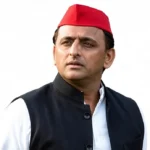
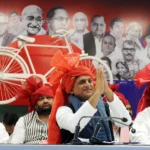
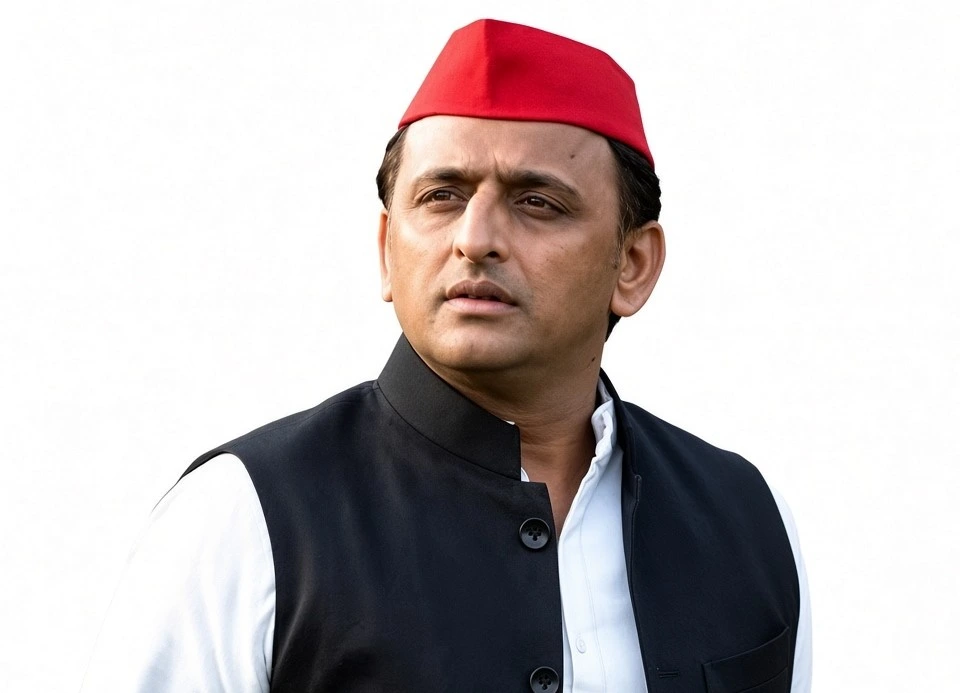
A quiet but powerful political wave is gathering force across Uttar Pradesh. At its centre stands Akhilesh Yadav, the Samajwadi Party president and former Chief Minister whose record of high-tech, people-centric governance continues to set him apart. As the state looks toward the 2027 Assembly elections, a growing section of voters sees in him the rare combination of youthful energy, technological foresight, and proven developmental vision that no Chief Minister of Uttar Pradesh has matched in recent decades.
When Akhilesh Yadav took charge in 2012 at the age of 38, he became the youngest Chief Minister in the state’s history. What followed was not incremental change but a decisive shift toward modern infrastructure and inclusive welfare. The Agra-Lucknow Expressway, completed in record time, remains a landmark of efficient project delivery. The Lucknow Metro, operationalised as one of India’s fastest-built metro systems, transformed urban mobility.
The IT City in Lucknow, the international cricket stadium, Janeshwar Mishra Park (Asia’s largest urban park), and a major expansion of power generation capacity all reflected a clear priority: connect Uttar Pradesh to the future rather than leave it trapped in the past. These were not isolated showpieces. Under his leadership, over 15 lakh free laptops were distributed to students, one of the largest such programmes in the world, empowering an entire generation with digital tools.
Schemes such as Kanya Vidya Dhan, Lohia Awas Yojana, unemployment allowances, and farmer insurance programmes brought tangible relief to the poor, women, and cultivators. The 1090 Women’s Power Line and 108 ambulance services demonstrated an early understanding that technology must serve the most vulnerable first. Power projects worth tens of thousands of crores were initiated, and the state recorded significant progress in milk production and rural connectivity.
What distinguishes Akhilesh Yadav is not merely the list of projects but the mindset behind them. Educated and forward-looking, he has consistently spoken the language of technology, startups, artificial intelligence, and digital inclusion. Even in opposition, he continues to articulate a vision for bridging the digital divide, creating ecosystems for youth entrepreneurship, and deploying modern tools for better governance in agriculture, healthcare, and public services.
This is the profile of a leader who understands that Uttar Pradesh’s greatest asset, its young population, needs opportunity, not rhetoric. If he may come in power, he has a lot to do. The unfinished agenda of deeper digital connectivity in villages, large-scale skill development for the next generation, expansion of IT and AI hubs beyond Lucknow, stronger support for farmers through technology, and creating millions of quality jobs still awaits a leader with his proven track record and far-sighted approach.
Comparisons with previous Chief Ministers only highlight the difference. While earlier regimes focused largely on political consolidation or traditional welfare, Akhilesh Yadav placed infrastructure, education, and technology at the centre of governance. His tenure showed that large-scale projects could be delivered without endless delays, that welfare could be paired with aspiration, and that a young leader could speak the language of both the farmer and the software engineer.
Today, as Uttar Pradesh stands at another electoral crossroads, the memory of that developmental momentum has not faded. The political wave for Akhilesh Yadav is not built on nostalgia alone; it rests on the concrete evidence of what a high-tech, visionary, and farsighted leadership can achieve. His achievements still speak louder than slogans. In 2027, many believe, Uttar Pradesh will once again place its trust in the leader who first showed the state how to move faster into the future.