

BY MOHAMMAD TARIQUE SALEEM
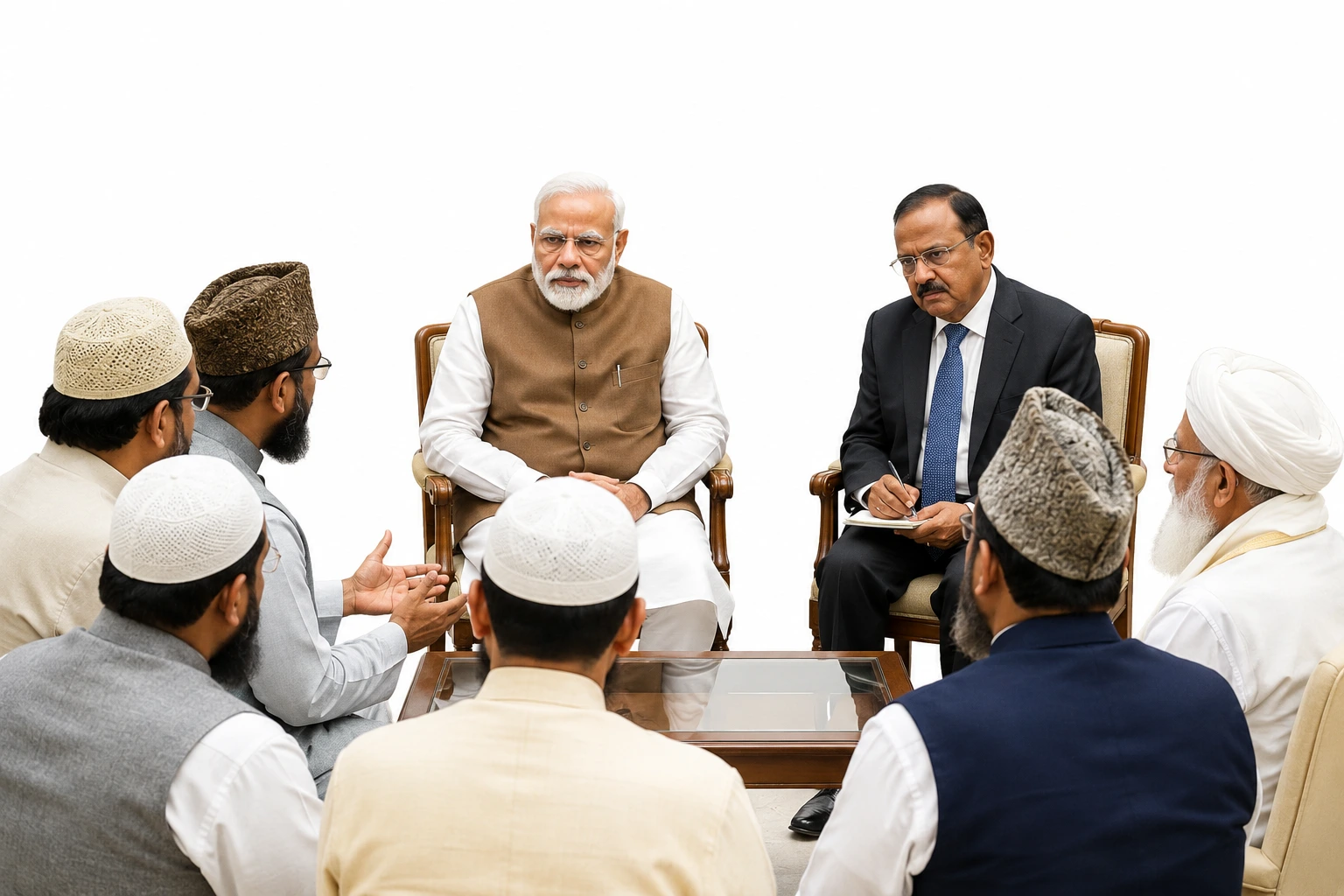
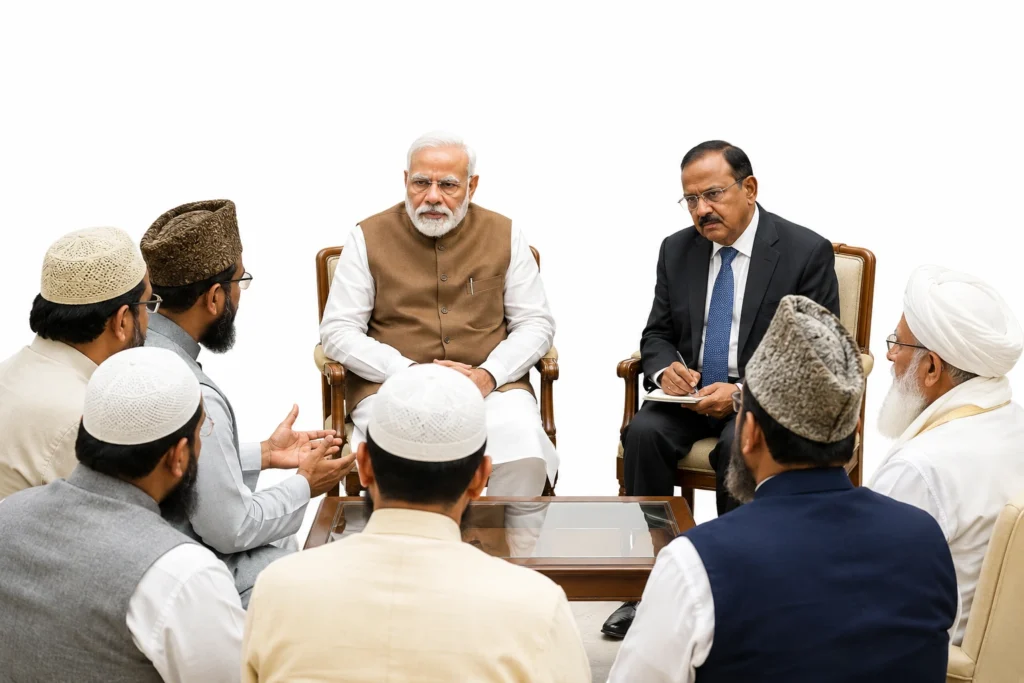
Amid growing concerns over hate speech, communal polarization, and the increasing sense of insecurity among sections of India’s Muslim population, social activist Noor Naik has issued an open letter seeking transparency regarding a recent meeting between a Muslim delegation and Prime Minister Narendra Modi and National Security Advisor Ajit Doval.
The letter, addressed both to the Indian Muslim community and the distinguished members of the delegation that met the Prime Minister and NSA on June 10, 2026, raises important questions about the outcomes of the high-level interaction. While acknowledging the stature and credibility of the approximately 15 prominent Muslim representatives who participated in the meeting, Naik emphasized that ordinary citizens remain unaware of what was discussed and what assurances, if any, were provided by the government.
“We write this letter with deep anguish but also with hope,” Naik stated, highlighting what he described as a disturbing rise in hate speeches, targeted misinformation campaigns, and incidents of Islamophobia in different parts of the country. According to the letter, anti-Muslim narratives have increasingly found space across social media platforms, public gatherings, and televised debates, creating an atmosphere of suspicion and division.
The open letter calls for greater transparency from the delegation, urging its members to publicly share the agenda of the meeting, any memorandum submitted to the government, and the commitments received from the Prime Minister’s Office and the National Security establishment. Naik argued that transparency would strengthen trust between community representatives and the people they seek to represent.
One of the key concerns highlighted in the letter is the gap between high-level discussions and the realities experienced by many Muslims on the ground. It notes reports from several states of social boycotts, economic exclusion, discrimination, and fear associated with practicing religious traditions openly. The letter stresses that Islamophobia is no longer merely a theoretical concept but a lived experience for many families across the country.
At the same time, the appeal remains firmly rooted in democratic values and constitutional principles. Rather than promoting confrontation, the letter calls for constructive engagement between the government and citizens. It urges Prime Minister Modi and NSA Ajit Doval to take visible and impartial action against hate speech, regardless of the identity or political affiliation of those responsible.
The appeal also references the Prime Minister’s vision of “Sabka Saath, Sabka Vikas, Sabka Vishwas,” arguing that the principle can only be strengthened through consistent enforcement of the law and public messaging that promotes unity and mutual respect. It further advocates for broader consultations that include civil society organizations, youth leaders, academics, and affected citizens alongside established community representatives.
Naik reaffirmed the Indian Muslim community’s commitment to the Constitution, peace, and national development. “Hatred cannot be the future of India,” the letter states, expressing hope that greater transparency and inclusive dialogue will help build a society where every citizen enjoys dignity, security, and equal respect irrespective of faith. As debates around communal harmony continue, the open letter has added a new dimension to the conversation, placing transparency, accountability, and national unity at the center of public discourse.