



ARABIAN TIMES NEWS NETWORK
South Africa’s higher education sector has emerged as one of the country’s greatest strategic strengths, earning international recognition for academic excellence, groundbreaking research and its contribution to national development. As the nation strives for inclusive economic growth and sustainable progress, its universities are demonstrating that investment in knowledge is an investment in South Africa’s future.
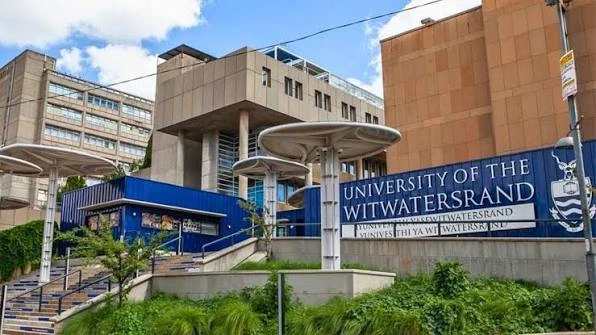
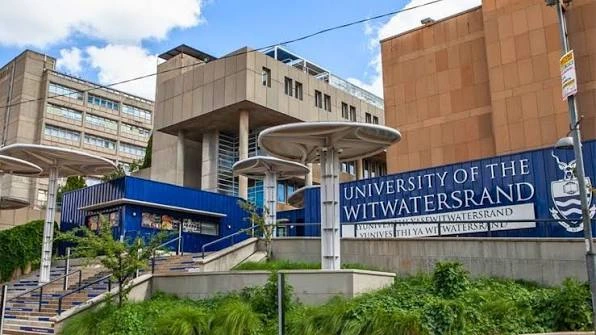
The country’s leading institutions consistently rank among the world’s best, reflecting the quality of teaching, research and graduate outcomes. In the 2026 Centre for World University Rankings (CWUR), the University of the Witwatersrand was named Africa’s top university, recognised for excellence in research, faculty performance and graduate employability. Meanwhile, the University of Cape Town continues to strengthen its global reputation through outstanding performances in the QS World University Rankings and the US News & World Report Best Global Universities rankings.
Beyond rankings, South African universities are making meaningful contributions to solving some of the world’s most pressing challenges. Wits University’s renowned vaccinologist, Professor Shabir A. Madhi, will receive the prestigious 2026 Maxwell Finland Award for Scientific Achievement, highlighting South Africa’s leadership in infectious disease research and vaccine development.
Across the country, researchers are advancing innovation in critical sectors. The University of KwaZulu-Natal is leading Africa’s first HIV cure trial, while also developing advanced technologies to improve water quality. Stellenbosch University is driving research in renewable energy, biotechnology, agriculture and food security, translating scientific discoveries into practical solutions that strengthen economic resilience.
Similarly, the University of Pretoria is making significant advances in artificial intelligence, veterinary science and agricultural innovation, contributing to disease prevention, food security and technological progress. At UCT, researchers continue to shape South Africa’s energy transition through evidence-based policy research while pioneering cancer studies that could improve early detection and treatment worldwide.
The University of South Africa further demonstrates the importance of accessible education, producing more than 550 doctoral graduates in 2025 and strengthening the nation’s research capacity. South Africa’s growing global influence in higher education will receive further recognition when UCT hosts the Times Higher Education World Academic Summit from September 29 to October 1, 2026—the first time the prestigious event will be held in Africa. The summit will showcase the continent’s academic excellence and position South African scholarship at the forefront of global discussions on innovation and sustainable development.
Inspired by the vision of Nelson Mandela, who viewed education as the foundation of equality and opportunity, South Africa’s universities continue to nurture talent, expand knowledge and develop solutions that benefit both the nation and the world. Their achievements reflect not only institutional excellence but also South Africa’s growing capacity to lead through innovation, research and intellectual strength.