





BY MOHAMMAD TARIQUE SALEEM
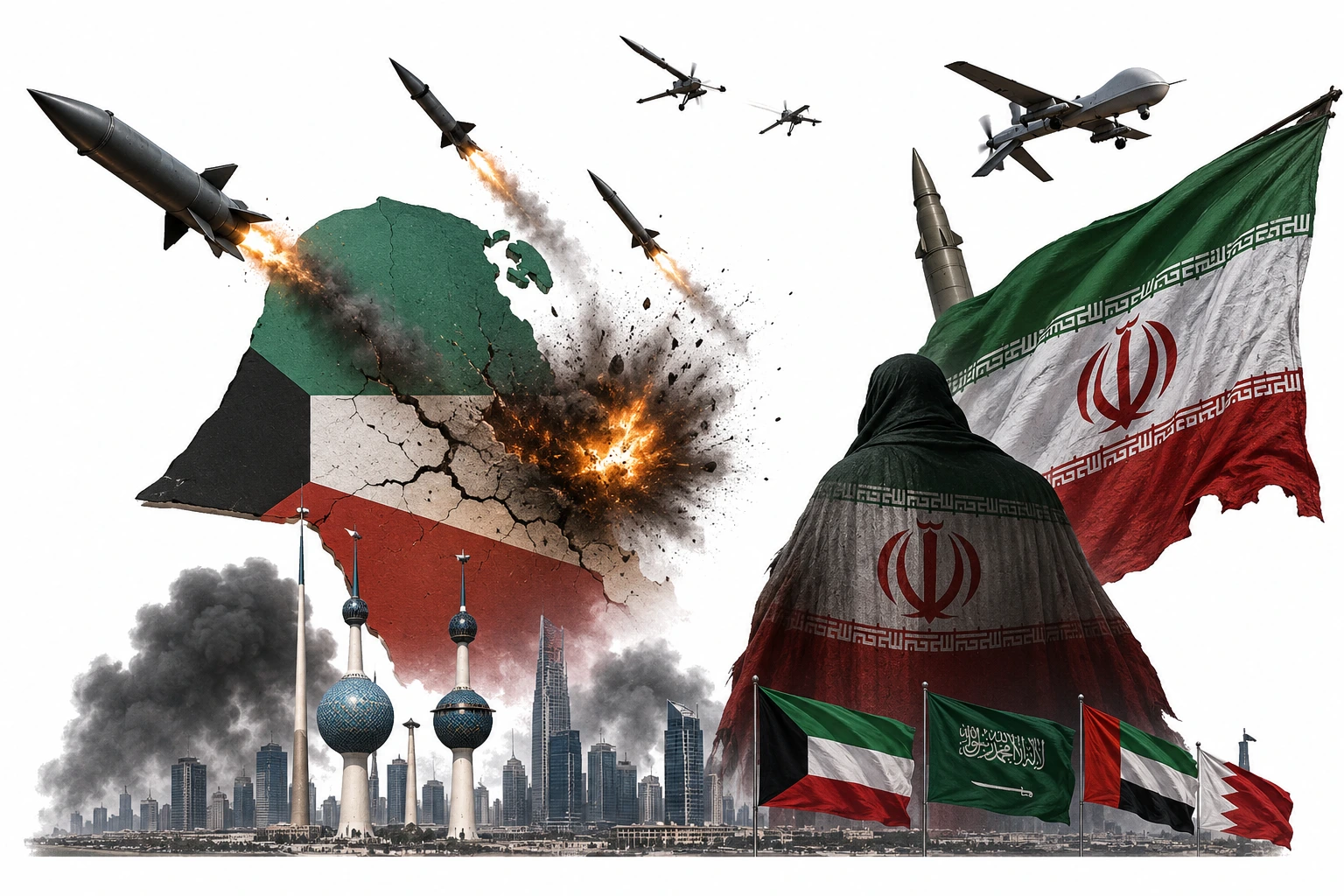
In a brazen display of aggression, Iran’s missile and drone strikes on Kuwait on June 28, 2026, have once again exposed Tehran’s dangerous disregard for regional stability. While claiming self-defense against U.S. actions, Iran deliberately targeted a sovereign neighbor, shattering any remaining illusion of brotherhood among Muslim nations. This is not resistance, it is reckless bullying. For years, Iran has postured as the champion of Palestine, yet remained largely absent as Israel devastated Gaza. Its support surfaced only after the worst destruction. Today, Sunni Gulf states, Kuwait, Saudi Arabia, UAE, and Bahrain, live in fear. If they loosen ties with America, who will shield them from Iran’s brutal ambitions? The Middle East is now trapped in a perilous dilemma.
The reported Iranian drone and missile strikes on Kuwait and Bahrain, launched on June 28, 2026, in retaliation for U.S. airstrikes, mark a troubling escalation in an already volatile Middle East. While Iran frames these actions as defensive responses to external aggression, the targeting of sovereign Gulf states, particularly Kuwait, which hosts significant U.S. military facilities, represents a dangerous precedent that undermines regional stability, erodes trust among neighbors, and prioritizes narrow strategic calculations over broader Muslim solidarity. This incident cannot be viewed in isolation. It highlights a pattern in Iranian foreign policy that many observers in the Arab world perceive as selective and self-serving. Iran has long positioned itself as a steadfast defender of the Palestinian cause and a bulwark against Israeli actions.
Yet, questions persist about the timing and consistency of this support. During the intense phases of conflict in Gaza, where Palestinian civilians endured immense suffering and infrastructure was devastated, Iran’s military and proxy resources appeared more focused on advancing its own axis of influence than on providing decisive, early intervention to shield Sunni Arab populations. Only after significant destruction had occurred did Tehran amplify its rhetorical and operational stance in support of Palestine. Such selectivity raises legitimate concerns: does Iran’s regional posture genuinely champion all Muslims, or does it primarily safeguard Shia communities and advance geopolitical interests?
This perception of conditional solidarity extends beyond Palestine. Sunni-majority Gulf states, including Kuwait, Saudi Arabia, the United Arab Emirates, and Bahrain, have expressed deep apprehension. These nations have invested heavily in economic diversification, infrastructure, and citizen welfare, aspiring to stability amid global energy transitions. Iran’s willingness to strike neighbors hosting U.S. bases, intercepted in Kuwait with no reported casualties but causing damage in Bahrain, fuels fears that Tehran may resort to brute force when its core interests are challenged. If Gulf states were to substantially reduce reliance on American security partnerships, as some domestic voices occasionally advocate, the question arises: who would deter potential aggression from a more assertive Iran? The attacks underscore the vulnerability of smaller states caught in great-power rivalries.
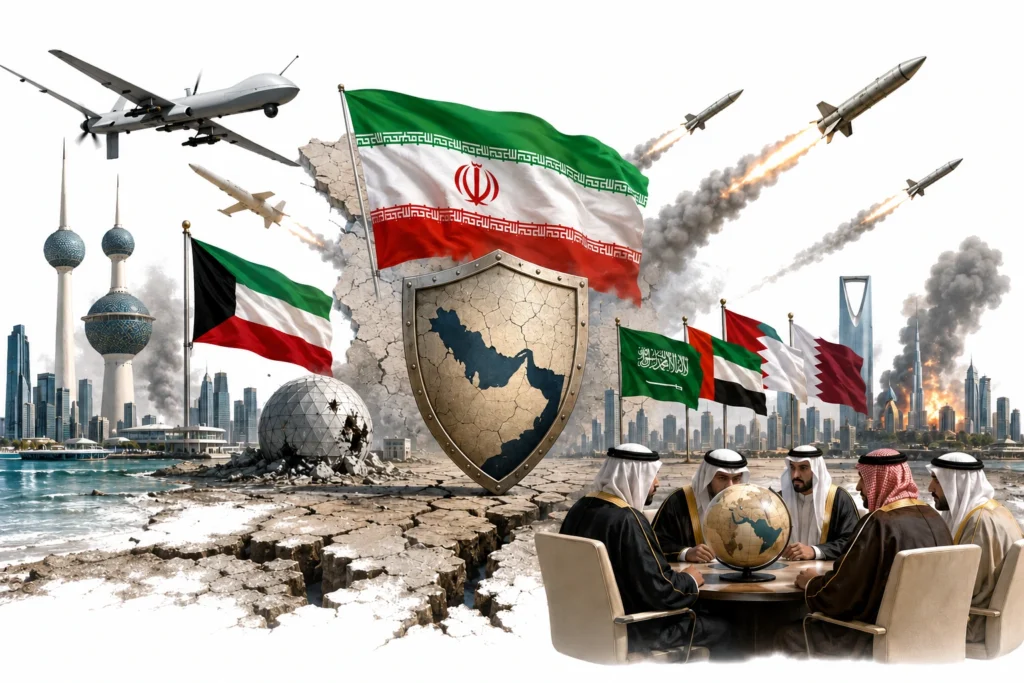
The Gulf Cooperation Council (GCC) countries now face a profound strategic dilemma. Decades of balancing relations with Western allies, particularly the United States, have provided a deterrent umbrella against external threats. However, these partnerships invite criticism and retaliation, as seen in the latest strikes. Distancing from Washington carries its own perils: without a credible alternative guarantor of territorial integrity, Gulf monarchies risk exposure to a more confrontational Iran. This bind reflects the broader Middle Eastern quandary, nations seeking prosperity and autonomy are compelled to navigate between competing powers, where neutrality proves elusive and hedging strategies carry escalating costs.
Critics argue that Iran’s approach reveals a prioritization of its Shia-led “resistance axis” over pan-Islamic unity. While Tehran decries external interventions, its own actions, firing missiles toward Gulf targets, directly imperil Sunni Arab civilians and economies. This duality undermines Tehran’s moral authority when invoking Muslim brotherhood. True regional leadership would involve consistent protection of vulnerable populations regardless of sect, rather than reactive posturing after crises peak. The Gulf states’ fears are not unfounded; repeated incidents have heightened security concerns and complicated efforts at de-escalation and economic integration.
The Middle East stands at a crossroads. Arab governments prioritize stability, diversification away from oil dependency, and inclusive growth. Yet, cycles of military brinkmanship, whether from Iran, Israel, or proxies, hinder these goals. The Iranian strikes on Kuwait exemplify how retaliation can spill across borders, endangering innocents and disrupting global energy flows. Respect for sovereignty and international norms must supersede proxy conflicts and sectarian calculations. Every actor, including Iran, bears responsibility for actions that destabilize neighbors and threaten civilian lives.
Diplomatic engagement, confidence-building measures, and mutual restraint offer the only viable path forward. The GCC states have demonstrated resilience and a preference for dialogue, even as they strengthen defenses. Iran, too, would benefit from recognizing that sustainable influence stems from economic partnerships and trust, not missiles. The region cannot endure perpetual fear; millions deserve a future defined by cooperation, not confrontation. Only through accountable statecraft and inclusive security frameworks can the Middle East transcend its current dilemmas and unlock its potential for peace and prosperity.



