





Rahul Sonkar
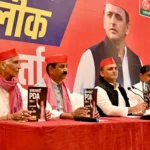
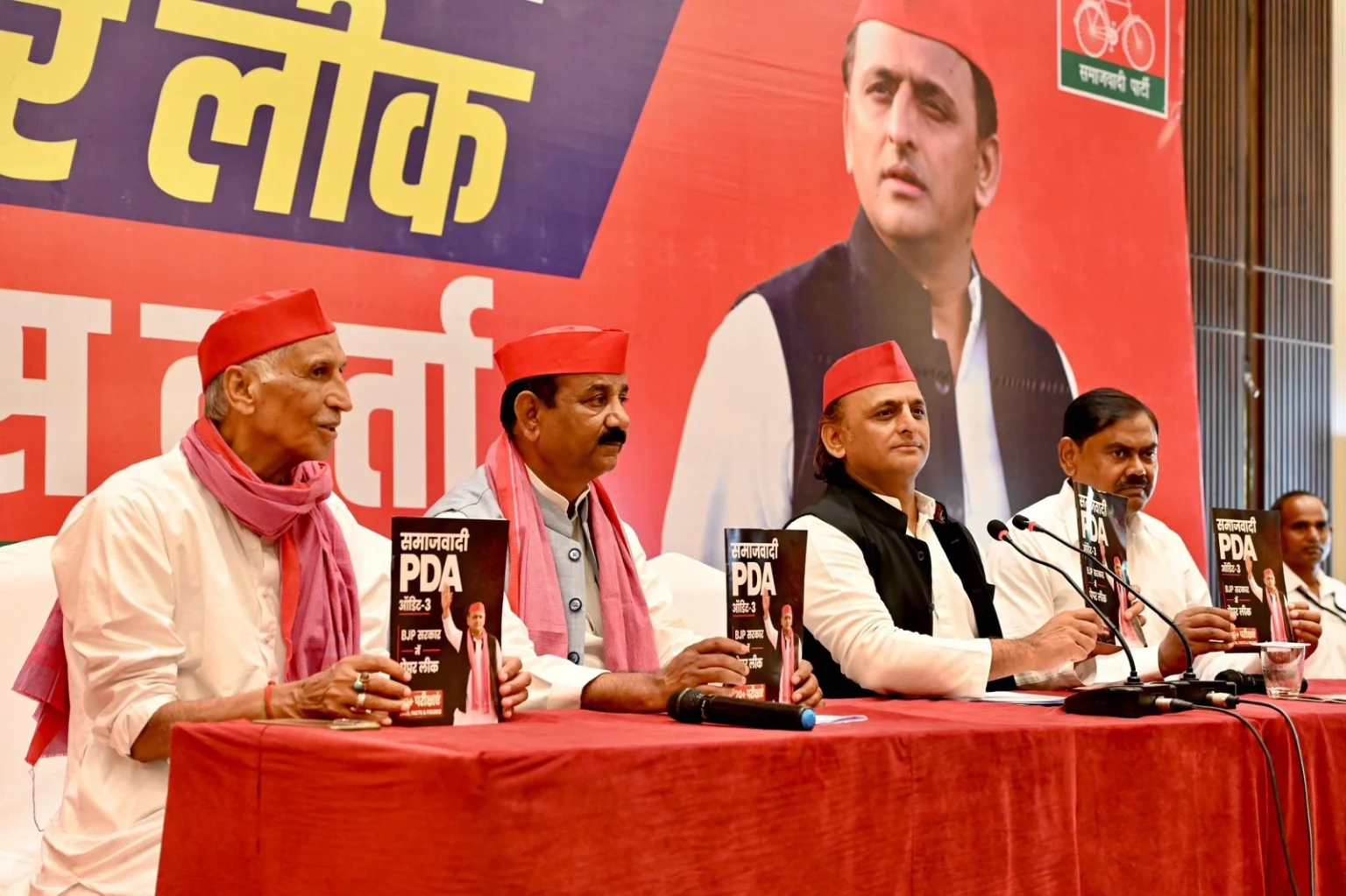
The political battle between the Samajwadi Party (SP) and the Bharatiya Janata Party (BJP) intensified on Sunday as SP National President and former Uttar Pradesh Chief Minister Akhilesh Yadav launched a scathing attack on the state government over recruitment, reservation, and governance. Addressing a press conference in Prayagraj, Yadav accused the BJP of denying constitutional rights to marginalized communities, mishandling recruitment processes, and failing to safeguard the interests of young job aspirants. He also raised concerns over alleged corruption, law and order, and administrative accountability, presenting these issues as key challenges facing the state.
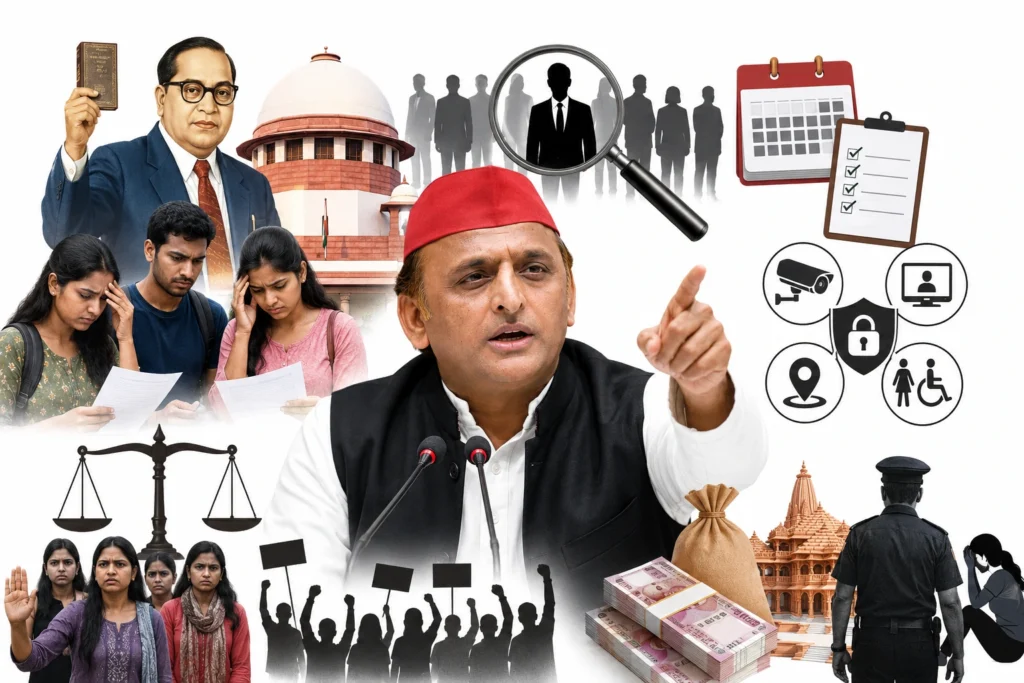
One of Yadav’s primary allegations was that the BJP government had systematically manipulated reservation policies in government recruitment. Referring to the Constitution framed by Dr. B.R. Ambedkar, he claimed that the government had failed to provide marginalized communities with their rightful share of opportunities and dignity. He specifically cited the 69,000 Assistant Teacher Recruitment of 2019, alleging that Other Backward Classes (OBCs), Scheduled Castes (SCs), and Scheduled Tribes (STs) received significantly lower reservation benefits than mandated.
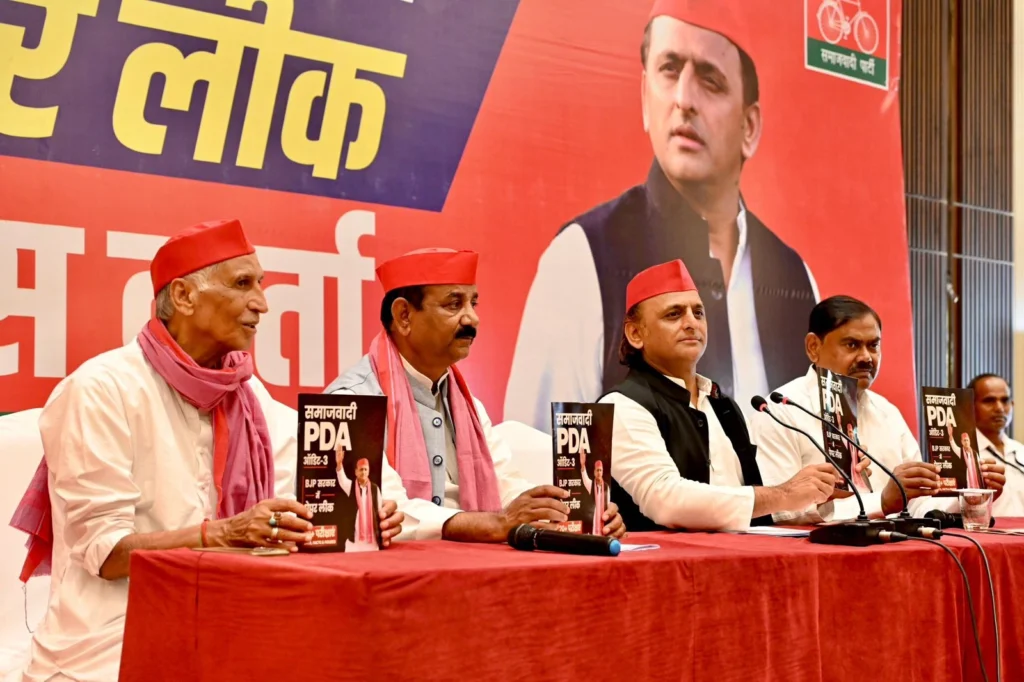
According to him, the Samajwadi Party had released a “PDA Audit Booklet” documenting alleged irregularities in 22 recruitment examinations, but the government had not responded to these claims. Employment and youth welfare formed another major part of Yadav’s criticism. He accused the BJP government of repeatedly failing to conduct fair recruitment examinations, pointing to multiple instances of question paper leaks in Uttar Pradesh and other states. He listed examinations for police recruitment, engineering posts, teacher eligibility tests, board examinations, and other competitive recruitment processes that were allegedly compromised.
Yadav argued that these repeated lapses had delayed appointments, caused uncertainty among candidates, and deprived many aspirants of opportunities as they crossed the maximum age limit for recruitment. Highlighting his party’s proposed reforms, Yadav promised that a future Samajwadi Party government would grant a three-year age relaxation to candidates who lost opportunities due to paper leaks or administrative delays. He also proposed introducing an annual recruitment calendar with fixed timelines for notifications, examinations, and appointments.
Other measures included allocating examination centres within or near candidates’ home districts, prioritizing women and differently-abled candidates for home-district centres, strengthening examination security through CCTV surveillance and digital tracking, and ensuring strict punishment for those involved in paper leaks through fast-track courts. He further assured that candidates would not be charged examination fees again if a government-conducted examination was cancelled due to administrative failures.
The former Chief Minister also raised allegations of corruption related to Ayodhya, including reports of irregularities involving temple donations. He claimed that such incidents hurt public faith and accused the BJP of avoiding accountability. Yadav argued that people were demanding transparency regarding public funds and religious donations, asserting that the government had failed to provide satisfactory answers. On governance, Yadav accused the BJP administration of presiding over rising corruption, deteriorating law and order, and increasing crimes against women.
He alleged that political interference in policing had weakened the criminal justice system and referred to concerns over alleged fake police encounters and judicial criticism of the government’s functioning. He also cited inflation, unemployment, and administrative corruption as evidence of what he described as the government’s overall failure. Akhilesh Yadav reiterated the Samajwadi Party’s commitment to social justice, constitutional values, and inclusive governance.
He asserted that his party aimed to build a government representing all sections of society while prioritizing employment, transparent recruitment, and equal opportunities. He also reaffirmed that the INDIA alliance remained united and would continue strengthening its coordination ahead of future political challenges. Overall, Yadav’s press conference sought to position the Samajwadi Party as an alternative focused on accountability, employment reforms, and the protection of constitutional rights.



