






BY MOHAMMAD TARIQUE SALEEM
The Directorate General of Health Services in Al Dakhiliyah Governorate organised on Sunday at Oman Across Ages Museum in the Wilayat of Manah, the second forum to enhance school health programs titled “Ta’zeez” (Enhancement). The programme aims at disseminating a culture of quality and innovation in school health services, motivating health cadres to provide practical initiatives and solutions contributing to the development of health programs, and strengthening partnership and integration between the health and education sectors to serve students’ health and provide a safe and healthy school environment.
The forum was held under the auspices of Dr. Ahmed Salim Al Mandhari, Undersecretary of the Ministry of Health for Health Planning and Regulation. The Undersecretary of the Ministry of Health for Health Planning and Regulation stated that the development and improvement initiatives showcased at the accompanying exhibition of the forum in its second edition in Al Dakhiliyah Governorate reflect the level of cooperation and integration between the health and education sectors and various government and private institutions, contributing to enhancing health awareness and providing a safe and healthy school environment for students.
He added that these initiatives contribute to consolidating the concept of prevention and health promotion as a primary priority, alongside focusing on addressing medical conditions when they occur, emphasising that maintaining health is a shared responsibility not limited to health sector workers, but extends to educational institutions and members of society across its various segments, as well as government and private institutions.
Dr. Mohammed Hamad Al Toubi, Director of the Department of Disease Control and Prevention, affirmed that the forum comes as an extension of the efforts exerted to elevate the level of school and university healthcare services and create a platform for exchanging expertise and successful experiences among specialists and health cadres, thereby contributing to developing health programs and initiatives and improving the quality of services provided to students.
He added that the Ministry of Health pays great attention to school health programs as one of the fundamental pillars for promoting students’ health and safety, pointing out that the forum represents an opportunity to present ideas and suggestions, discuss challenges, and find practical, applicable solutions, leading to outcomes and recommendations that contribute to enhancing the physical, psychological, and social health of students and the school community, and providing a healthy, safe, and sustainable educational environment.
He explained that launching the “Ghars” (Planting) initiative came as a translation of these directions, as it is one of the initiatives aimed at encouraging health cadres to innovate and develop school health services and programs, noting that the initiative witnessed during the 2025/2026 academic year the submission of 16 innovative and improvement entries, including ideas and projects aimed at elevating the efficiency and quality of health services, and addressing a number of health challenges in the school environment through innovative solutions and modern, sustainable methods.
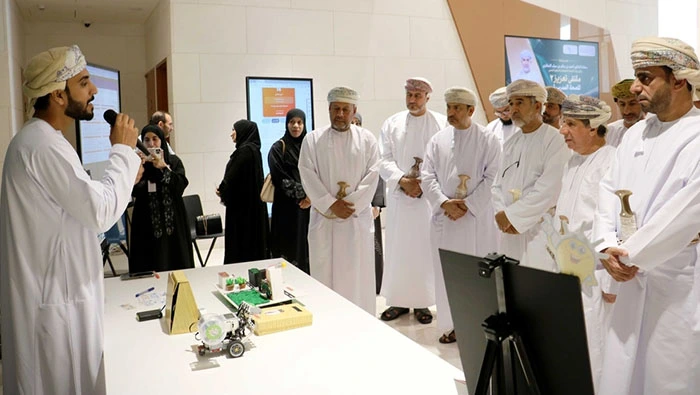
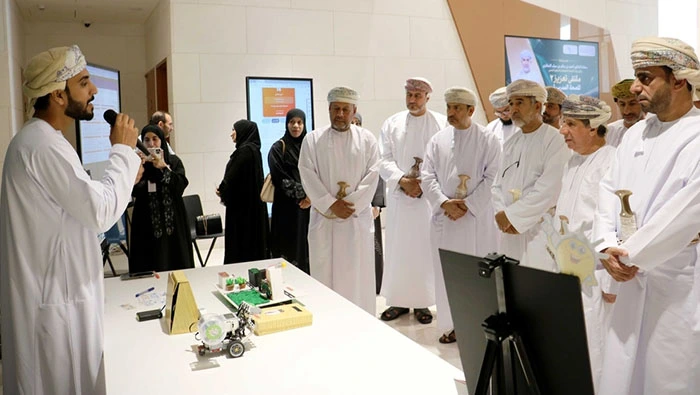
The forum included a visual presentation titled “Story of Ghars,” which reviewed the initiative’s stages, objectives, and its most prominent participating projects and ideas, alongside another presentation addressing the experience of health-promoting schools and their role in consolidating positive health practices among students, as well as launching the third edition of the “Ghars” initiative, announcing the initiative’s results, and honoring the winning projects. The chief guest opened the accompanying exhibition of the forum, which featured a number of health and innovative projects and initiatives, and listened to an explanation of their goals, implementation mechanisms, and the extent of their contribution to developing school health services, as well as enhancing health awareness and disease and health problem prevention among students.rship-one that speaks of resilience, confidence, and an enduring bond with the public.