




BY MOHAMMAD TARIQUE SALEEM
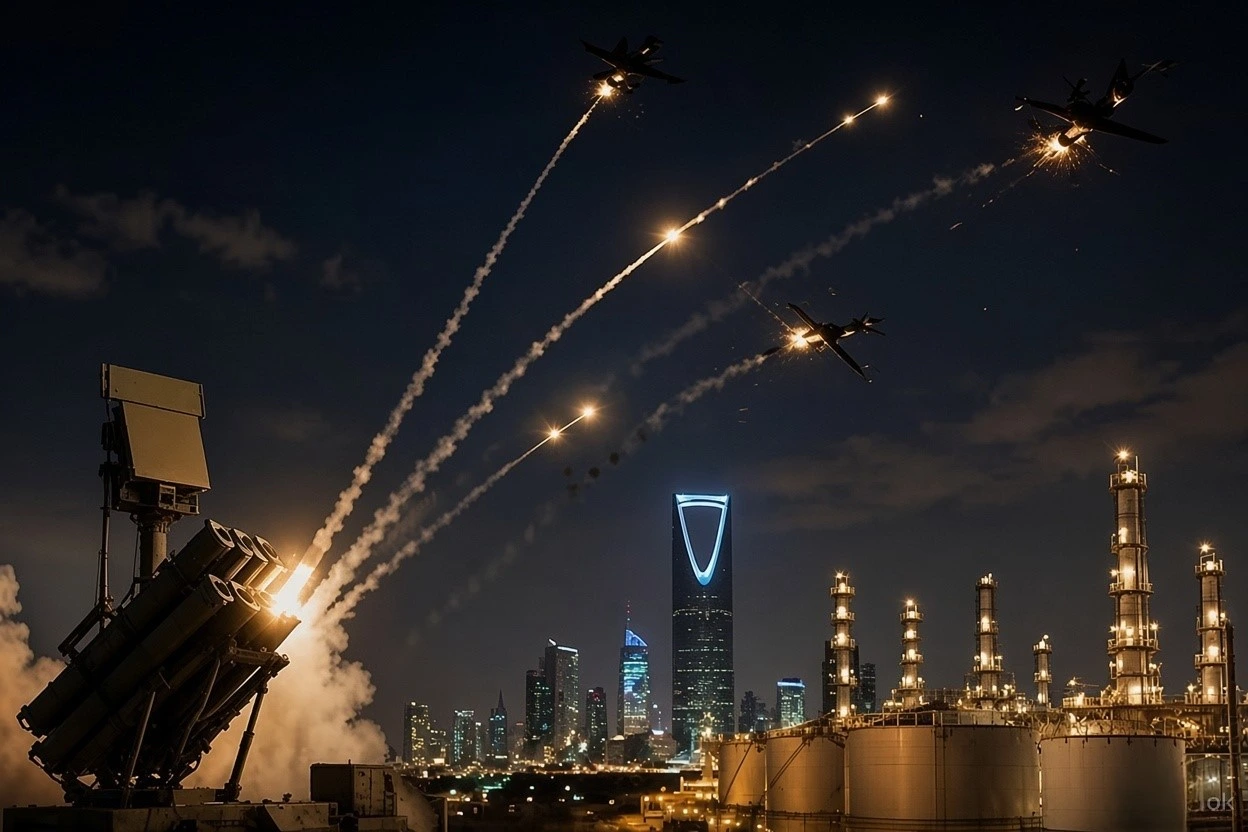
The deadliest attack on Saudi soil in more than a decade came not from a conventional battlefield but from the skies above Riyadh. On October 10 a Houthi missile slammed into King Khalid International Airport, killing 13 people of multiple nationalities and wounding over 300. The strike was the third on the airport in a single week and part of a sustained campaign that has targeted Aramco facilities from Jazan to Yanbu and civilian airports across the Kingdom.
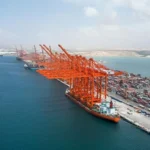
Saudi air defenses have intercepted successive waves of missiles and drones; on one recent day alone the coalition destroyed eight projectiles, including a ballistic missile aimed at Dhahran. When Iranian threats choked the Strait of Hormuz in March, the East-West Pipeline from Abqaiq to Yanbu became the critical bypass, carrying around four million barrels a day, roughly 4 percent of global supply, before drone strikes forced a temporary closure. Gulf flows through Hormuz have partially recovered, yet tankers remain under threat and Yanbu continues to serve as the market’s insurance.
Much of the crude and diesel loaded there sails to Europe. Every interceptor fired over western Saudi Arabia is protecting supply on which consumers far beyond the Kingdom depend. Those consumers are already paying a geopolitical risk premium. Brent crude has risen from about $73 before the Iran conflict to more than $100, with Goldman Sachs estimating the security premium at just over $20 a barrel. Airlines including Air France-KLM, Lufthansa, Delta, Air India, and Qatar Airways suspended regional flights after the airport attacks. The disruption is global, and so is the interest in ending it.
Burden sharing has begun. Greece has operated a Patriot battery in the Kingdom since 2021 and intercepted missiles aimed at Yanbu. France has announced it will send troops and air-defense systems on a strictly defensive mission. The same logic that sends frigates to the Bab al-Mandab should place batteries and interceptors around the pipelines and terminals that now carry the same oil. What is required is a standing framework for integrated air and missile defense of critical energy infrastructure, with rotating contributions and shared early-warning data across the Red Sea basin.
Saudi Arabia already invests heavily in Patriot, THAAD, and European systems. The binding constraint is no longer money but interceptor stocks and the attacker’s ability to saturate defenses from mobile launchers. Asian buyers of Saudi crude-China, India, Japan, and South Korea—have equal stakes and should help enforce the arms embargo under UN Security Council Resolution 2216. Shielding civilian airports and refineries is distinct from offensive operations in Yemen. The countries whose economies run on the oil behind Saudi defenses must now decide whether they are prepared to help hold the line.