




BY NOORUDDIN NAIK
Mumbra-Kausa is facing a deepening civic crisis that demands immediate government intervention. Despite having a population of more than 15 lakh, the area continues to suffer from infrastructure that falls woefully short of the needs of a rapidly expanding urban settlement. The most basic necessities of urban life, drinking water, educational institutions, healthcare, roads and drainage, remain inadequate, raising serious questions about civic planning and administrative accountability.
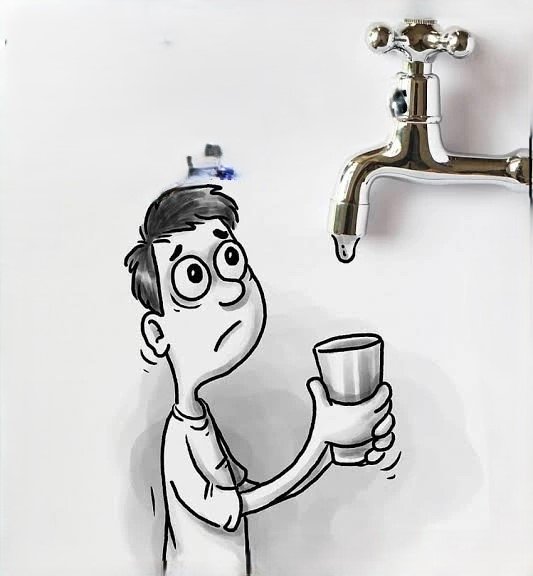
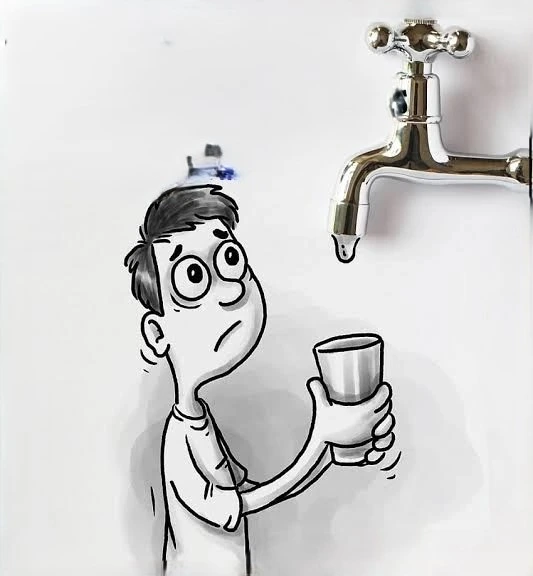
The drinking water crisis is particularly alarming. Residents of some housing societies reportedly receive water for barely 10 to 15 minutes a day. Such an inadequate supply cannot reasonably meet the essential needs of households. Families are compelled to purchase water tankers, placing an additional financial burden on ordinary residents. Women, senior citizens and children are among those who suffer most from this daily struggle.
How can a population of this magnitude be expected to survive on a few minutes of water supply?
This is not merely a question of inconvenience; it is a fundamental issue of public welfare that the Thane Municipal Corporation and the concerned water authorities must urgently address. Equally disturbing is the shortage of public educational and healthcare facilities. Mumbra-Kausa needs adequate municipal schools, junior colleges, a well-equipped government hospital with specialised medical services, organised markets, libraries and playgrounds. Students should not have to travel long distances to pursue higher education, while patients should not be forced to look elsewhere for essential medical treatment.
The unchecked expansion of construction projects has further intensified public concern. New buildings continue to emerge, yet the existing population struggles with inadequate water supply, drainage and roads. Before approving additional residential towers, authorities must establish whether the area’s infrastructure can sustain the growing population. Development that overlooks essential services cannot be considered planned urbanisation.
The administration must immediately review water distribution, identify supply deficiencies and ensure a regular daily supply of at least one to two hours with adequate pressure. An independent audit of water allocation is necessary to establish where the available supply is going. Fresh construction permissions should be suspended until the authorities demonstrate that water, sewerage and road infrastructure can support further expansion.
The Maharashtra government, Thane Municipal Corporation and the Mumbai Metropolitan Region Development Authority must jointly prepare a time-bound development plan for Mumbra-Kausa. A public meeting involving officials, elected representatives and residents would help establish priorities and ensure accountability. Nooruddin Naik, a resident of Mumbra-Kausa for 45 years, has raised legitimate concerns that deserve more than routine assurances.
If these grievances continue to be ignored, public frustration could spill onto the streets. Mumbra-Kausa cannot be allowed to grow vertically while its civic foundations crumble. Residents deserve dignified living conditions, accountable governance and development that serves people, not construction alone. The representation has been addressed to: Eknath Shinde, Deputy Chief Minister, Maharashtra State, Dr. Shrikant Shinde, Member of Parliament, Kalyan Lok Sabha Constituency, Jitendra Awhad, MLA, Mumbra-Kalwa Constituency, Municipal Commissioner, Thane Municipal Corporation, Thane.