



BY MOHAMMAD TARIQUE SALEEM
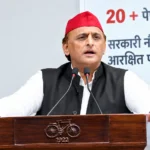
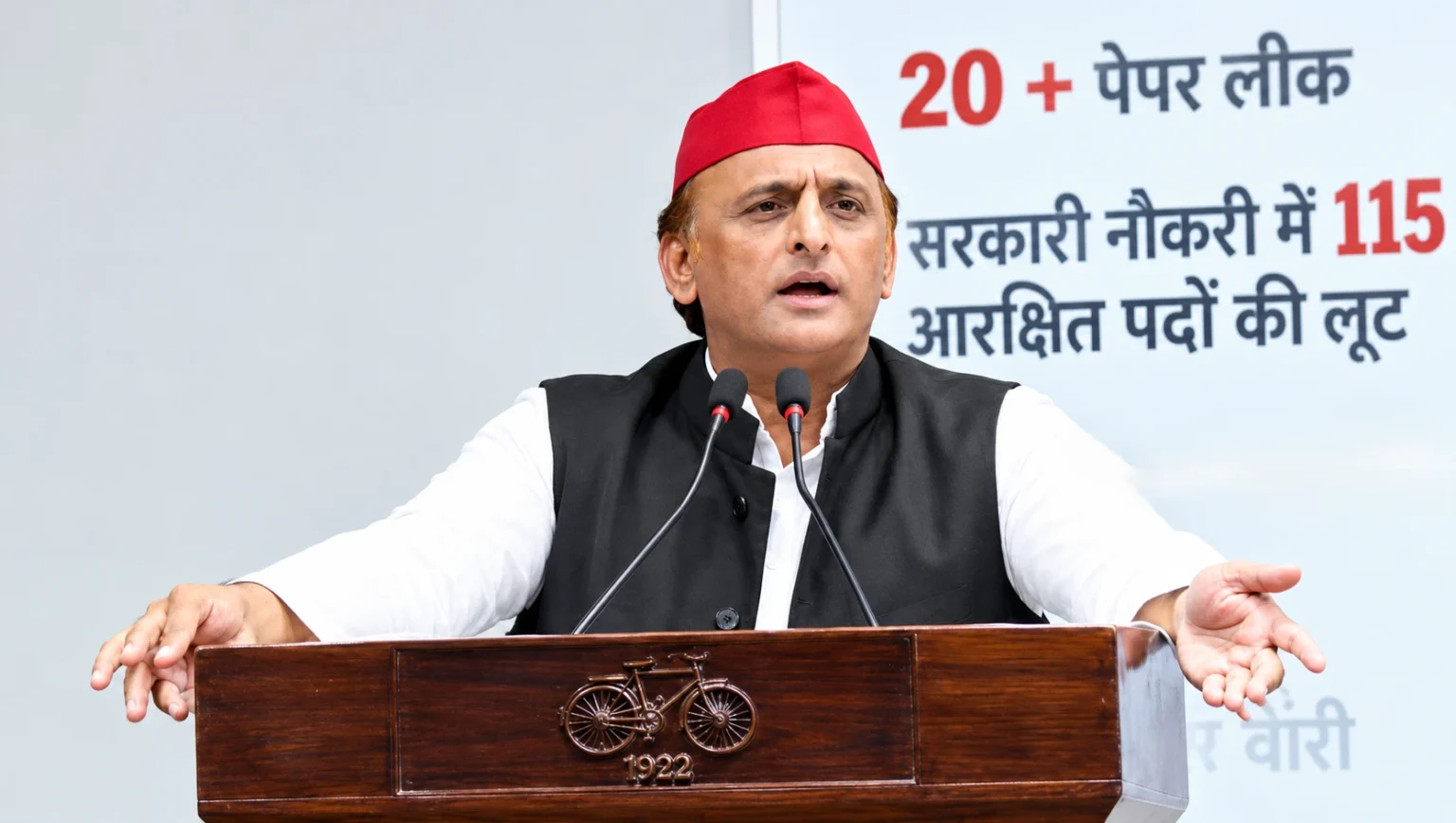
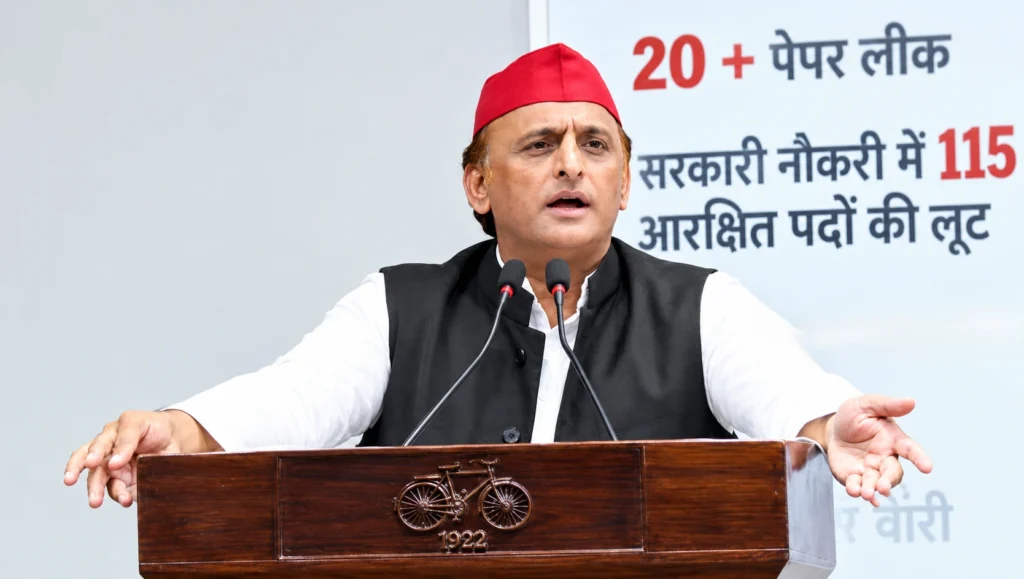
Akhilesh Yadav has turned the recent Uttar Pradesh MLC election controversy into a broader political offensive against the BJP, challenging not merely its electoral performance but also the credibility of the electoral process and the functioning of the administration. Addressing the press conference today he said the political battle for Uttar Pradesh in 2027 has already begun, and the Samajwadi Party intends to make every alleged irregularity an issue of public accountability.
The Samajwadi Party chief has questioned the counting process in the Varanasi Graduates’ Constituency, alleging deliberate delays and administrative interference in the declaration of results. His allegations regarding pressure on election officials from Delhi and Lucknow have added a serious political dimension to the controversy. By raising questions over the withholding of the victory certificate, Yadav has sought to turn an electoral dispute into a larger debate about democratic institutions and the sanctity of the people’s mandate.
His attack on the BJP is not confined to election management. He is attempting to expose what he describes as the widening disconnect between the ruling party and educated sections of society. Teachers, graduates, unemployed youth and students have become important elements of his political narrative. The MLC election controversy has provided him an opportunity to consolidate these constituencies and project the Samajwadi Party as their political alternative.
Equally significant is his renewed emphasis on PDA politics-Pichhde, Dalit and Alpsankhyak (backward classes, Dalits and minorities). Akhilesh understands that the road to Lucknow’s corridors of power cannot be secured through traditional caste equations alone. He needs a wider social coalition based on political representation, economic insecurity, educational opportunities and resistance to discrimination. His attempt to expand PDA into a broader platform for all sections facing injustice is central to this strategy.
Yadav has also raised questions about the Election Commission and the Special Intensive Revision of electoral rolls. His suggestions regarding Aadhaar-linked voter identification, biometric verification and the prevention of duplicate entries indicate that electoral reforms are likely to remain a major component of the SP’s campaign. His allegations of selective deletion of genuine voters, however, require independent examination and a transparent response from the authorities.
The BJP cannot afford to dismiss this offensive as routine opposition rhetoric. The political significance of the MLC elections lies not simply in individual victories or defeats but in the constituencies and social groups expressing dissatisfaction with the ruling establishment. Teachers, graduates and young voters represent influential sections whose political choices can shape the wider electoral atmosphere. His challenge, however, is equally substantial. Raising allegations is not enough.
The Samajwadi Party must demonstrate organisational discipline, strengthen its booth-level machinery, present credible candidates and offer a convincing programme on employment, education, inflation and social justice. The 2027 contest will not be decided by political slogans or isolated election controversies. It will be determined by public confidence, social mobilisation and the ability of political parties to convert dissatisfaction into votes. Akhilesh Yadav has clearly chosen confrontation over political accommodation. Whether his PDA strategy can transform this offensive into an electoral breakthrough will be one of the defining questions of Uttar Pradesh politics in 2027.