




BY MOHAMMAD TARIQUE SALEEM
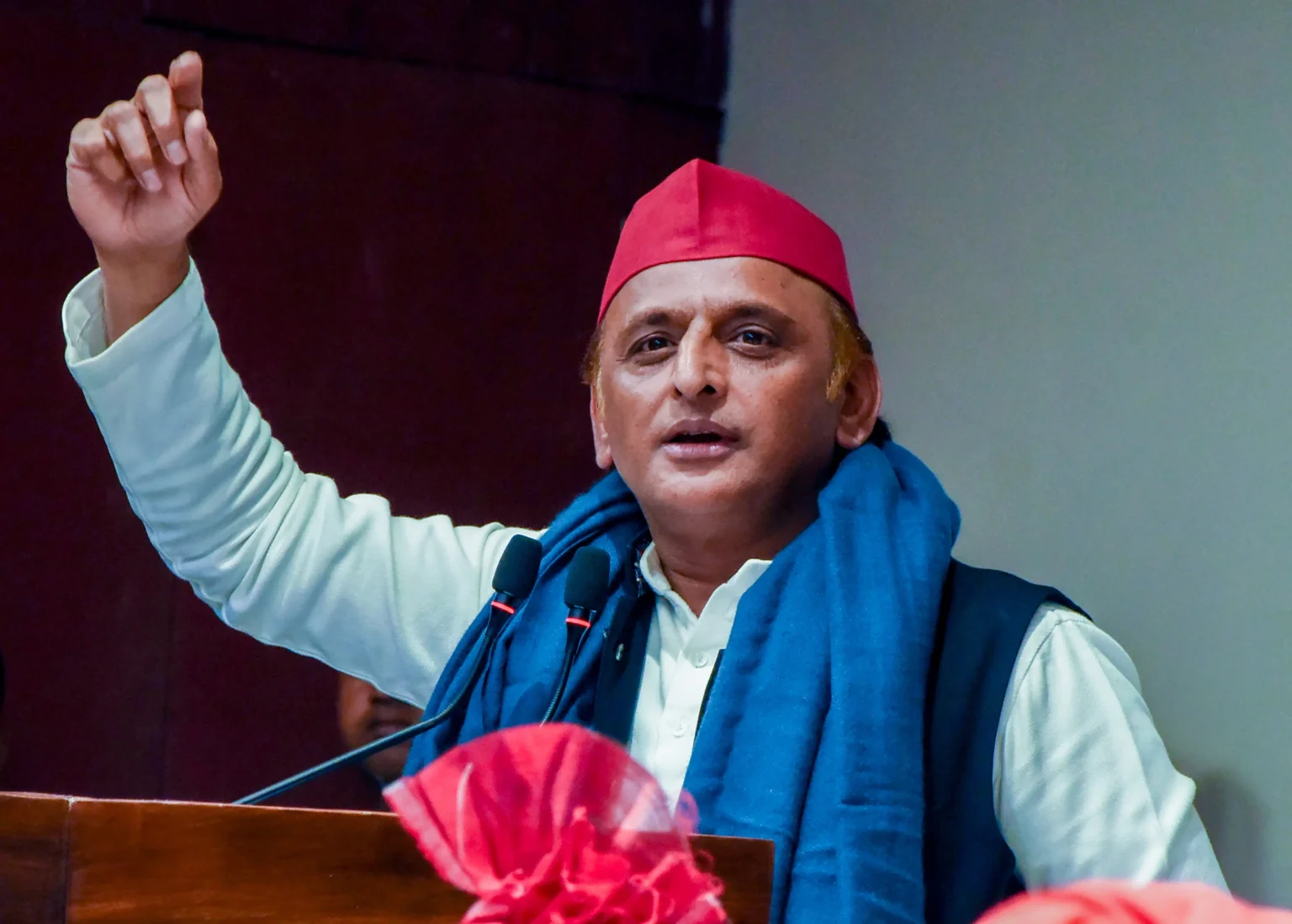
The political battle for Uttar Pradesh’s 2027 Assembly elections is beginning to take shape around two contentious issues: the condition of farmers and allegations of administrative misuse. Samajwadi Party president and former chief minister Akhilesh Yadav has launched a sharp attack on the BJP government, accusing it of failing farmers while allowing alleged irregularities in the display of political posters to go unchecked.
He has presented both issues as evidence of a wider failure of governance, promising accountability if the Samajwadi Party returns to power. Yadav said the BJP was unnerved by the prospect of political alliances and had resorted to putting up what he described as fake posters. Questioning the apparent absence of municipal action against unauthorised displays, he demanded the suspension of senior municipal officials responsible for enforcing the rules.
According to Yadav, posters allegedly installed without payment of the prescribed fees could deprive municipal bodies of revenue. He argued that official payment receipts would reveal the identities of those responsible, whereas clandestine installations could conceal the people behind them. He said the party was documenting such incidents chronologically, including the officials responsible at the time.
Yadav warned that a future PDA government would examine the records and pursue cases involving alleged corruption. He also referred to agencies including the Enforcement Directorate, Central Bureau of Investigation and Economic Offences Wing as instruments that could be activated to investigate wrongdoing. His allegations place municipal enforcement and financial accountability at the centre of a political dispute that is likely to intensify as the next Assembly election approaches.
The claims, however, would require investigation and supporting evidence to establish individual responsibility. Yadav’s criticism of the BJP was equally forceful on agriculture, where he accused the government of breaking its promises to farmers. He argued that the pledge to double farmers’ incomes had lost credibility as the cost of cultivation continued to rise while returns from agricultural produce remained inadequate.
He cited the rising prices of fertilisers, seeds, pesticides and diesel, saying farmers were struggling to recover even their production costs. According to him, difficulties begin before sowing, with farmers facing problems securing essential inputs, irrigation water and timely electricity. After harvesting, they encounter another challenge: finding buyers willing to pay remunerative prices.
Yadav specifically highlighted paddy and potato cultivation. He alleged that paddy growers were sometimes forced to sell at prices up to Rs 1,000 per quintal below their production costs, while falling potato prices had inflicted substantial losses on growers. He also accused the procurement system of failing farmers and claimed that intermediaries were profiting by purchasing produce cheaply. On sugarcane, Yadav questioned why growers were not receiving a fair share of the benefits associated with ethanol blending in petrol.
He further alleged that several sugar mills continued to owe farmers substantial payments even as a new crushing season approached. He also criticised the government’s response to crop damage caused by floods, heavy rainfall and other natural disasters, alleging that affected farmers had not received adequate assistance. Yadav said the accumulated distress would influence farmers’ political choices in 2027.
He promised that a Samajwadi Party government would ensure sugarcane payments within 24 hours, adequate electricity for agriculture, remunerative crop prices and timely supplies of seeds, fertilisers and water. The political significance of these promises will depend on whether they translate into credible, financially workable measures.
For farmers facing mounting costs and uncertain market returns, the central question is not simply which party offers the strongest criticism, but which government can deliver reliable procurement, timely payments and predictable agricultural income. By linking alleged administrative irregularities with rural economic distress, Yadav is seeking to make accountability and farmers’ livelihoods central to the Samajwadi Party’s campaign for 2027.