


BY MOHAMMAD TARIQUE SALEEM
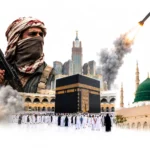
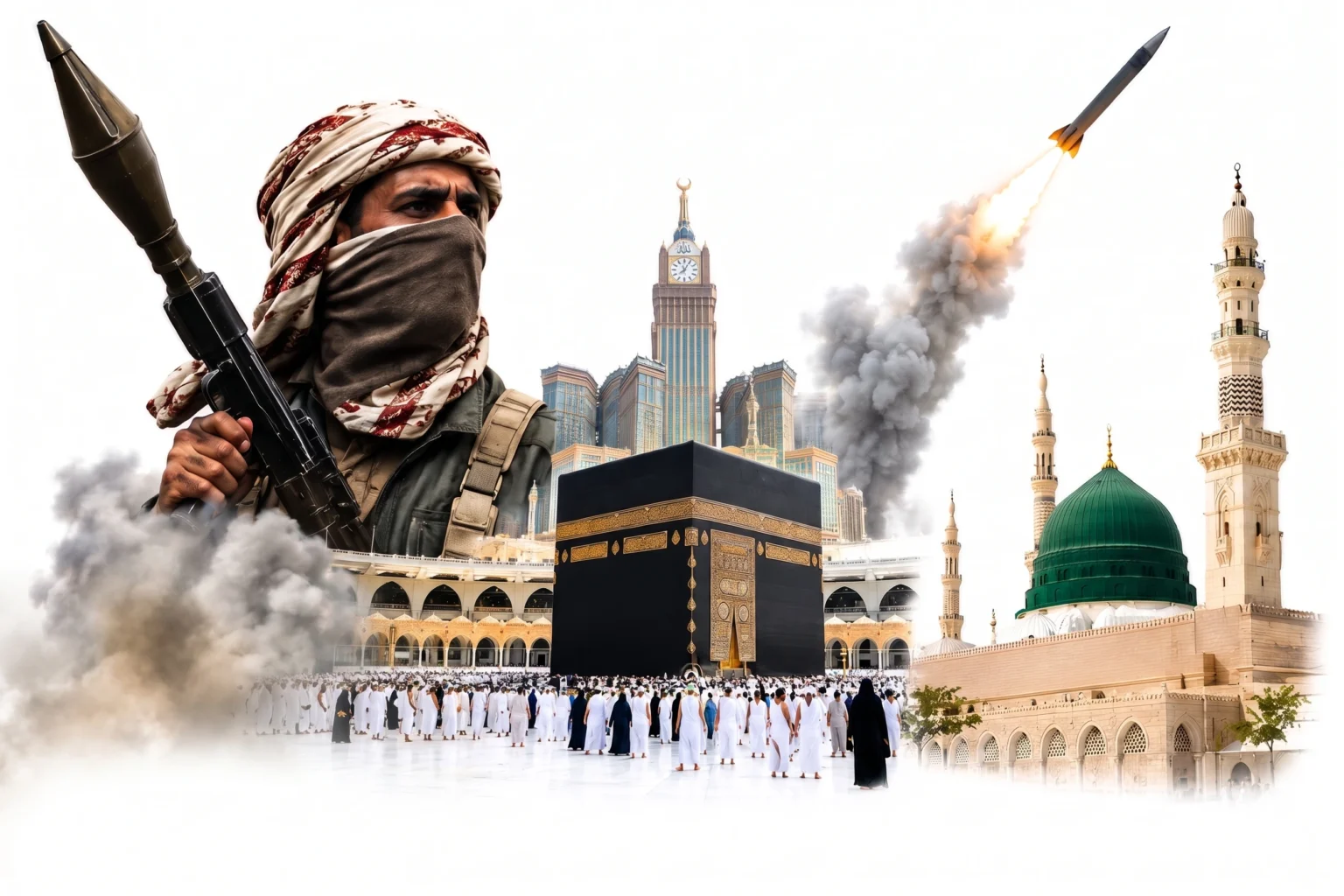
The greatest betrayal of religion is to turn its name into a weapon against the innocent. The Houthi movement, which calls itself “Ansar Allah” or “Supporters of God,” faces a fundamental question that its slogans cannot answer. How can a group claim to defend Islam while its military actions threaten Muslim civilians, endanger pilgrims and raise fears for the security of Makkah and Madinah?
The allegations of Houthi attacks directed towards Saudi Arabia’s sacred cities and civilian infrastructure demand unequivocal condemnation. Makkah is home to the Holy Kaaba, towards which Muslims turn in prayer across the world, while Madinah holds an incomparable place in the history of Islam as the city of Prophet Muhammad (peace be upon him). Their sanctity transcends national borders, political rivalries and sectarian divisions.
Any attempt to endanger these holy places or the people travelling to worship there is an assault on the sentiments of Muslims everywhere. No political cause can justify turning innocent civilians into targets. Airports are gateways for families, workers and pilgrims, not legitimate instruments of political intimidation. Missile and drone attacks that endanger passengers, airport personnel and emergency responders expose the human cost of a conflict in which ordinary people repeatedly pay the highest price.
The reported suffering of victims and survivors of attacks on Saudi civilian facilities underlines a reality that militant propaganda cannot conceal. Behind every casualty are families, shattered hopes and lives permanently altered by violence. Whether the victims are Saudi, Egyptian, Jordanian, Palestinian, Indian or citizens of another country, their lives possess equal worth. Their nationality does not diminish the injustice committed against them.
The Houthis must also answer for their conduct inside Yemen, where years of conflict have deepened suffering, displaced families and devastated essential services. Allegations of child recruitment, political repression and attacks on commercial shipping raise further concerns about a movement whose actions have consequences far beyond the battlefield. Yemen’s people deserve peace, accountable leadership and the opportunity to rebuild their country without intimidation or endless warfare.
The religious dimension of this issue cannot be ignored. Islamic teachings place immense emphasis on protecting innocent life, honouring covenants and preventing injustice. No armed movement can establish its religious credentials merely by adopting an Islamic name or invoking divine authority. Religious language does not absolve any organisation of responsibility for its actions.
Muslim scholars, governments and international institutions should therefore judge the Houthi movement by verifiable evidence and its conduct, rather than its slogans. Attacks on civilians, threats to sacred sites and violations of international humanitarian law must invite credible investigations, accountability and appropriate measures under international law. The international community must also distinguish between holding an armed movement accountable and punishing Yemen’s already suffering population. Targeted measures against those responsible, stronger protection for civilian infrastructure and renewed diplomatic efforts are essential.
The defence of Makkah and Madinah is not a partisan cause; it is a responsibility rooted in their unique place in the hearts of Muslims. Anyone who threatens their security must face a united and principled response. The Houthis cannot demand religious legitimacy while their actions undermine the very values of mercy, justice and respect for human life that Islam upholds. Their claims must be measured against their conduct, and their conduct must answer to the law, the conscience of humanity and the sanctity of innocent life.



