




BY MOHAMMAD TARIQUE SALEEM
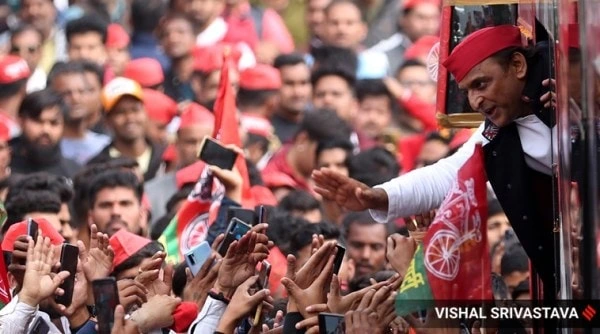
“Who is the most popular politician of this era ?” this question has recently sparked massive discussion across social media platforms, with several viral videos boldly describing Akhilesh Yadav as “the most popular politician of this era.” These clips, widely shared by supporters and political observers alike, show huge crowds at rallies, enthusiastic youth chanting slogans, and emotional public reactions during his speeches. The growing online buzz reflects how strongly Akhilesh Yadav continues to connect with people, especially the younger generation.
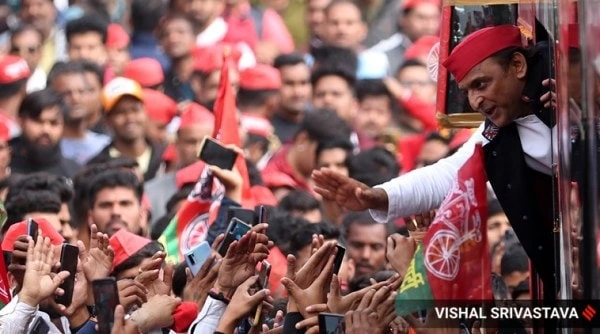
Massive crowds, energetic youth supporters, and powerful political speeches have become a common sight wherever Akhilesh Yadav goes today. In an era where politics is dominated by fierce competition and changing public opinion, Akhilesh Yadav has successfully built an image of a modern, approachable, and people-friendly leader. His growing popularity among the youth, farmers, minorities, and middle-class families has made him one of the most talked-about politicians in contemporary Indian politics.
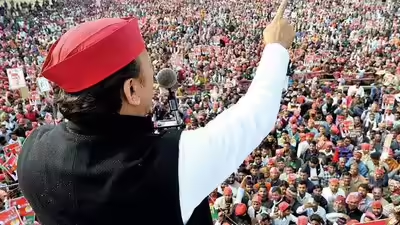
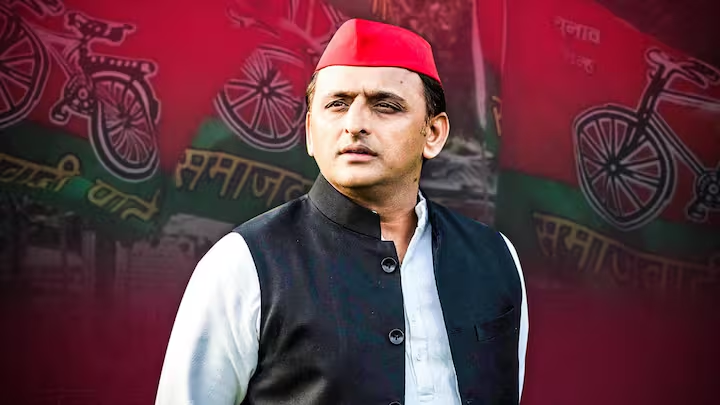
Akhilesh Yadav entered politics carrying the legacy of his father, Mulayam Singh Yadav, but over the years he created his own identity. Unlike many traditional politicians, Akhilesh brought a fresh and youthful image to Indian politics. His calm behavior, soft-spoken nature, and focus on development made him especially popular among the youth. At a time when politics often appears aggressive and divisive, Akhilesh presents himself as a leader who talks about education, employment, technology, and social harmony.
One of the biggest reasons behind his popularity is the development work carried out during his tenure as the Chief Minister of Uttar Pradesh from 2012 to 2017. During this period, several modern infrastructure projects transformed the image of the state. The Lucknow Metro project, the Agra-Lucknow Expressway, modern roads, and improved healthcare facilities became symbols of his governance model. Many people still remember his government for introducing laptops for students, which helped thousands of young people gain access to technology and digital education.
Akhilesh Yadav’s popularity is also deeply rooted in his ability to communicate with ordinary citizens. Whether addressing farmers’ issues, unemployment, inflation, or social justice, he often speaks in a language that resonates with the masses. His social media presence has further strengthened his image among young Indians. Unlike older political styles, Akhilesh understands the importance of digital communication and modern outreach.
Another major factor behind his growing support is his image as a secular and inclusive leader. In a politically polarized atmosphere, many people view him as someone who advocates unity and communal harmony. His speeches frequently emphasize equality, constitutional values, and the protection of democratic institutions. This has helped him gain support from diverse communities across the country.
Even political opponents acknowledge that Akhilesh Yadav has become one of the strongest opposition leaders in India today. His rallies attract massive crowds, especially in rural areas and among first-time voters. Many young people see him as a symbol of change and hope for a better future. His supporters believe that he represents a modern India that values progress along with social justice. Despite facing political setbacks and tough competition, Akhilesh Yadav has remained relevant and influential. His resilience and ability to rebuild political momentum have strengthened his image further.
In contemporary Indian politics, where public perception changes rapidly, maintaining such popularity for years is not easy. Akhilesh Yadav’s journey shows how a leader can combine modern development with grassroots politics. Whether one supports his ideology or not, there is no denying that he has become one of the defining political figures of this era. His popularity continues to grow because many people see in him a leader who understands both the aspirations and struggles of ordinary citizens.op of Form