






BY MOHAMMAD TARIQUE SALEEM
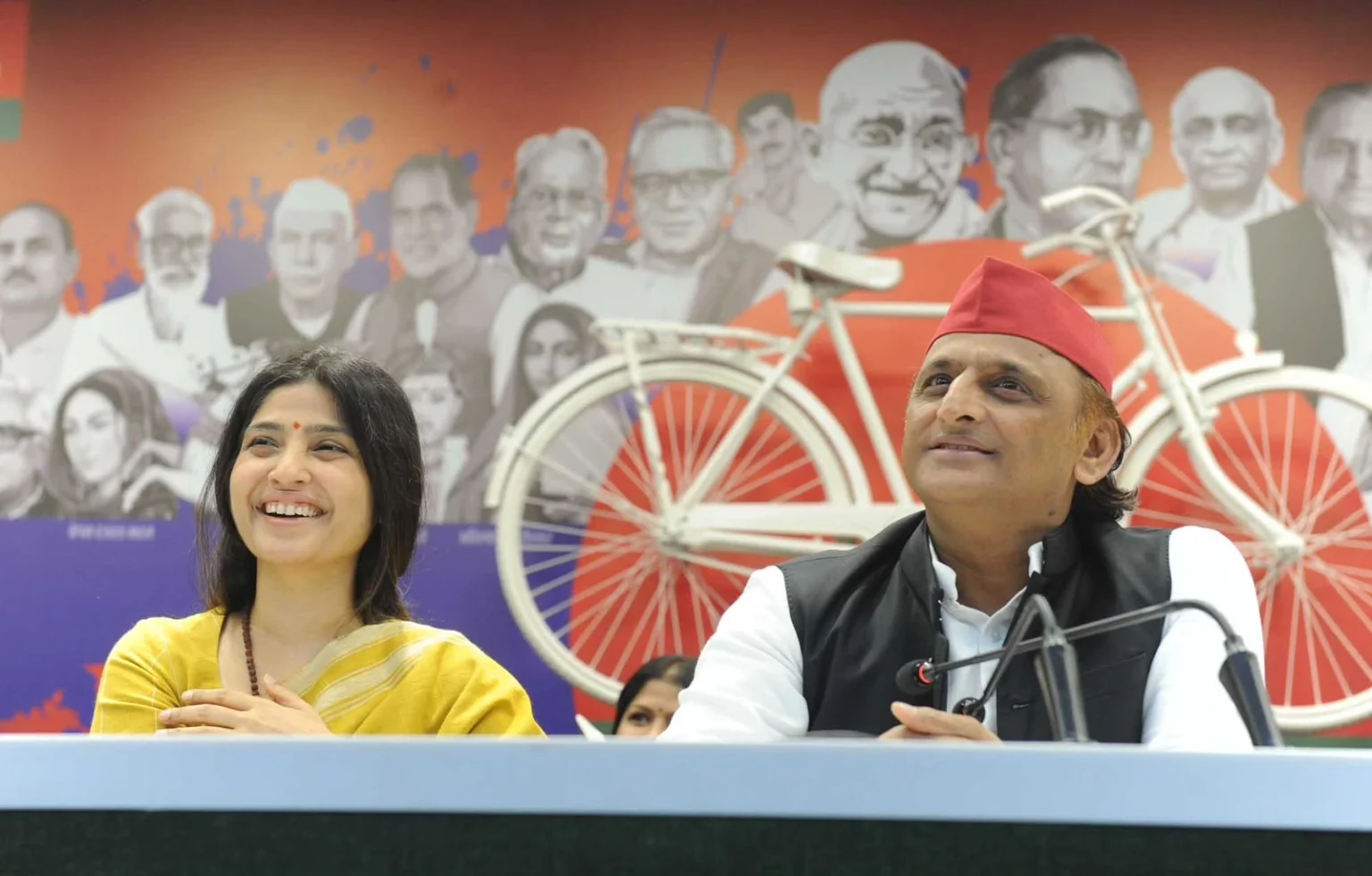
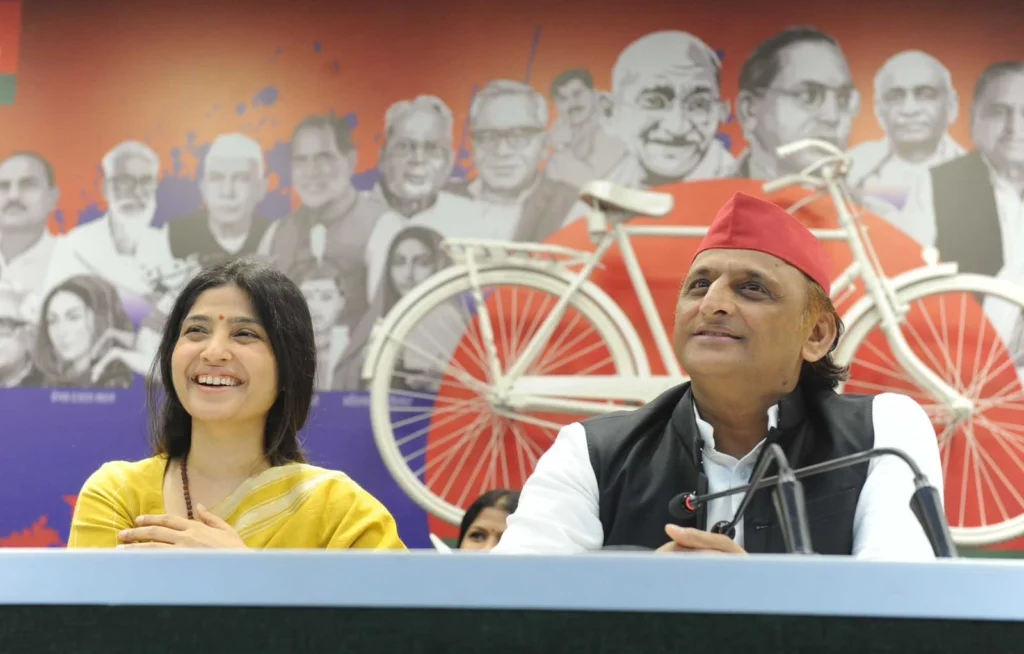
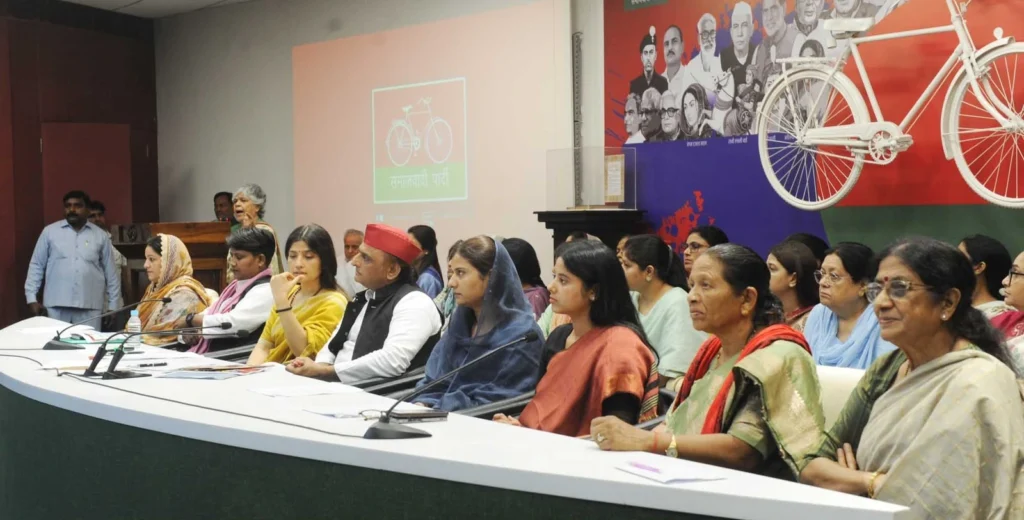
Samajwadi Party (SP) president and former Uttar Pradesh Chief Minister Akhilesh Yadav has announced the ‘Stree Samman-Samriddhi Yojana’ on the occasion of National Women’s Equality Day, presenting it as a comprehensive commitment towards the dignity, security, education and economic empowerment of women. The announcement, made at the party headquarters in Lucknow, is clearly intended to become a major component of the SP’s manifesto for the 2027 Uttar Pradesh Assembly elections.
At the heart of the proposed scheme is a promise to provide women ₹40,000 annually once the SP forms the government. The proposal is accompanied by several measures aimed at improving women’s access to education, mobility and public services. Female students would receive laptops and bicycles after completing Class XII, while women would be provided free travel on government buses. The party has also promised to reopen 26,000 primary schools that it claims were closed under the present BJP government, waive fees in government schools and reduce fees in private schools by half.
The broader framework includes the revival of the Nutrition Mission, strengthening of Anganwadi centres and restoration of the 102 ambulance service for pregnant women. Taken together, these proposals indicate an attempt to move beyond a single cash-transfer programme and create a wider welfare architecture covering education, nutrition, healthcare, transportation and economic assistance.
Women’s security forms another important pillar of the announcement. Akhilesh Yadav highlighted the Samajwadi government’s 1090 women’s helpline and Dial-100 emergency police service, arguing that these initiatives established a model for women’s safety and emergency response. He also criticised the BJP government over incidents of violence against women and questioned the delay in implementing the constitutional provisions relating to women’s political representation. His demand that women’s reservation be implemented from the 2027 Assembly elections adds a strong political-representation dimension to the initiative.
The conceptual framing presented by Dimple Yadav is equally significant. The word ‘Stree’, she explained, is intended to encompass women of every age; ‘Samman’ represents the fundamental right to dignity and social equality; and ‘Samriddhi’ signifies economic strength and self-reliance. This makes the scheme not merely a welfare proposal but an attempt to construct a broader narrative of women’s empowerment. Politically, the initiative has clear significance. Uttar Pradesh’s women voters constitute a crucial electoral constituency, and the SP appears determined to place women’s economic security and social dignity at the centre of its 2027 campaign. However, the credibility of the proposal will ultimately depend on the details: eligibility, fiscal implications, implementation mechanisms, timelines and accountability



