




BY MOHAMMAD TARIQUE SALEEM
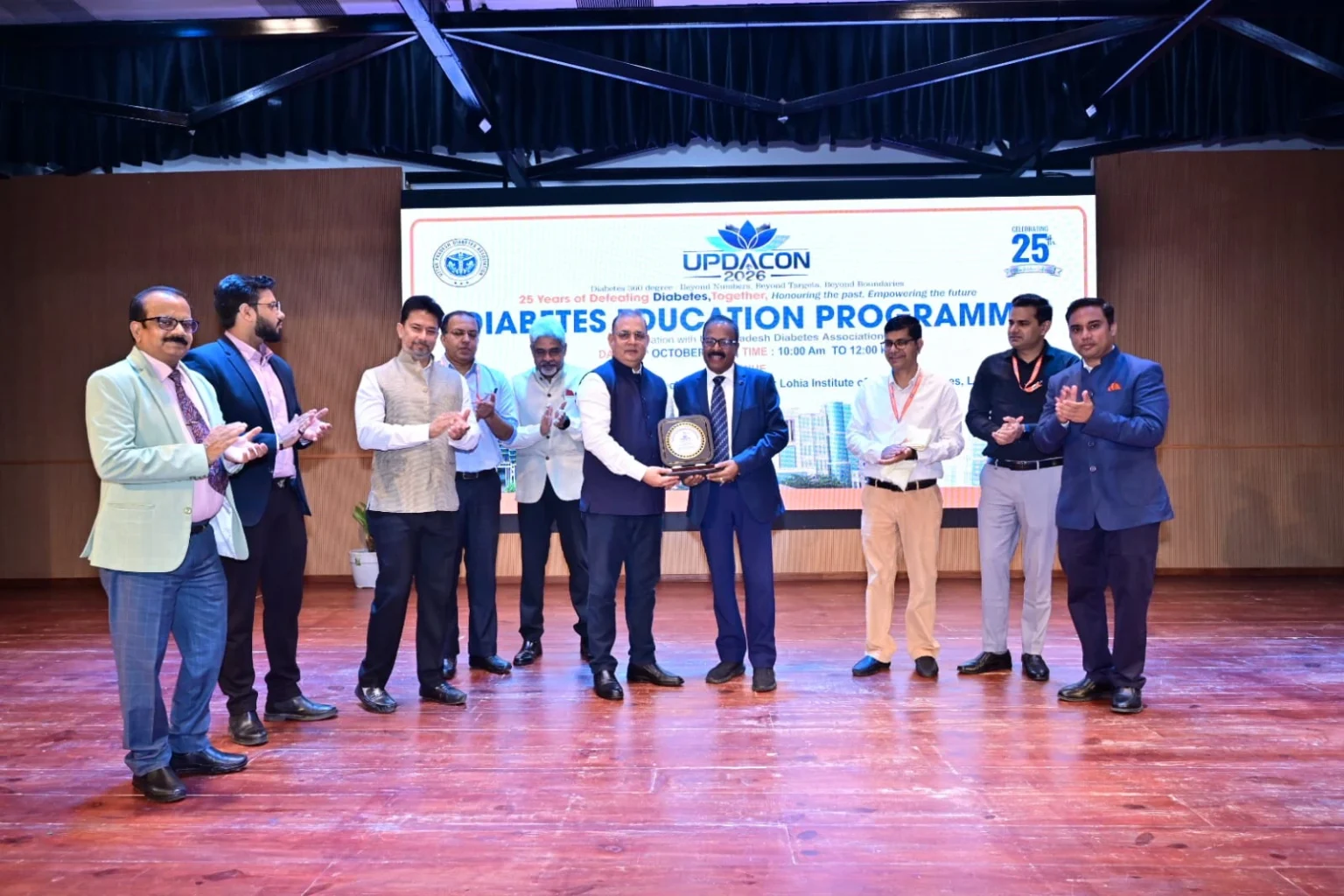
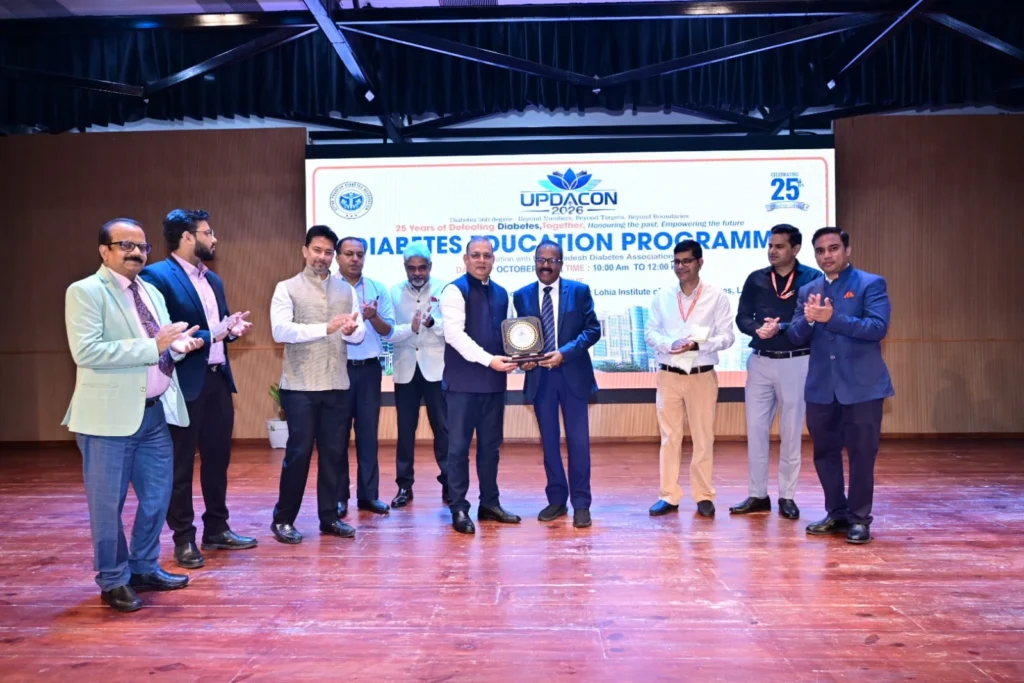
The Uttar Pradesh Diabetes Association’s organisation of a specialised education programme at Dr. RMLIMS followed by a community sensitisation exercise at UHTC Ujariyaon on 9 October 2026 represents a classic case of institutional dualism in public health pedagogy. It simultaneously seeks to build professional competence among nursing students and to influence population level behaviour. While the presentation is polished, the underlying design warrants close examination.
The Academic Block Auditorium session titled “The Diabetes Blueprint: Essential Education for Nursing Students” rightly recognises nursing staff as central to the management of chronic disease. However the format remains largely didactic. A single lecture by Dr. Shivam Verma, however well delivered, cannot replace sustained competency based training that covers continuous glucose monitoring, insulin adjustment, hypoglycaemia management and culturally appropriate counselling. The attendance of senior UPDA office bearers and institutional leaders adds formal weight yet does not guarantee deeper learning or lasting skill development. Without pre and post assessments, structured clinical evaluations or planned follow up mentoring, the programme risks remaining a ceremonial transfer of information rather than a genuine strengthening of capacity.
The community session at Ujariyaon displays the familiar constraints of one time awareness campaigns. Listing risk factors, urging balanced diets and physical activity, and encouraging screening are useful starting points. In a state marked by sharp economic differences, limited food security, work related barriers to exercise and uneven primary care, such messages often fail to overcome structural obstacles. The absence of clear connections to affordable testing, medicine supply or ongoing community support leaves the effort open to the criticism that it places too much responsibility on individuals for a condition heavily influenced by environment and health system gaps.
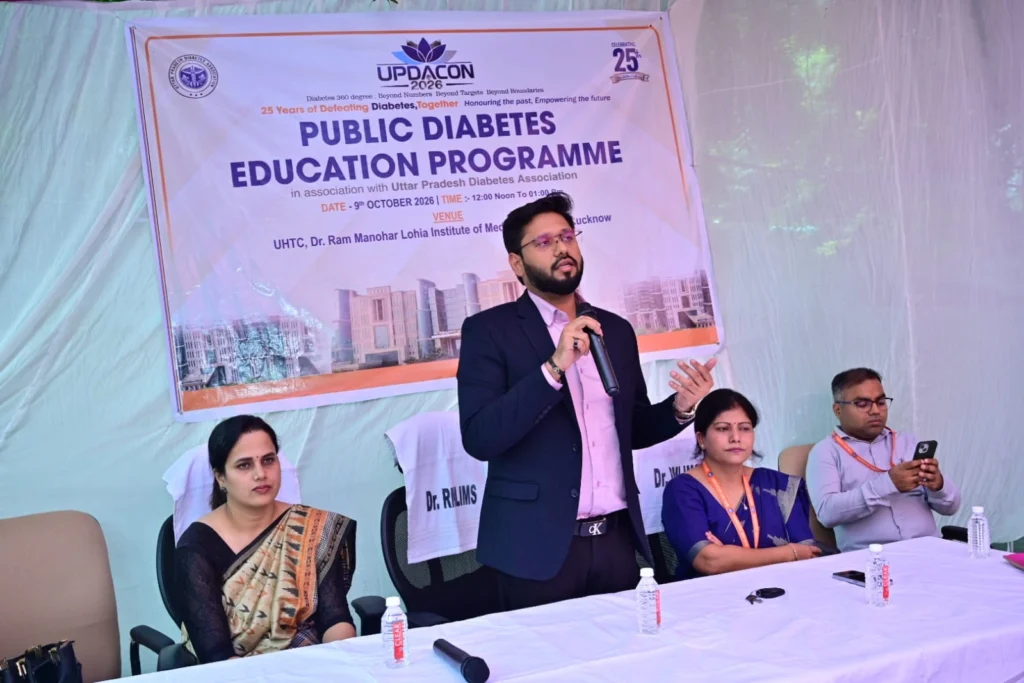
Holding both activities on the same day under the UPDACON 2026 banner also raises questions about long term strategy versus short term visibility. Conferences are effective at gathering experts. They are less effective at delivering the repeated, locally rooted work needed for real prevention. UPDA’s stated commitment is clear in language, yet its practical value will depend on measurable results such as changes in nursing practice, higher rates of community screening or fewer late diagnoses tracked over time.
Overall the initiative shows organisational ability and useful collaboration between institutions. Its lasting contribution to public health will rest not on the status of the venue or the clarity of the messages but on whether these efforts become part of continuous training, referral systems and structural support capable of changing the course of diabetes in Uttar Pradesh.