



MOHAMMAD TARIQUE SALEEM
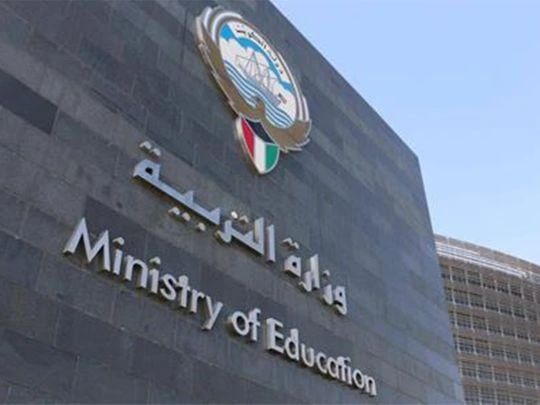
For any nation aspiring to thrive in the twenty-first century, classrooms are just as important as boardrooms, laboratories are as valuable as oil fields, and knowledge has become the most strategic national asset. Kuwait appears to have embraced this reality. While the country’s economy has long been associated with energy wealth, its future increasingly depends on how effectively it invests in people. Recent developments suggest that this investment is finally beginning to pay off.
The most visible sign of this progress came when Kuwait University recorded a remarkable rise in the 2026 Times Higher Education (THE) Impact Rankings, jumping from the 801–1000 category to the 401–600 band. Rankings alone cannot capture the full quality of an education system, but such a dramatic improvement rarely happens by accident. It reflects years of patient reforms aimed at strengthening governance, encouraging research, improving sustainability, and raising academic standards.

More importantly, the university’s achievement is not an isolated success. It reflects a broader transformation unfolding across Kuwait’s education sector. From primary schools to universities and vocational institutions, the emphasis is gradually shifting away from memorisation and outdated practices towards critical thinking, innovation, digital literacy, and practical skills. The objective is no longer simply to produce graduates, but to prepare confident, capable citizens who can contribute to a diversified economy under New Kuwait Vision 2035.
One of the most significant changes has been Kuwait’s determination to restore credibility to its examination system. For years, incidents of paper leaks and organised cheating damaged public confidence in academic qualifications. Recognising that genuine excellence cannot exist without honesty, the government introduced Decree-Law No. 77 of 2025, imposing strict penalties on those involved in examination fraud. Enhanced monitoring, tighter supervision, and stronger enforcement now send a clear message that academic success must be earned through effort rather than shortcuts.
Equally important is the renewed focus on teachers. Educational reforms rarely succeed unless they begin inside the classroom, and Kuwait has acknowledged this reality by introducing a professional licensing system for educators. Teachers are now expected to meet internationally recognised standards and participate in continuous professional development. Developed in consultation with organisations such as the OECD, the initiative aims to ensure that every student benefits from qualified, well-trained professionals capable of delivering modern education.
The reform agenda extends beyond government schools. Private educational institutions are also facing higher expectations through mandatory teacher licensing, stronger quality assurance, and closer regulatory oversight. Meanwhile, government schools are updating curricula to better reflect the demands of today’s world. Subjects such as artificial intelligence, digital technology, creativity, and collaborative problem-solving are becoming increasingly central to classroom learning, replacing outdated approaches that no longer meet the needs of a modern economy.
Higher education is showing encouraging signs of progress as well. Kuwait University has expanded its research activities, strengthened international collaborations, and increased its contribution to sustainability and community development—factors that contributed significantly to its improved global ranking. At the same time, the Public Authority for Applied Education and Training (PAAET) has entered the THE Impact Rankings for the first time, highlighting wider improvements across the country’s higher education landscape.
Ultimately, however, education reform is not about rankings or recognition. Its true purpose is to prepare young Kuwaitis for the future. Every year, thousands of students leave schools and universities hoping to build meaningful careers. Their success will depend not only on academic qualifications but also on whether those qualifications match the changing needs of the labour market. By expanding internships, encouraging entrepreneurship, promoting digital skills, and strengthening links between universities and industry, Kuwait is taking practical steps to narrow that gap.
The journey is far from complete. Greater investment in research, stronger innovation ecosystems, and closer collaboration with international institutions remain essential. Yet the direction is increasingly encouraging. Education reform is never measured in months or election cycles; it is measured across generations. Kuwait’s recent progress demonstrates that sustained commitment, institutional accountability, and investment in human capital can gradually reshape an entire education system.