





ARABIAN TIMES NEWS NETWORK
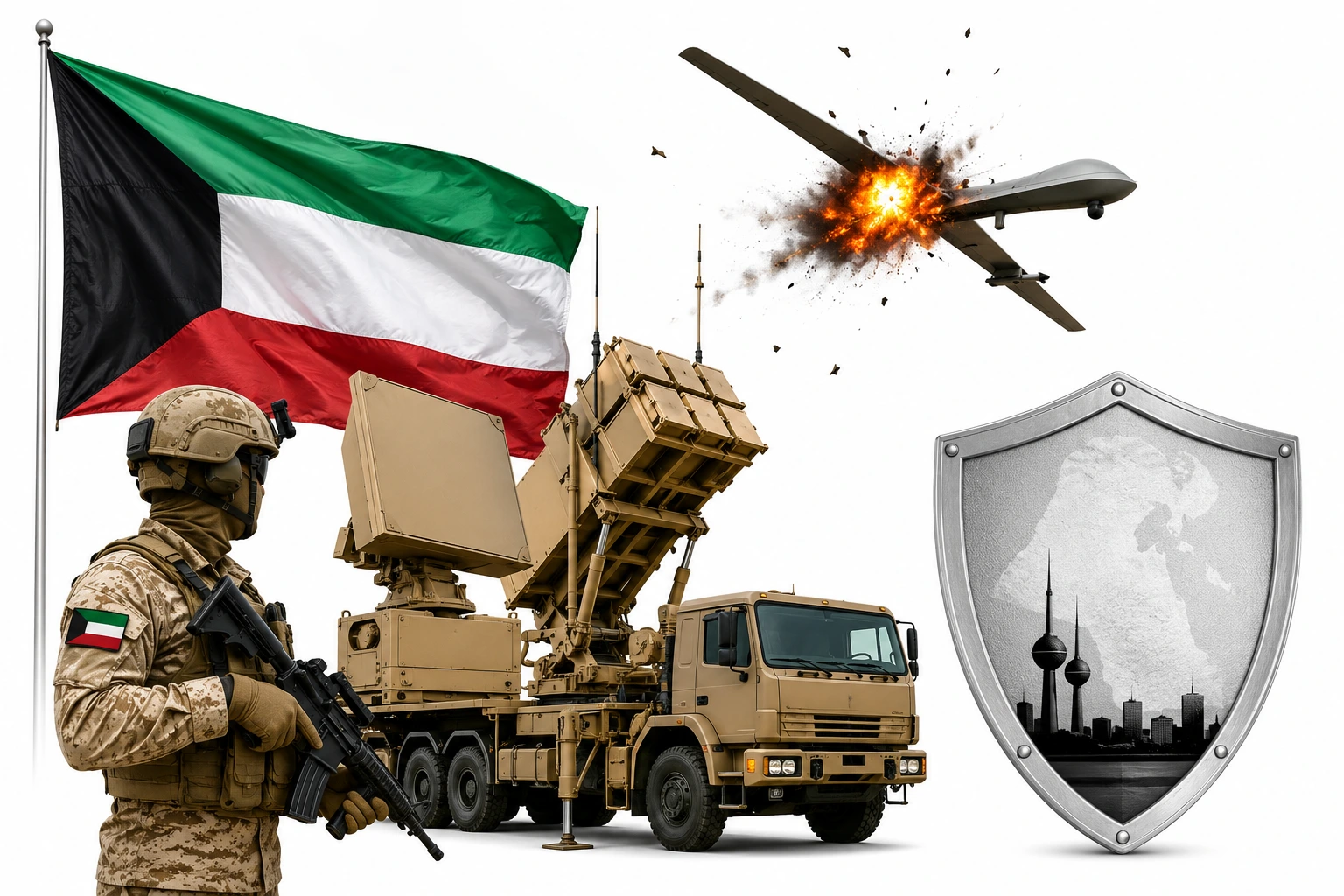
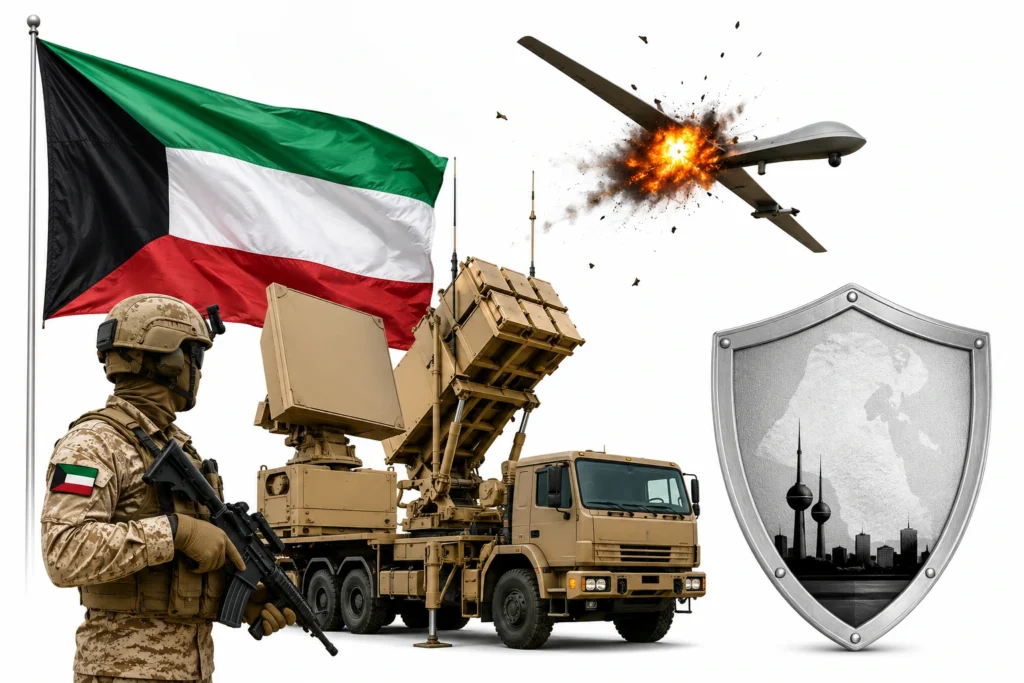
The latest announcement from the General Staff of the Kuwaiti Armed Forces that the country’s air defense systems intercepted hostile drones has once again highlighted the fragile security environment facing the Gulf region. According to the military, the sounds of explosions heard across parts of Kuwait were the result of successful interceptions carried out by the nation’s air defense units in response to what officials described as ongoing Iranian aggression.
If confirmed, any hostile drone activity directed toward Kuwait represents a deeply alarming development. Kuwait has long pursued a balanced foreign policy, emphasizing diplomacy, regional dialogue and peaceful coexistence. Any action that threatens its sovereignty or endangers the lives of its citizens and residents is unacceptable and risks undermining stability across the Gulf.
The use of drones and other forms of cross-border military pressure has become an increasingly dangerous feature of modern conflicts. Such actions create uncertainty, heighten tensions and place innocent civilians at unnecessary risk. Regardless of political disagreements or regional rivalries, internationally recognized borders and national sovereignty must be respected. Attempts to intimidate neighboring states through military means only deepen mistrust and increase the possibility of wider confrontation.
Kuwait’s armed forces deserve recognition for their swift response in protecting the country’s airspace. Their preparedness and professionalism demonstrate the importance of maintaining robust defensive capabilities in an increasingly unpredictable security environment. Equally important was the appeal for the public to remain calm and follow official safety instructions, helping to prevent panic during a potentially dangerous situation.
The international community also has an important role to play. Regional security cannot be preserved through threats, proxy conflicts or escalating military actions. Constructive dialogue, adherence to international law and respect for the sovereignty of all nations remain the only sustainable path toward lasting peace in the Gulf.
At the same time, allegations involving cross-border attacks should continue to be examined carefully, with facts established through credible official reporting and evidence. In periods of heightened tension, accurate information is essential to avoid misinformation and unnecessary escalation. The Gulf has already witnessed the devastating consequences of instability over the past several decades. Its people deserve security, prosperity and the confidence that their countries will not become battlegrounds for regional power struggles.
As Kuwait remains vigilant, its priority is clear: protecting its citizens, safeguarding its sovereignty and preserving national security. The hope across the region is that restraint, diplomacy and respect for international norms will prevail over confrontation, ensuring that future generations inherit a Gulf defined by peace and cooperation rather than recurring cycles of conflict.