



ARABIAN TIMES NEWS NETWORK
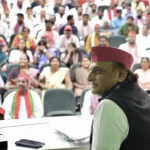
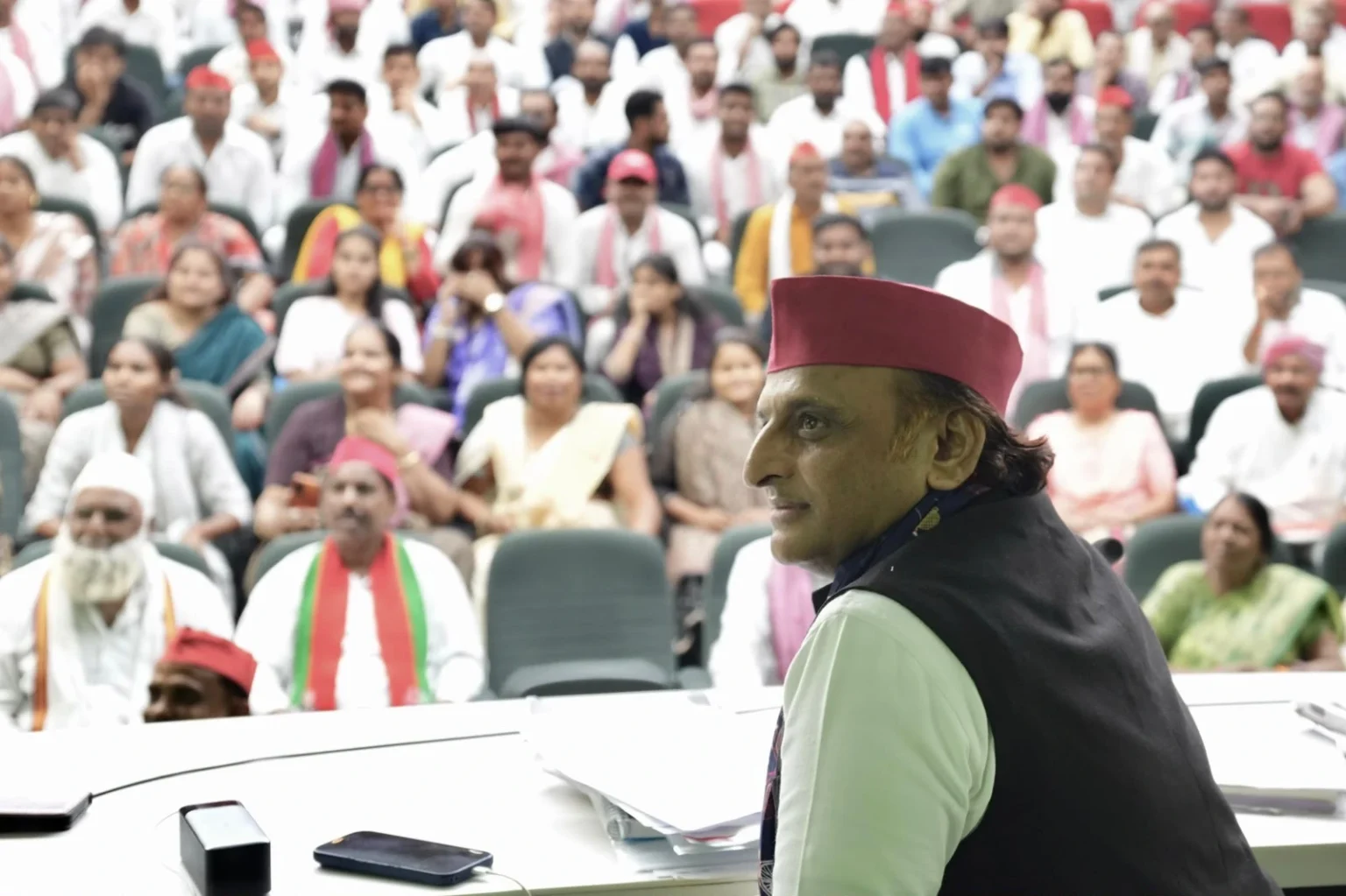
Samajwadi Party national president and former Uttar Pradesh Chief Minister Akhilesh Yadav has stepped up his criticism of the BJP government, accusing it of ignoring issues affecting ordinary people while using central agencies selectively. Taking aim at the government’s approach to education, Yadav said the BJP was “anti-education, anti-teacher and anti-student.” He questioned why people involved in building universities were facing Enforcement Directorate (ED) raids, while, according to him, those accused of serious corruption and criminal activities were not facing similar action.
Yadav alleged that the government was using such action to satisfy a small section of its supporters who continue to hold what he described as communal and narrow-minded views. He also questioned why alleged corruption in several public projects had not resulted in comparable investigations. In a long list of examples, the former chief minister referred to the condition of roads and expressways, falling bridges, damaged water tanks, leaking roofs and other infrastructure problems.
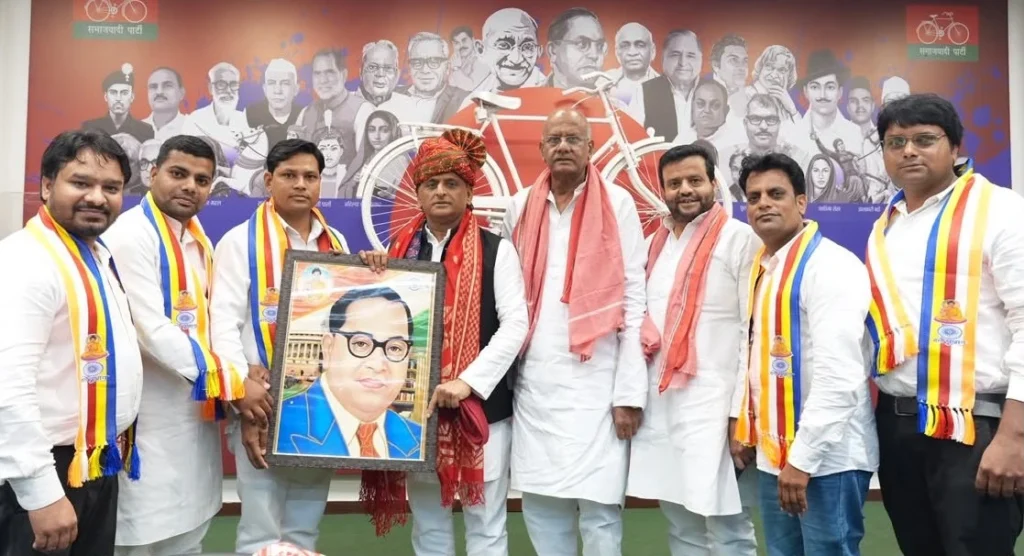
He also raised allegations concerning police corruption, contractors linked to the Mahakumbh, Smart City projects and alleged illegal construction by BJP-linked representatives. Yadav’s broader argument was that accountability should not depend on political connections. He alleged that people accused of wrongdoing were receiving protection because of their proximity to those in power. The Samajwadi Party chief then turned his attention to another issue that directly affects millions of motorists – E20 petrol.
Yadav questioned the conflicting messages surrounding petrol containing up to 20 per cent ethanol. “Who is right,the government or the advisers?” he asked, pointing out that while the government maintains that E20 is safe, concerns have been raised about its suitability and effects on some vehicles. According to Yadav, motorists whose cars and motorcycles are experiencing problems want a straightforward answer rather than conflicting statements.
He also questioned why the government, which frequently conducts surveys, could not directly ask vehicle owners about their experiences with E20. He described E20 as a “double-edged sword”, arguing that consumers could end up paying more not only for fuel but also for vehicle maintenance. Yadav claimed that many motorists have complained about reduced mileage and higher maintenance costs after the introduction of ethanol-blended petrol.
He accused the BJP government of being responsible for these problems and alleged that the government was putting pressure on fuel outlets to sell E20 petrol. The remarks add another dimension to the political debate over ethanol blending in India. While the government promotes ethanol as part of its energy and fuel strategy, questions over vehicle compatibility, mileage, maintenance and consumer costs remain important issues for motorists.



