




By Zahid Akhtar
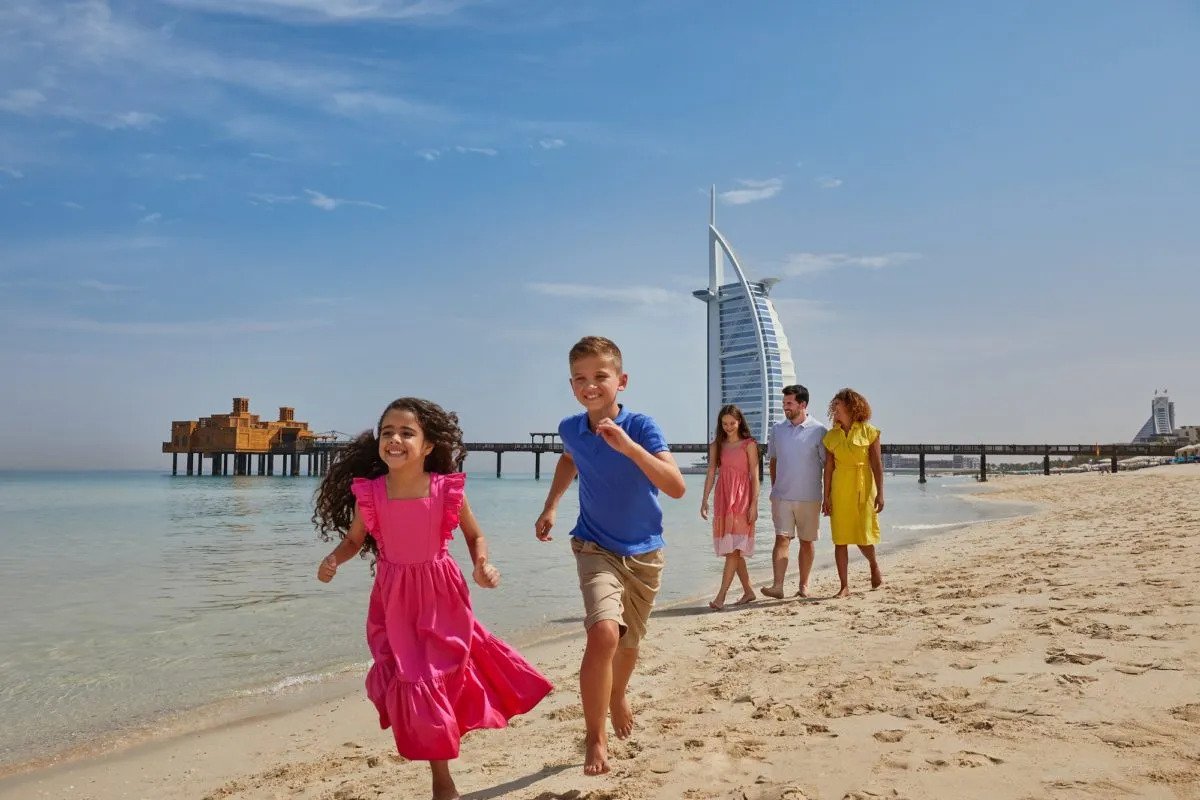
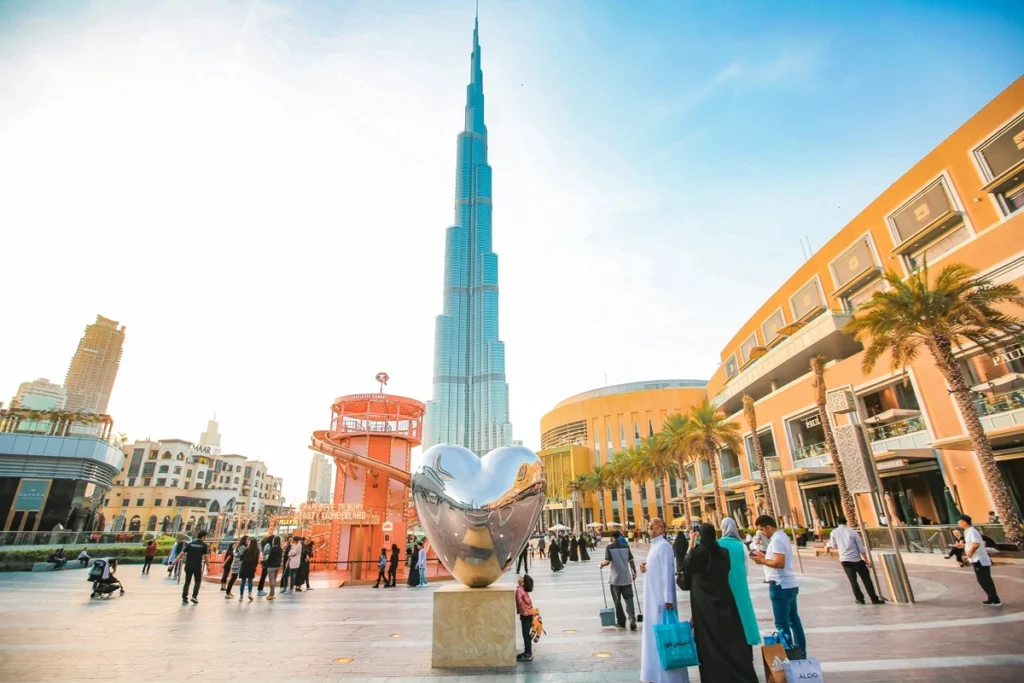
In 2025, Dubai stood at the pinnacle of global tourism success. The emirate welcomed a record 19.59 million international overnight visitors, marking a 5% increase from the previous year and the third consecutive year of record-breaking growth. Hotel occupancy averaged 80.7%, with revenue per available room rising significantly. Iconic attractions like the Burj Khalifa, Palm Jumeirah, Dubai Mall, and the world’s busiest international airport, DXB, buzzed with millions of leisure and business travelers, exposed in a video https://www.youtube.com/watch?v=r31btPz9iqg.
The city’s ambitious Dubai Economic Agenda (D33) aimed to position it among the world’s top three tourism destinations, fueled by luxury hospitality, major events, and seamless connectivity. Yet, by early 2026, the glittering narrative unraveled dramatically. Following the escalation of the US-Israel war with Iran on February 28, 2026, Dubai’s tourism sector faced an unprecedented crisis. Within the first week alone, over 80,000 hotel bookings were canceled. Tens of thousands of flights were disrupted or grounded, turning DXB from a vibrant gateway into a chaotic evacuation hub.
Passenger traffic in March reportedly plummeted by as much as 66%, while hotel occupancy rates across the city collapsed from highs near 80% to as low as 10-20% in many properties, with some projections for Q2 dipping even to single digits. The impact has been widespread and brutal. Luxury resorts on Palm Jumeirah and Jumeirah Beach stand eerily quiet. High-end restaurants and beach clubs report footfall at just 15-20% of normal levels. Short-term rental platforms, including those on Airbnb and similar services, recorded over 226,500 cancellations in the initial weeks.
Major hotel chains have placed thousands of staff on unpaid leave or reduced hours, while some properties have temporarily closed sections or entire floors to cut costs. Even the bustling souks, desert safaris, and theme parks that once drew families and thrill-seekers now see sparse crowds. This downturn stems directly from the regional conflict. Airspace restrictions, heightened security risks, travel advisories from multiple countries, and widespread fear of escalation have deterred tourists. Many who had booked lavish winter escapes, a peak season for Dubai, opted for safer alternatives in Europe, Southeast Asia, the Maldives, or the Caribbean.
Airlines suspended or rerouted dozens of routes, leading to over 37,000 flight cancellations regionally in the early phase. The closure or partial shutdown of key airspace corridors, including impacts near the Strait of Hormuz, further compounded aviation chaos. Economically, the losses are staggering. The World Travel & Tourism Council (WTTC) estimates the broader Middle East tourism industry is losing around $600 million per day in visitor spending. For Dubai, where tourism and hospitality contribute substantially to its non-oil GDP, the ripple effects extend far beyond hotels.
Retail, dining, transportation, and event sectors are all suffering. Real estate tied to tourism, including holiday homes and investment properties, has also seen a slowdown in demand. Analysts from Moody’s and others describe the situation as an “effective shutdown” of large parts of the hospitality sector. Five-star properties that enjoyed 82% occupancy in January now struggle below 35% in some cases. The crisis has exposed the vulnerability of Dubai’s hyper-ambitious, tourism-dependent growth model to external geopolitical shocks, a risk that was somewhat masked during the post-COVID recovery boom.
However, declaring Dubai’s tourism industry “dead” would be premature. The emirate has proven extraordinarily resilient in the past, bouncing back from the 2008 financial crisis and the COVID-19 pandemic through aggressive diversification, massive infrastructure investments, and innovative marketing. Dubai’s authorities and tourism board are already mobilizing: offering deep discounts, launching targeted campaigns in less-affected markets, and emphasizing the city’s strong security infrastructure and operational continuity.
A packed calendar of events, new attractions like upcoming towers and entertainment districts, and ongoing hotel expansions provide a foundation for recovery. As of mid-2026, with reports of partial ceasefires and cautious optimism emerging, some signs of stabilization are appearing. Transit traffic at DXB remains somewhat resilient, and business travel in certain sectors continues. Experts predict that a sustained de-escalation could trigger a strong rebound, especially given Dubai’s world-class facilities and reputation for luxury.
Yet the recovery may take quarters, not weeks, as traveler confidence rebuilds slowly amid lingering regional uncertainties. This episode serves as a broader lesson for tourism-dependent economies in geopolitically sensitive regions. Dubai’s success story highlights both the rewards of bold vision and the fragility when global stability falters. For local businesses, residents, and expatriates who rely on the sector, the coming months represent a critical test of adaptability and innovation. Dubai stands at a crossroads.
The empty hotels, silent airport terminals, and deserted beaches paint a picture of abrupt disruption. But the city’s history of transformation suggests it may yet author a powerful comeback. Whether this marks the beginning of a prolonged decline or merely a painful, temporary chapter depends on how quickly regional tensions ease and how effectively Dubai repositions itself in a cautious global travel market. For now, the dream of endless glamour navigates turbulent realities, a stark reminder that even the brightest destinations are not immune to the winds of geopolitics.