


ARABIAN TIMES NEWS NETWORK
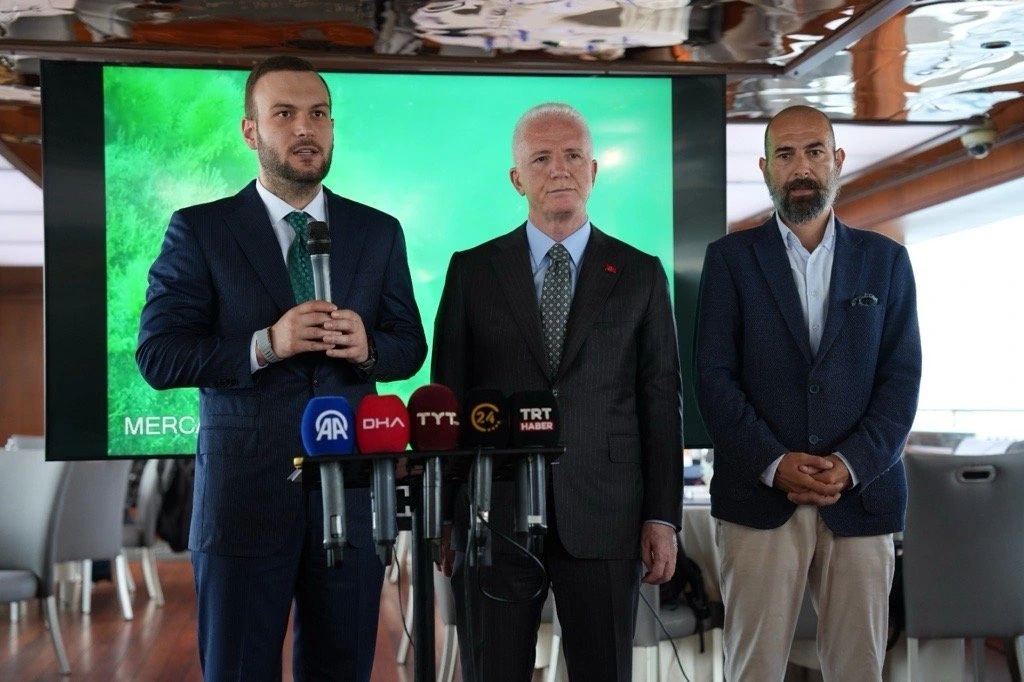
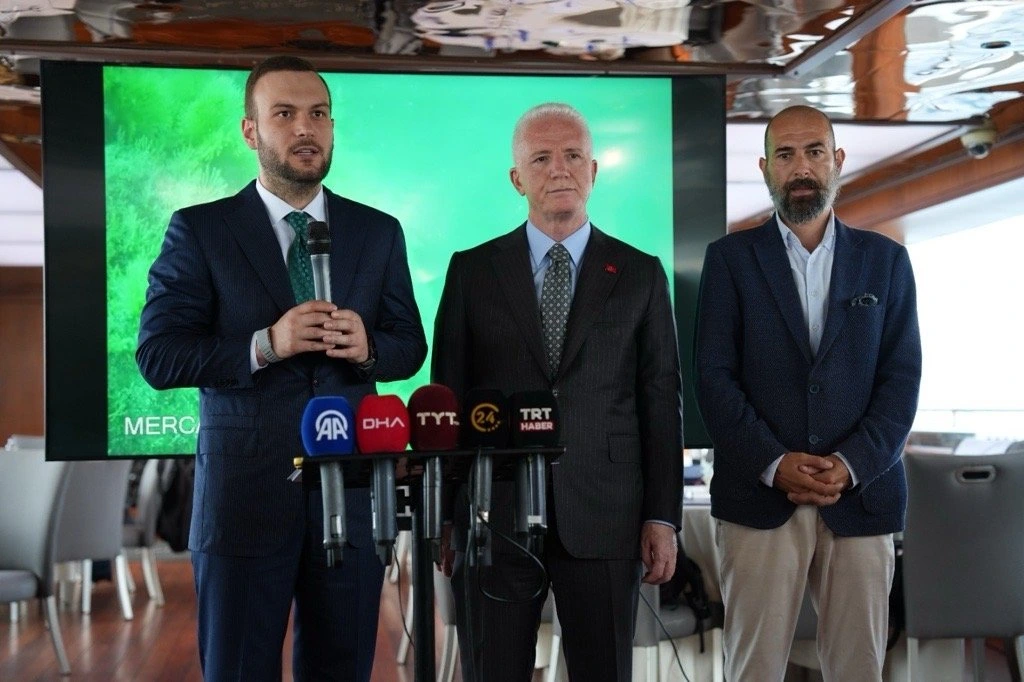
Türkiye is preparing to transform more than a decade of marine restoration work around Istanbul into a nationwide model for protecting and restoring vulnerable ecosystems, linking its Zero Waste vision with science-based conservation ahead of the COP31 climate summit. Istanbul Governor Davut Gül and Zero Waste Foundation President and COP31 High-Level Climate Champion Samed Ağırbaş recently visited Tavşan Island to review marine conservation, ecological restoration and monitoring activities carried out by the Marine Life Conservation Society (DYKD).
The visit focused on the integrated conservation model developed around Tavşan Island and plans to apply similar methods at Üç Adalar, off the Mediterranean province of Antalya. Officials also discussed presenting Türkiye’s practical conservation experience to the international community during the COP31 process. Türkiye’s Zero Waste initiative, launched under the leadership of First Lady Emine Erdoğan, has increasingly expanded beyond waste management to encompass broader environmental sustainability and ecosystem protection.
During the visit, Gül and Ağırbaş, accompanied by DYKD Chair Volkan Narcı, examined scientific research, ecological restoration and technology-assisted monitoring conducted around Tavşan Island. DYKD has worked in the area since 2015, combining scientific research, restoration projects, removal of abandoned “ghost” fishing nets, ranger patrols, citizen science and modern monitoring technologies. The programme also included a purple gorgonian coral (Paramuricea clavata) population reinforcement project launched in 2026.
Gül emphasized that human activity remains a major source of environmental pollution but said ecosystems can recover when harmful pressures are reduced. “When human pressure disappears and pollution stops, nature somehow renews itself,” he said, citing Tavşan Island as an example of ecological recovery. He stressed that stopping pollution, cleaning damaged areas and maintaining long-term environmental management could gradually restore degraded ecosystems. Gül also underlined the importance of cooperation between government institutions and civil society organizations in developing a stronger culture of environmental responsibility.
The Tavşan Island model extends beyond simply declaring an area protected. It combines scientific research, identification of environmental threats, active restoration, legal protection, community participation, continuous monitoring and long-term management. An area of approximately 7.76 square kilometres surrounding Tavşan Island was designated a “Strictly Protected Sensitive Area” in 2021. Conservation activities, however, have continued since the designation.
More than 700 gorgonian coral colonies have been transplanted or restored around Tavşan Island and nearby Sivriada. Long-term monitoring of yellow gorgonians has recorded a survival rate of about 80%. The project has also removed more than 650,000 square metres of abandoned fishing nets and over three tonnes of lead from the seabed. Some recovered materials have been recycled into agricultural coverings, bags and other raw materials.
The experience gained at Tavşan Island will now guide conservation efforts around Üç Adalar, Tekirova and Çıralı in Antalya’s Kemer district. Planned activities include ecosystem inventories, habitat mapping, biodiversity monitoring and assessments of human pressures. Public institutions, local authorities, universities, fishermen, diving centres, tourism businesses and local communities are expected to participate. Türkiye hopes the initiative will create a measurable and replicable model for marine conservation while advancing biodiversity protection, climate adaptation and nature-based solutions ahead of COP31.