





BY MOHAMMAD TARIQUE SALEEM
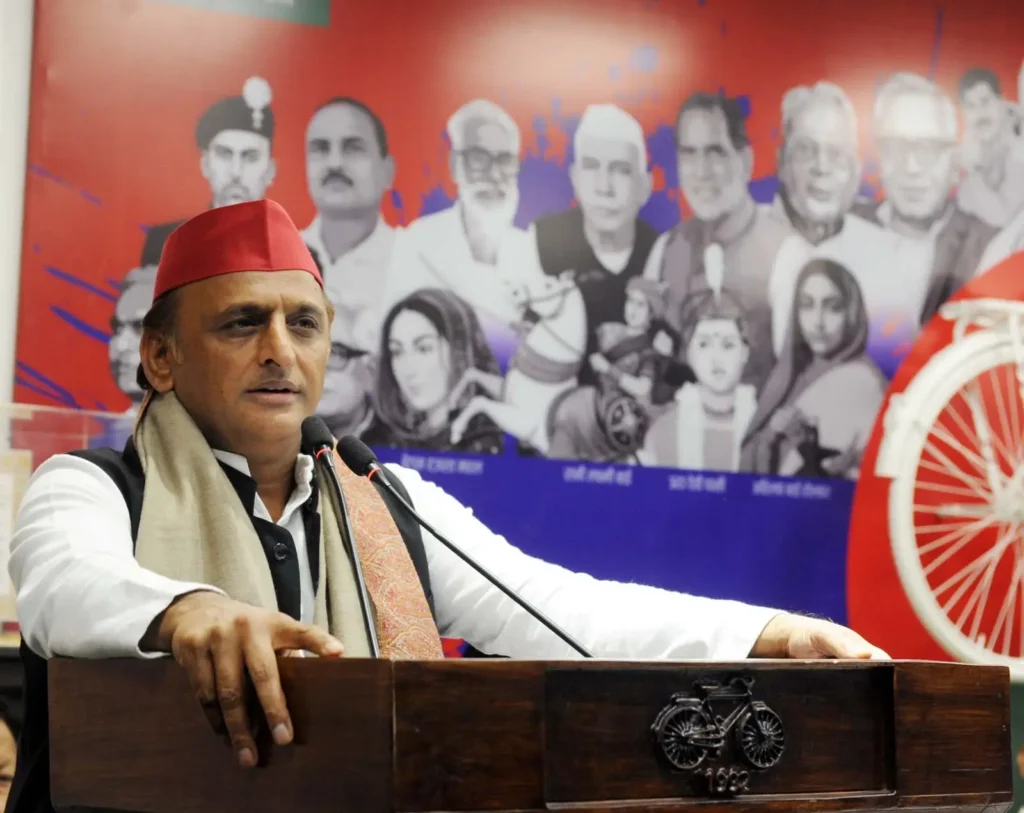
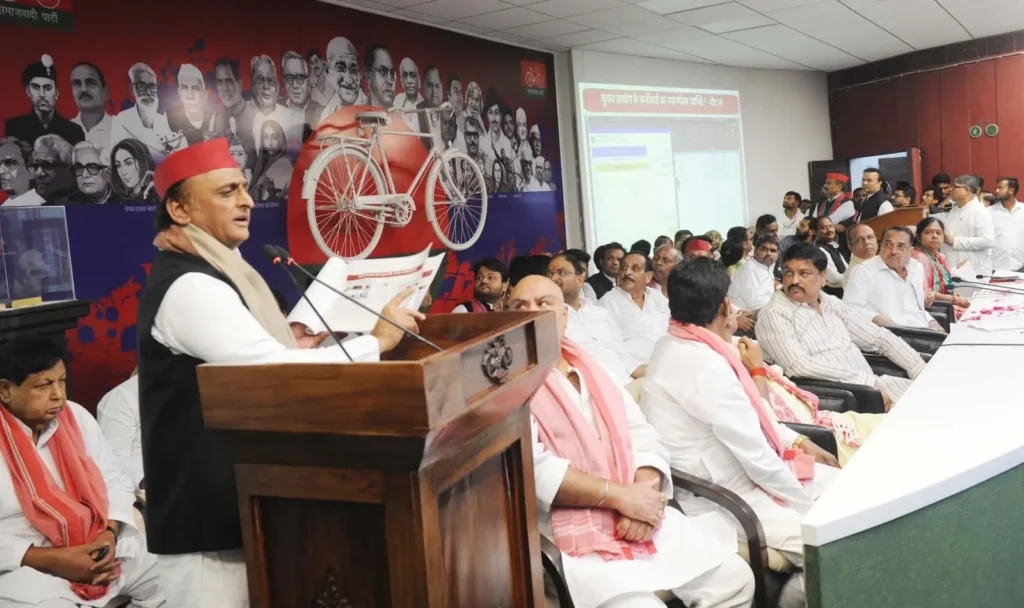
Yesterday former Chief Minister, Akhilesh Yadav presented a detailed set of allegations at the Samajwadi Party state headquarters in Lucknow that place the Election Commission and the Bharatiya Janata Party at the centre of a systematic effort to distort the electoral process. He asserted that the Commission operates under political direction and that large scale manipulation of voter lists is underway to manufacture victories where genuine public support is absent.
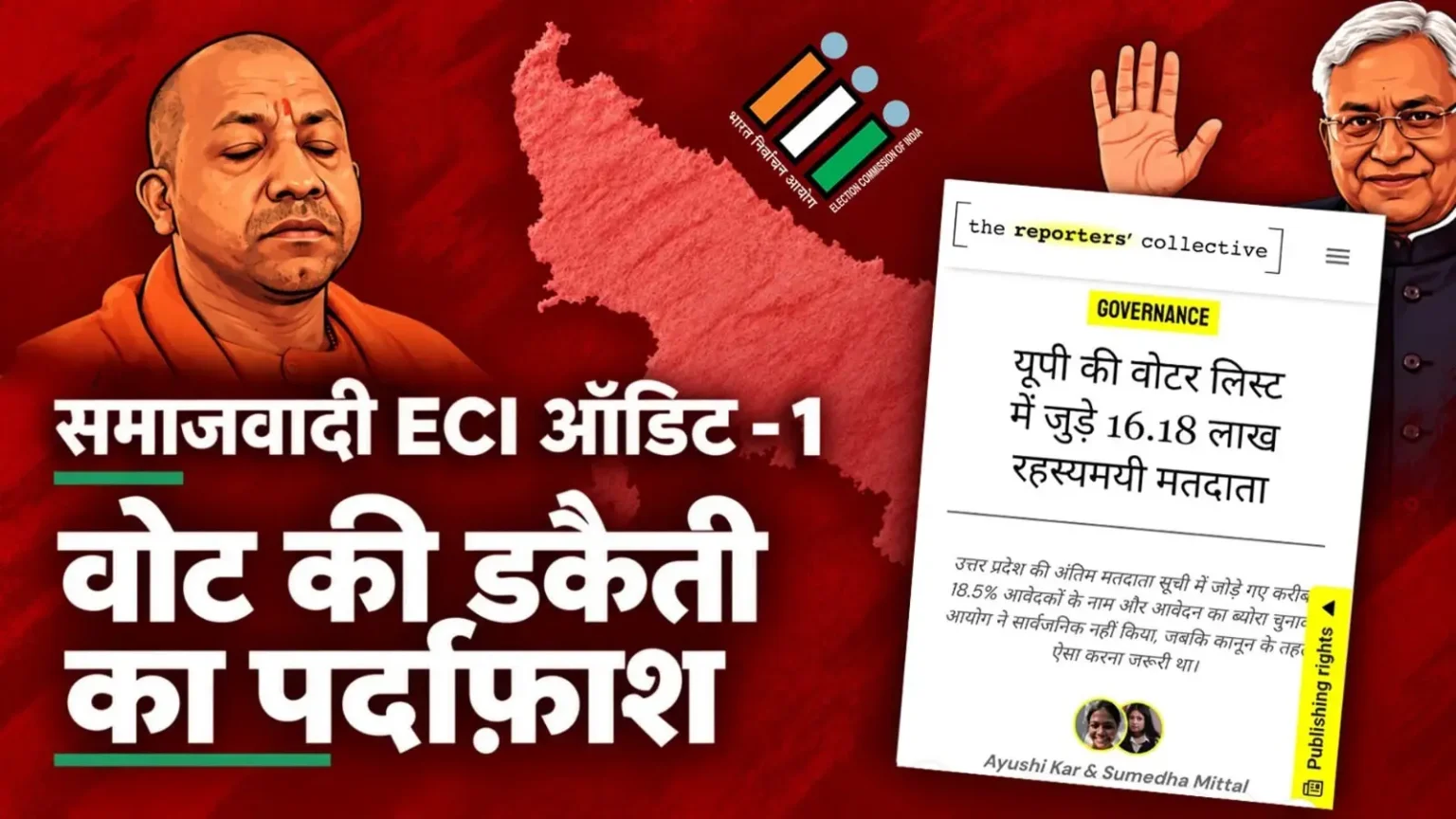
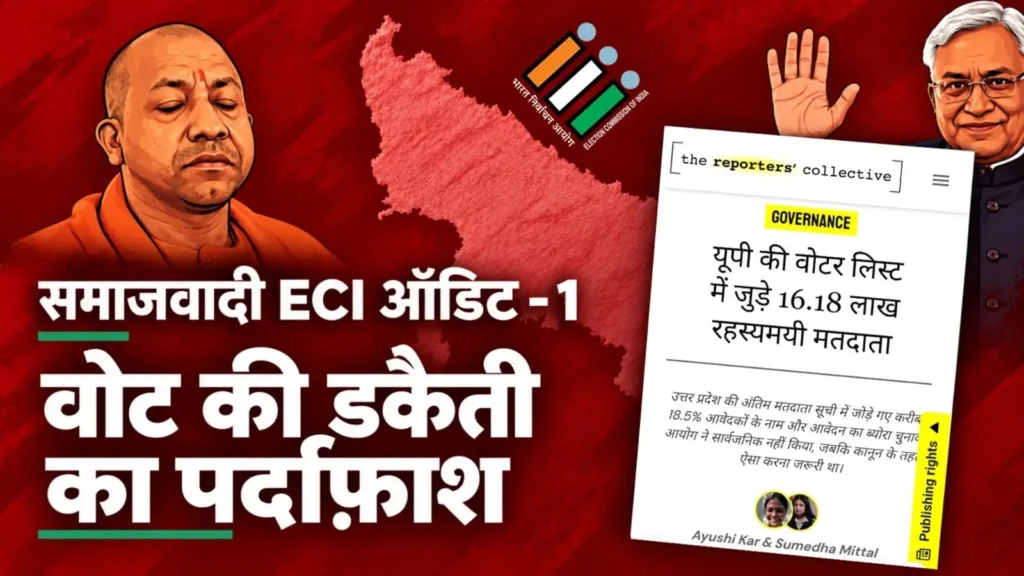
According to the party leader the Commission has become a shield that the ruling party deploys whenever its electoral position weakens. The core of the charge rests on the discovery of nearly twenty lakh allegedly fictitious entries. Party workers identified as PDA praharis examined Form 6 applications submitted during the special intensive revision and found that the Commission released data for only seventy one lakh of the eighty seven lakh forms while withholding sixteen lakh entries that share identical names ages and relative details.
An additional three lakh suspect names surfaced through ground verification bringing the cumulative total to over nineteen lakh. Specific assembly segments such as Loni Sahibabad Mahroni Dadri and others recorded more than ten thousand questionable names each. In one Azamgarh instance a single individual reportedly appears ten times. These figures form the empirical backbone of the Samajwadi Party claim that the rolls are being engineered rather than merely updated.
Yadav further outlined what he described as a ten point repertoire of electoral practices employed by the BJP. The list ranges from insertion of dummy voters and deletion of genuine opposition supporters to distribution of inducements intimidation on polling day manipulation of electronic voting machines irregular counting procedures and the post poll fracturing of rival camps. He argued that such methods amount to the murder of democracy and a rejection of constitutional norms. The release of a booklet titled Samajwadi ECI Audit 1 was presented as documentary evidence of these practices.
The timing of the intervention is significant. The Commission has announced a fresh voter list revision after declaring the earlier special intensive revision complete. Yadav urged every party functionary legislator and office bearer to remain present at booths on the seventeenth and twenty fourth of October to ensure that legitimate names are added while fictitious ones are blocked. He warned that individuals who already possess entries in one location may attempt to secure duplicate registration elsewhere.
Beyond the technical critique Yadav issued a direct demand for the resignation of Chief Election Commissioner Gyanesh Kumar citing a complete loss of public trust. He also proposed the permanent linkage of Aadhaar data with electoral rolls as a structural remedy that would eliminate duplicate and phantom entries at source. The political forecast accompanying these demands was uncompromising: where defeat appears certain the scale of alleged malpractice will intensify yet public anger has already rendered earlier numerical targets of four hundred seats unattainable.
Taken together the statement constitutes both an organisational mobilisation order and a frontal challenge to the neutrality of the electoral machinery. Whether the numerical claims withstand independent scrutiny remains to be tested through formal complaints and verification exercises. What is already clear is that the Samajwadi Party has chosen to frame the forthcoming revision of rolls as a decisive battleground over the integrity of the democratic process itself. The coming weeks will reveal whether the documented discrepancies translate into sustained institutional pressure or remain confined to partisan rhetoric.