




BY MOHAMMAD TARIQUE SALEEM
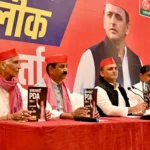
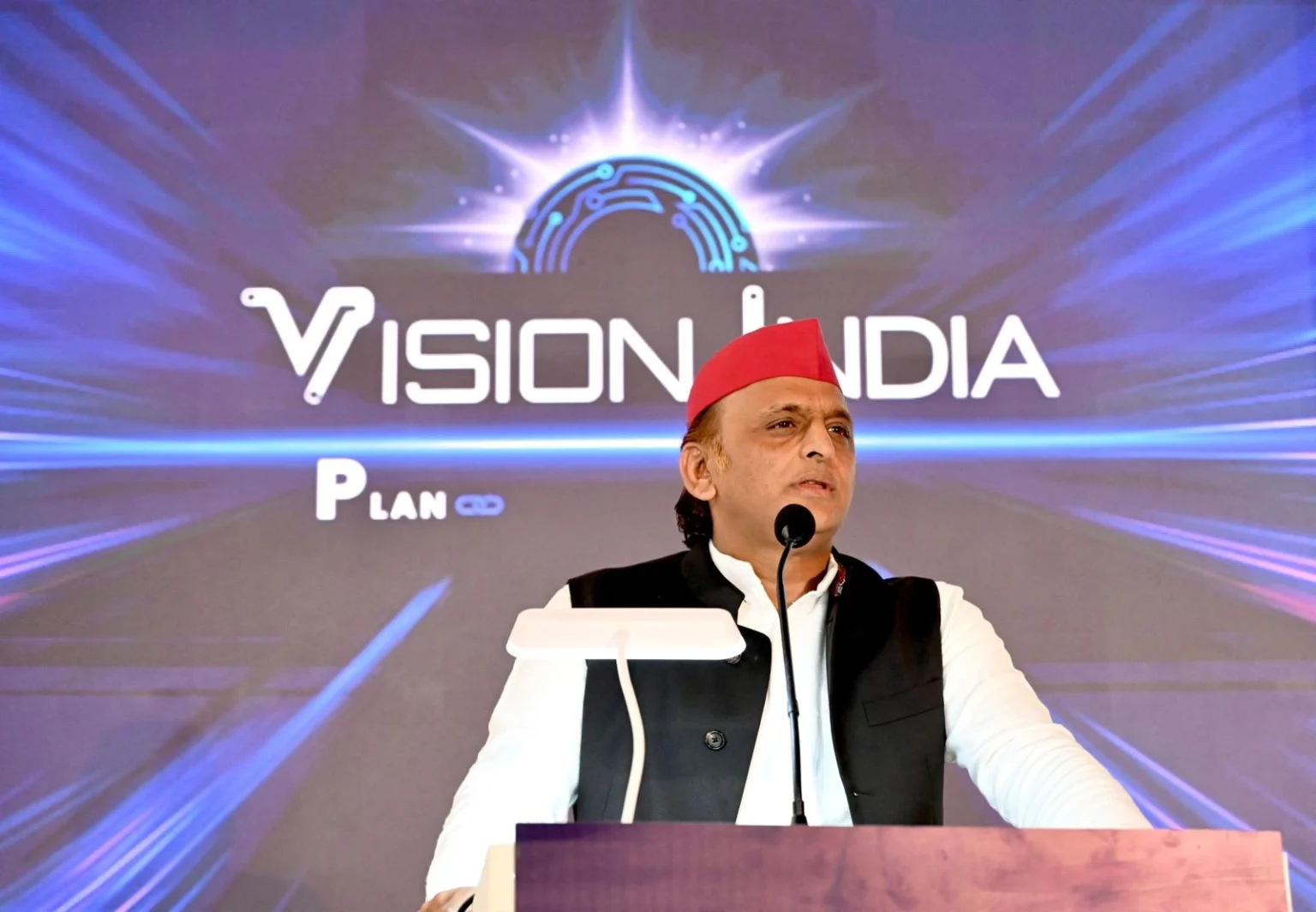
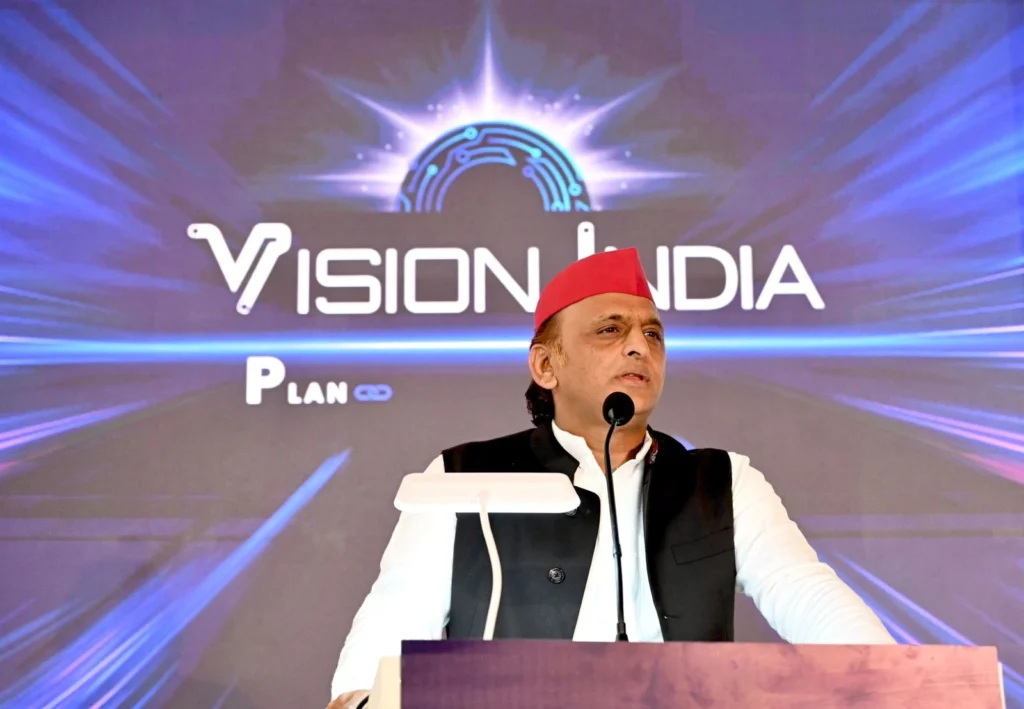
Education has long been celebrated as the foundation of India’s democratic and economic aspirations. Yet, when examination systems collapse, recruitment becomes mired in controversy, and young people begin to lose faith in merit, the consequences extend far beyond classrooms. At a recent Vision India programme in Prayagraj, Samajwadi Party President and former Uttar Pradesh Chief Minister Akhilesh Yadav delivered a blistering critique of the country’s education and recruitment systems, portraying them as victims of political neglect, corruption, and administrative failure. His speech was unmistakably political, but it also reflected concerns that resonate with millions of students across India.
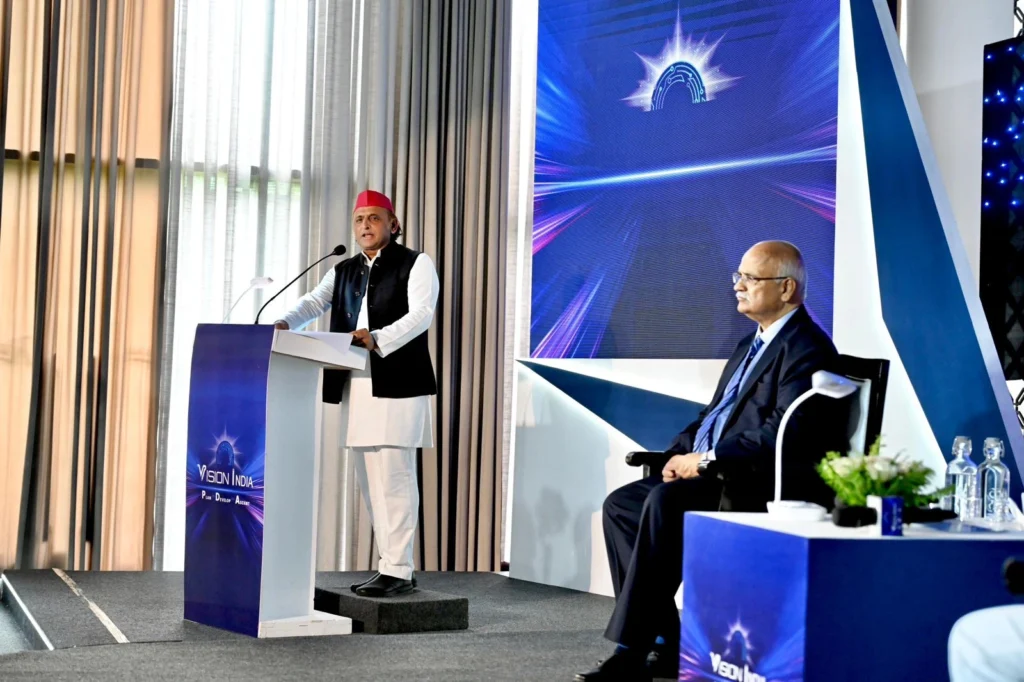
Yadav argued that India’s demographic dividend, once projected as its greatest strength, is rapidly turning into a demographic liability. Every cancelled examination, every paper leak, and every delayed recruitment not only wastes years of preparation but also erodes public confidence in the principle that hard work leads to opportunity. For countless aspirants, competitive examinations are more than tests; they are gateways to financial security and social mobility. When those gateways repeatedly collapse, frustration inevitably replaces hope.
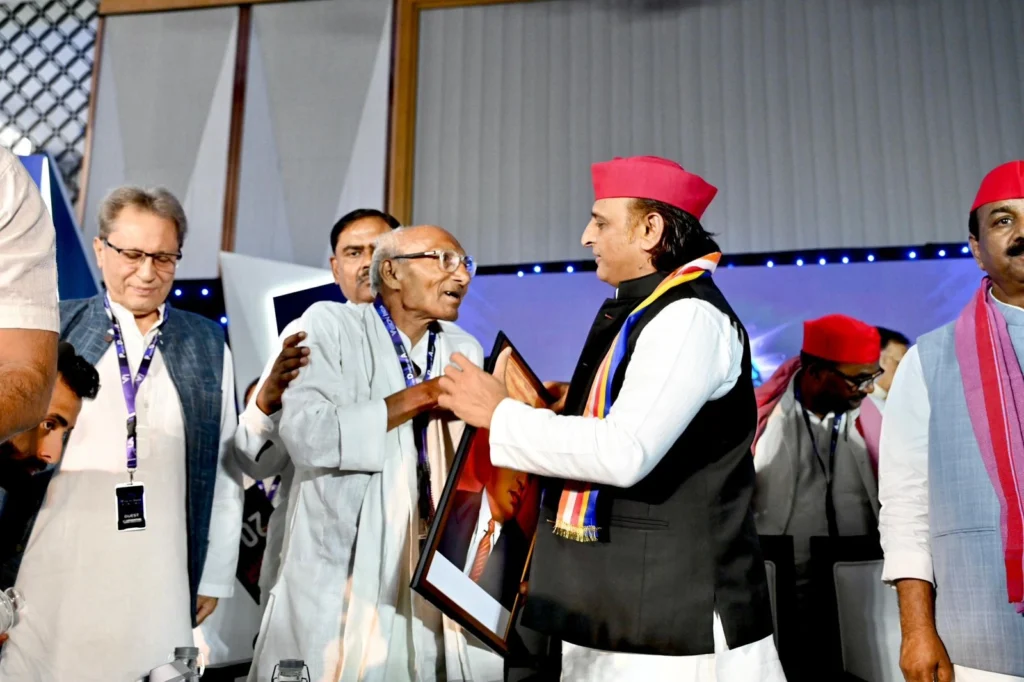
Perhaps the strongest aspect of Yadav’s address was his emphasis on the psychological toll of this broken system. Aspirants invest years of relentless preparation, often supported by families making enormous financial sacrifices. Repeated paper leaks, cancelled examinations, prolonged court battles, and indefinite recruitment delays leave many trapped in uncertainty. Reports of students suffering from anxiety, depression, and even taking their own lives underline the human cost of institutional failure. An education system should inspire confidence, not despair.
The former Chief Minister also highlighted structural problems extending beyond examinations. School mergers, the shortage of teachers, inadequate infrastructure, vacant faculty positions in universities, delayed scholarships, and rising educational costs collectively weaken public education. His concern regarding rural education deserves particular attention. When primary schools are closed in the name of administrative efficiency, young children, especially girls, often face longer travel distances, safety concerns, and inadequate sanitation facilities. For many families, these barriers become reasons to discontinue a daughter’s education altogether.
Yadav further accused the BJP government of deliberately weakening permanent public employment while promoting contractual recruitment, alleging that such policies dilute reservation benefits and undermine job security. These are serious political allegations that require evidence and fair public scrutiny. Nevertheless, the broader issue he raises, the shrinking availability of stable government jobs amid growing youth unemployment, remains a pressing concern that policymakers cannot dismiss. Equally significant was his criticism of the persistent vacancies in higher education institutions.
Universities functioning with guest faculty instead of permanent professors affect teaching quality, research output, and academic continuity. India’s ambition to become a global knowledge economy cannot be fulfilled if investment in education, research, and innovation remains inadequate. Yadav’s repeated accusation that corruption has infiltrated every stage of examinations, from question paper printing to evaluation and recruitment, captures a growing public perception. While governments have introduced stricter laws and digital safeguards against paper leaks, repeated incidents across states continue to expose systemic vulnerabilities.
Each scandal diminishes the credibility of institutions entrusted with ensuring fairness. Naturally, the speech reflected the perspective of an opposition leader seeking to hold the ruling government accountable. Political rhetoric often amplifies failures while overlooking improvements or reforms undertaken by the government. Yet dismissing these concerns solely as partisan criticism would be a mistake. Across party lines, there is broad recognition that India’s examination and recruitment systems require greater transparency, accountability, and technological resilience.
Ultimately, the debate is larger than the BJP or the Samajwadi Party. India’s future depends not merely on producing more graduates but on ensuring that education remains accessible, examinations remain credible, and recruitment remains merit-based. A nation aspiring to become a global economic powerhouse cannot afford a generation that loses faith in its institutions. If education is indeed the foundation of national progress, then protecting its integrity is not simply an administrative responsibility, it is a constitutional and moral imperative.