





ARABIAN TIMES NEWS NETWORK
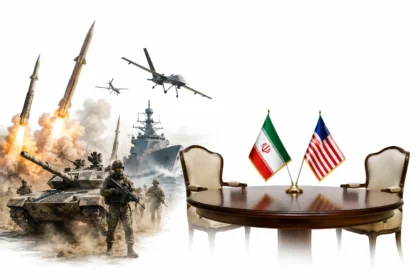
President Donald Trump’s decision to impose a naval blockade on Iranian ports marks a dramatic escalation in the ongoing confrontation with Tehran. Announced in the wake of failed peace talks in Islamabad, the operation, initiated at 10:00 a.m. ET on April 13, 2026, targets all maritime traffic entering or exiting Iranian ports along the Persian Gulf and Gulf of Oman. Trump has warned that any vessels attempting to breach the blockade, particularly Iranian fast-attack craft, would be “immediately eliminated.”
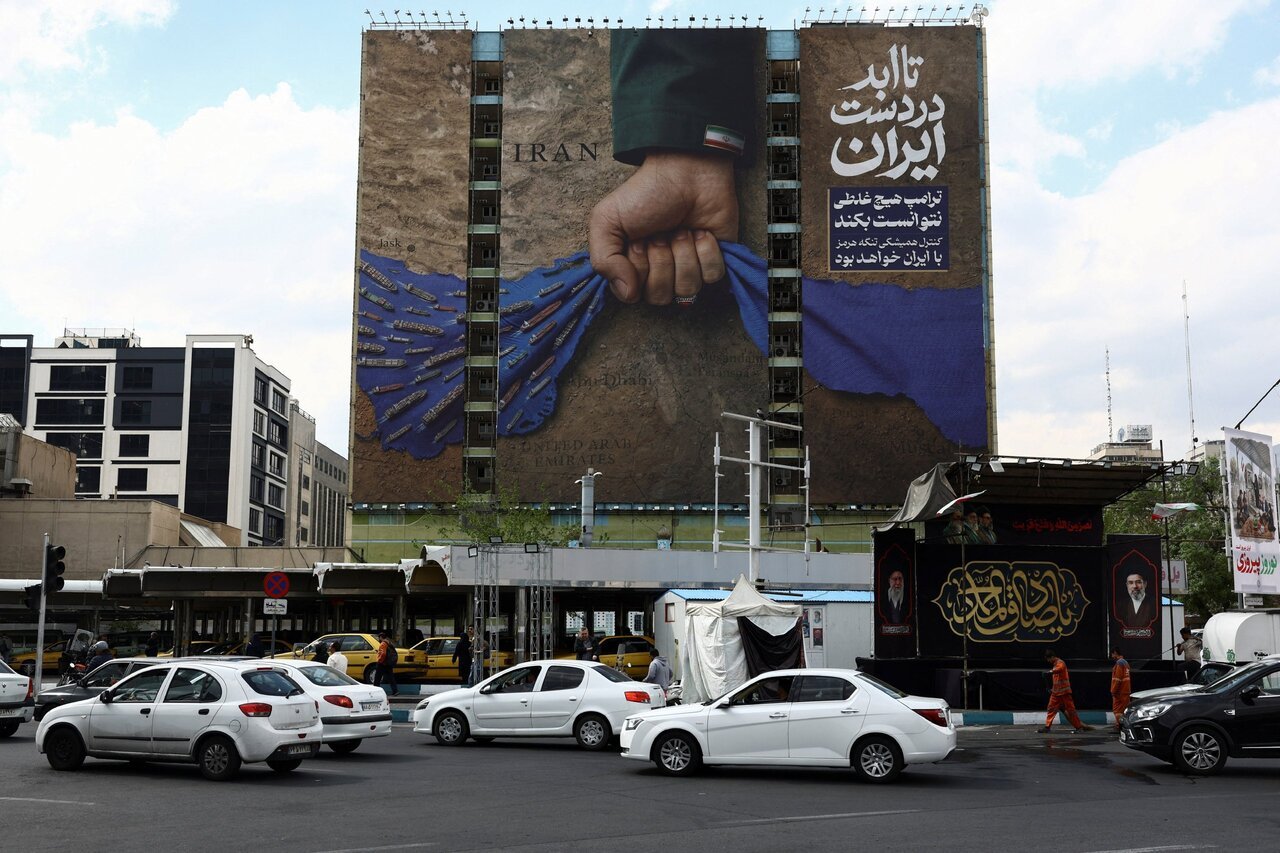
This move follows a fragile two-week ceasefire brokered by Pakistan on April 8, which paused the US-Israeli military campaign against Iran that erupted on February 28. The context is one of repeated setbacks for Washington. During the 40-day conflict, Iran seized effective control over the Strait of Hormuz, a chokepoint through which roughly 20 percent of global oil and LNG supplies once flowed. Shipping traffic plummeted, driving energy prices sharply higher and exposing the vulnerability of global markets.
Iran allowed limited transit during the ceasefire, easing some panic, but refused broader concessions. Weekend negotiations in Islamabad between US and Iranian delegations collapsed without agreement, leaving both sides locked in a standoff. Iran has responded with defiance. Ambassador Amir Saeid Iravani condemned the blockade at the United Nations as a “gross violation of sovereignty and territorial integrity,” labeling it an illegal act of aggression. President Masoud Pezeshkian warned French President Emmanuel Macron that threats to the Strait of Hormuz would carry “large-scale consequences” for global trade.
Foreign Ministry spokesman Esmaeil Baghaei questioned whether Washington could win a “war of choice” through economic revenge that harms the world economy. Parliament Speaker Mohammad Baqer Qalibaf, who participated in the Islamabad talks, stated bluntly: “If they fight, we will fight; if they come with logic, we will deal with logic.” Iran’s military has declared that enemy-affiliated vessels will not transit the strait, while the IRGC has vowed a firm response to any ceasefire violations. International reactions have been swift and largely critical.
China expressed opposition, arguing that expanded military deployments would only intensify tensions. Russia warned of unpredictable consequences for global stability from interfering with freedom of navigation. European sources voiced unease over risks to energy security. Energy analysts predict surging insurance premiums, fragmented tanker markets, and higher costs passed on to consumers worldwide. The blockade appears born from frustration. The initial military campaign failed to force Iranian capitulation or significantly alter Tehran’s regional posture.
Diplomatic efforts in Pakistan yielded no breakthrough. Unable to achieve decisive results on the battlefield or at the negotiating table, the US has turned to maritime and economic pressure. In the first 24 hours, US forces reportedly turned back six vessels, with over 100 aircraft and more than a dozen warships involved in enforcement. Traffic to Iranian ports has slowed dramatically, though some non-Iranian transits continue. Critics argue this is a risky gamble. By weaponizing a waterway vital to one-fifth of global energy supplies, Washington risks undermining the ceasefire, provoking asymmetric Iranian responses across the region, and accelerating backlash from major powers.
Rising fuel prices and market volatility could burden American consumers and allies. Rather than isolating Iran, the strategy may push energy-dependent nations toward alternative arrangements outside US-dominated systems. In the ashes of military and diplomatic shortfalls, Trump’s blockade reflects strategic desperation more than strength. Whether it compels Tehran to reopen the strait on US terms or instead deepens divisions and economic pain remains uncertain. For now, it symbolizes a high-stakes confrontation where the global economy hangs in the balance, and the path to de-escalation appears narrower than ever.